THE ADVENTURE COLLECTIVE® · Independent discovery and booking for outdoor travel

Walk the Sugar Cane Route along Levada Nova from Tabua to Ponta do Sol, where low, steady trails pass plantation terraces and laurisilva fragments with coastal views. This easy 3–4 hour levada walk blends agricultural history, volcanic scenery, and accessible infrastructure—perfect for hikers looking for scenery without steep climbs.
Walk the Sugar Cane Route along Levada Nova from Tabua to Ponta do Sol, where low, steady trails pass plantation terraces and laurisilva fragments with coastal views. This easy 3–4 hour levada walk blends agricultural history, volcanic scenery, and accessible infrastructure—perfect for hikers looking for scenery without steep climbs.
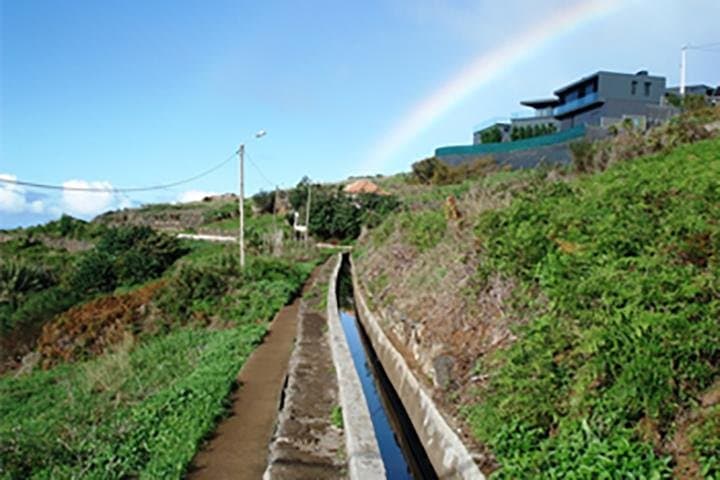
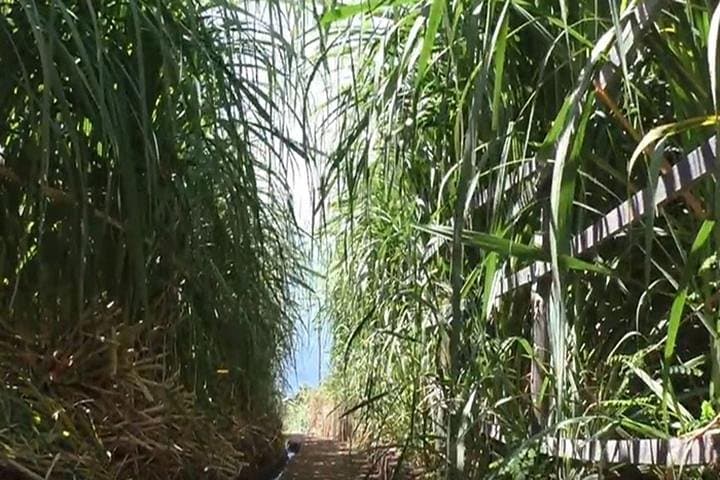
The path peels away from a small village road into rows of sugar cane that lean toward the Atlantic, the sea wind tugging at tall green stalks as the levada hums beside you.
Verified experiences and guided adventures in the surrounding area.
Operated by Madeira Island Tours · Ponta do Sol, Madeira
The path peels away from a small village road into rows of sugar cane that lean toward the Atlantic, the sea wind tugging at tall green stalks as the levada hums beside you.
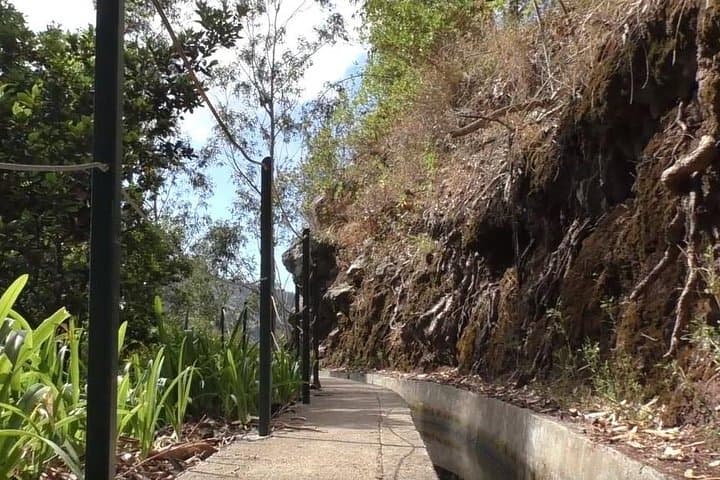
This stretch of Levada Nova threads terraces and farmland between Tabua and Ponta do Sol, offering steady, low-gradient walking with sweeping views over Ribeira Brava’s valley and the island’s western coast. Volcanic cliffs drop to the sea; the trail sits on an engineered contour, a human-made river that carries water and quietly insists you keep pace.
Sugar cane shaped Madeira’s economy from the 15th century onward, and the levadas—built to move mountain water to fields—are both irrigation and transport artifacts. Geologically the island is young volcanic rock, eroded into deep ravines; the levada exploits those contours, carving a safe route through laurisilva forest pockets and cultivated plots.
Locals still tend small plots; you’ll pass stone walls, irrigation outlets and the occasional traditional finca. The laurel forest here is a remnant of a larger UNESCO-protected ecosystem—listen for the call of endemic birds and the whisper of leaves that seem to keep their own time.
Practical guidance: expect roughly 8 km (5 miles) of walking over about 3–4 hours with minimal elevation gain and mostly well-maintained dirt and stone paths. Wear supportive footwear, bring 1–2 liters of water, sun protection, and a light rain layer. Paths can be narrow near edges; those with severe vertigo should take care. Hotel pickup and an English-speaking guide are typically included, making this an accessible introduction to Madeira’s levada culture.
easy.
3–4 hours.
Suitable for most fitness levels; you should be comfortable standing and walking for several hours on gentle, uneven terrain.
The route typically takes 3–4 hours and is classified as easy—mostly flat with minimal elevation gain, suitable for most walkers.
Yes, most departures include hotel pickup and drop-off, usually in an air-conditioned vehicle as part of the tour package.
Public facilities are limited; plan ahead—use facilities in towns before starting and bring hand sanitizer and tissues.
Spring through early autumn offers milder weather and flowering fields; mornings are cooler and clearer for views.
Sugar cane cultivation and levada construction were central to Madeira’s economy from the 15th century; levadas redistributed scarce mountain water to coastal farms and shaped settlement patterns.
The levada runs near fragments of laurisilva, a UNESCO-protected forest; stay on trails, avoid disturbing crops and wildlife, and carry out any trash to minimize erosion and habitat impact.
Madeira Island Tours operates guided outdoor trips and adventures with an emphasis on safety, stewardship, and memorable experiences.
The path peels away from a small village road into rows of sugar cane that lean toward the Atlantic, the sea wind tugging at tall green stalks as the levada hums beside you.
The path peels away from a small village road into rows of sugar cane that lean toward the Atlantic, the sea wind tugging at tall green stalks as the levada hums beside you.
This stretch of Levada Nova threads terraces and farmland between Tabua and Ponta do Sol, offering steady, low-gradient walking with sweeping views over Ribeira Brava’s valley and the island’s western coast. Volcanic cliffs drop to the sea; the trail sits on an engineered contour, a human-made river that carries water and quietly insists you keep pace.
Sugar cane shaped Madeira’s economy from the 15th century onward, and the levadas—built to move mountain water to fields—are both irrigation and transport artifacts. Geologically the island is young volcanic rock, eroded into deep ravines; the levada exploits those contours, carving a safe route through laurisilva forest pockets and cultivated plots.
Locals still tend small plots; you’ll pass stone walls, irrigation outlets and the occasional traditional finca. The laurel forest here is a remnant of a larger UNESCO-protected ecosystem—listen for the call of endemic birds and the whisper of leaves that seem to keep their own time.
Practical guidance: expect roughly 8 km (5 miles) of walking over about 3–4 hours with minimal elevation gain and mostly well-maintained dirt and stone paths. Wear supportive footwear, bring 1–2 liters of water, sun protection, and a light rain layer. Paths can be narrow near edges; those with severe vertigo should take care. Hotel pickup and an English-speaking guide are typically included, making this an accessible introduction to Madeira’s levada culture.