THE ADVENTURE COLLECTIVE® · Independent discovery and booking for outdoor travel

Discover Sugamo’s everyday food culture on a three-hour guided walk that visits five local stops, a sit-down lunch, and dessert. This practical tasting tour places you where Tokyo residents eat—no tourist trappings, just real flavors and neighborhood stories.
Discover Sugamo’s everyday food culture on a three-hour guided walk that visits five local stops, a sit-down lunch, and dessert. This practical tasting tour places you where Tokyo residents eat—no tourist trappings, just real flavors and neighborhood stories.
You step out of Sugamo Station into a stream of commuters and the slower-pace pulse of an older Tokyo neighborhood where steam rises from food stalls and the scent of soy and sugar threads through the air.
Verified experiences and guided adventures in the surrounding area.
Operated by The Washoku Club Culture and Food Tours · Tokyo, Tokyo
You step out of Sugamo Station into a stream of commuters and the slower-pace pulse of an older Tokyo neighborhood where steam rises from food stalls and the scent of soy and sugar threads through the air.
The three-hour guided walk moves along the famous Jizo-dori shopping arcade and side streets, stopping at five local vendors—savory snacks, a sit-down lunch, and a sweet finish with a drink included. Sugamo is known for Togenuki Jizo Kogan-ji, a temple where people come for blessings and ritual rinsing of statues; that cultural center anchors a district shaped by daily commerce rather than tourism.
Geologically flat, Sugamo’s streets are compact and lined with low-rise shops that preserve Showa-era storefronts and community rhythms. The tour reveals how food culture here is practical and seasonal: pickled vegetables, fried skewers, sweet confections, and small bowls that prioritize texture and balance over flash.
Practical guidance: be ready to walk moderate distances on paved streets and stand during tastings; bring small bills and a reusable bag for purchases. If you have dietary restrictions, tell the operator in advance—many vendors can adapt or point to suitable choices.
Timing matters: late-morning tours catch market energy before lunch crowds; weekday walks are quieter. The guide’s local knowledge turns each bite into context—who makes the sauce, why a snack is regional, and where to return after the tour for a full meal.
easy.
3 hours.
Light walking ability; participants should be comfortable on their feet for short stretches and able to navigate crowded sidewalks.
The meeting point is the front of Aoyama Flower Market inside Sugamo Station’s entrance—arrive a few minutes early to check in.
Yes—the tour is family-friendly, but infants must sit on an adult’s lap; tastes are portioned and can be shared.
Yes—notify the operator at booking and the guide will select appropriate stops or alternatives where possible.
The tour covers short, flat distances around the shopping arcade with several stops; most participants find it easy-paced.
Sugamo grew as a neighborhood shopping district serving local residents and became known as a place favored by older generations; Togenuki Jizo Kogan-ji temple is a cultural focal point.
Support small vendors and avoid disposable packaging where possible; bring your own bag and dispose of food waste in designated bins.
The Washoku Club Culture and Food Tours operates guided outdoor trips and adventures with an emphasis on safety, stewardship, and memorable experiences.

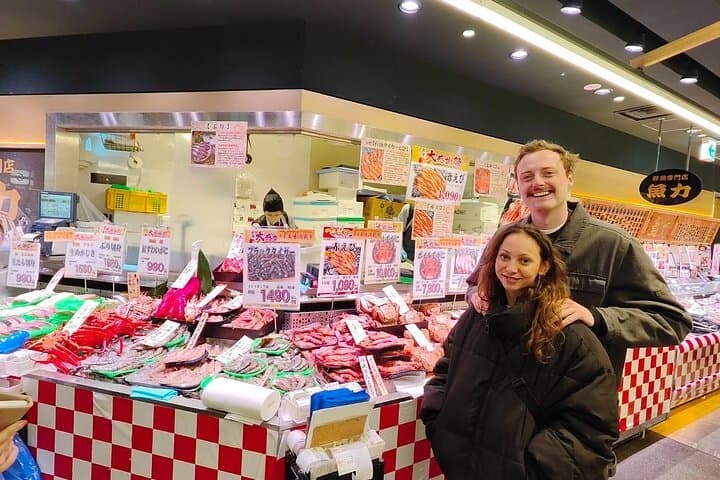
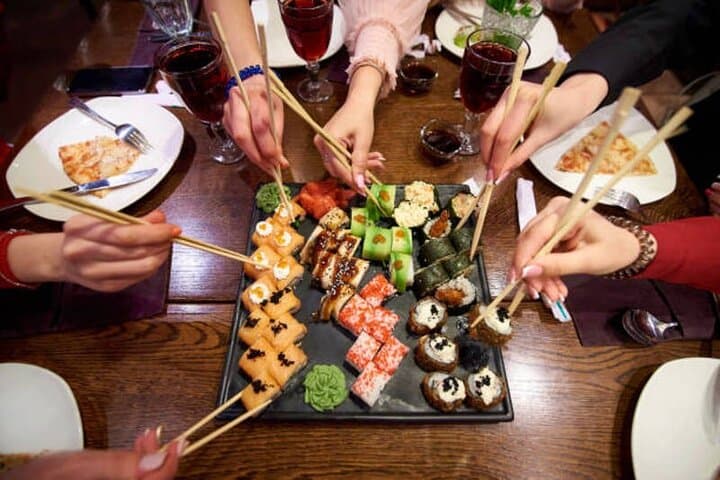

You step out of Sugamo Station into a stream of commuters and the slower-pace pulse of an older Tokyo neighborhood where steam rises from food stalls and the scent of soy and sugar threads through the air.
You step out of Sugamo Station into a stream of commuters and the slower-pace pulse of an older Tokyo neighborhood where steam rises from food stalls and the scent of soy and sugar threads through the air.
The three-hour guided walk moves along the famous Jizo-dori shopping arcade and side streets, stopping at five local vendors—savory snacks, a sit-down lunch, and a sweet finish with a drink included. Sugamo is known for Togenuki Jizo Kogan-ji, a temple where people come for blessings and ritual rinsing of statues; that cultural center anchors a district shaped by daily commerce rather than tourism.
Geologically flat, Sugamo’s streets are compact and lined with low-rise shops that preserve Showa-era storefronts and community rhythms. The tour reveals how food culture here is practical and seasonal: pickled vegetables, fried skewers, sweet confections, and small bowls that prioritize texture and balance over flash.
Practical guidance: be ready to walk moderate distances on paved streets and stand during tastings; bring small bills and a reusable bag for purchases. If you have dietary restrictions, tell the operator in advance—many vendors can adapt or point to suitable choices.
Timing matters: late-morning tours catch market energy before lunch crowds; weekday walks are quieter. The guide’s local knowledge turns each bite into context—who makes the sauce, why a snack is regional, and where to return after the tour for a full meal.