THE ADVENTURE COLLECTIVE® · Independent discovery and booking for outdoor travel

Explore cobblestone streets, the 1853 Santa Lucía Church, and lakeside vistas on a half-day trip from San Salvador. This guided tour pairs colonial history with accessible walking and local crafts.
Explore cobblestone streets, the 1853 Santa Lucía Church, and lakeside vistas on a half-day trip from San Salvador. This guided tour pairs colonial history with accessible walking and local crafts.
You step off the bus into a street of cool stone and sunlight: cobbles underfoot, a church bell marking the hour, and the lake’s hush pushing at the town’s edge.
Verified experiences and guided adventures in the surrounding area.
Operated by Guat2do Travel Experiences · Suchitoto, Cuscatlán
You step off the bus into a street of cool stone and sunlight: cobbles underfoot, a church bell marking the hour, and the lake’s hush pushing at the town’s edge.
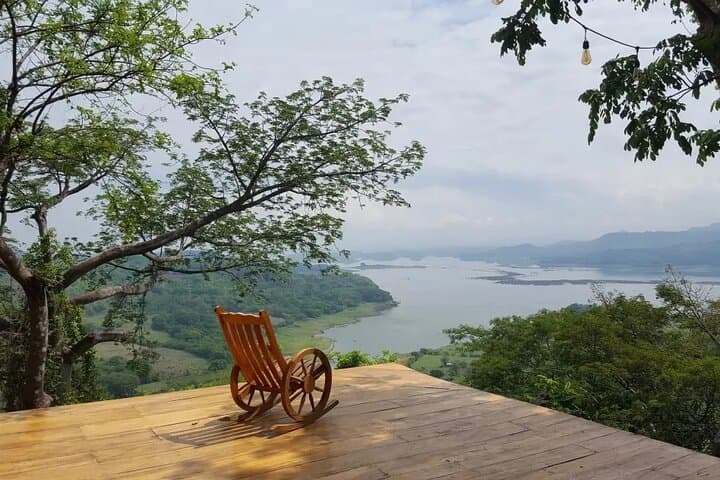
Suchitoto sits above Lake Suchitlán, its streets laid out long before modern roads. Founded by the Pipil people, the town later became a stronghold during Spanish colonization; the whitewashed Santa Lucía Church, rebuilt in 1853, still frames the central plaza. The surrounding volcanic highlands give the area its gentle rises and fertile soils, and the man-made Lake Suchitlán—created in the 1970s—now shapes the local microclimate and migratory bird routes.
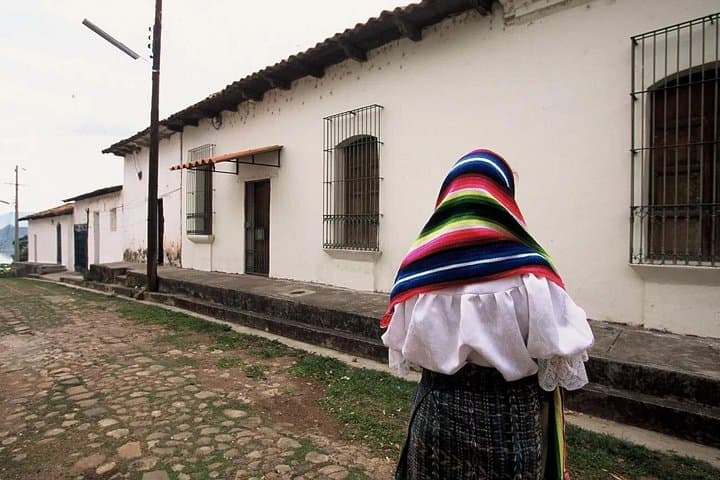
Cultural life centers on craft shops, small galleries, and weekend markets where Lenca-influenced textiles and ceramics are common. Guides will point out colonial facades, time-worn wooden balconies, and the slower rhythm of daily life—a contrast to San Salvador’s urban thrum. If you follow the lane toward the water, herons and kingfishers often patrol the reeds; the lake seems to dare you to slow down.
Practical guidance: plan for 4–5 hours door-to-door from San Salvador; walking is mostly flat but on uneven cobbles, so sturdy shoes help. Bring cash for crafts and optional entry donations, a sun hat, refillable water, and a light layer for breezy lakeside conditions. Afternoon tours can encounter sudden tropical showers in the rainy season; mornings are generally drier and clearer. The tour is low-impact but be mindful of litter, respect local spaces, and ask before photographing people or private workshops.
easy.
4–5 hours.
Suitable for most fitness levels; requires short periods of standing and walking on uneven surfaces.
The trip takes about 1.5 hours each way depending on traffic, making the full tour roughly 4–5 hours including walking time in Suchitoto.
Yes—walking is gentle and routes are short, but expect uneven cobbles; bring a walking aid if mobility is limited.
The tour notes that entrance fees to sites of interest are included as part of the tour inclusions; confirm specifics when booking.
Yes—the itinerary includes viewpoints near the lake where you can photograph the shoreline and watch waterbirds from accessible vantage points.
Suchitoto was originally a Pipil settlement and later resisted full Spanish consolidation; Santa Lucía Church (rebuilt 1853) anchors the colonial plaza.
Lake Suchitlán’s ecosystem is vulnerable to pollution and invasive species; support local guides and shops that practice low-impact tourism and avoid single-use plastics.
Guat2do Travel Experiences operates guided outdoor trips and adventures with an emphasis on safety, stewardship, and memorable experiences.

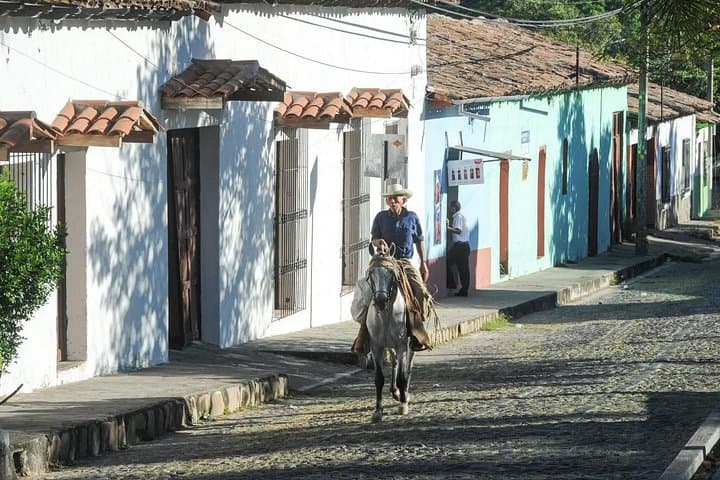
You step off the bus into a street of cool stone and sunlight: cobbles underfoot, a church bell marking the hour, and the lake’s hush pushing at the town’s edge.
You step off the bus into a street of cool stone and sunlight: cobbles underfoot, a church bell marking the hour, and the lake’s hush pushing at the town’s edge.
Suchitoto sits above Lake Suchitlán, its streets laid out long before modern roads. Founded by the Pipil people, the town later became a stronghold during Spanish colonization; the whitewashed Santa Lucía Church, rebuilt in 1853, still frames the central plaza. The surrounding volcanic highlands give the area its gentle rises and fertile soils, and the man-made Lake Suchitlán—created in the 1970s—now shapes the local microclimate and migratory bird routes.
Cultural life centers on craft shops, small galleries, and weekend markets where Lenca-influenced textiles and ceramics are common. Guides will point out colonial facades, time-worn wooden balconies, and the slower rhythm of daily life—a contrast to San Salvador’s urban thrum. If you follow the lane toward the water, herons and kingfishers often patrol the reeds; the lake seems to dare you to slow down.
Practical guidance: plan for 4–5 hours door-to-door from San Salvador; walking is mostly flat but on uneven cobbles, so sturdy shoes help. Bring cash for crafts and optional entry donations, a sun hat, refillable water, and a light layer for breezy lakeside conditions. Afternoon tours can encounter sudden tropical showers in the rainy season; mornings are generally drier and clearer. The tour is low-impact but be mindful of litter, respect local spaces, and ask before photographing people or private workshops.