THE ADVENTURE COLLECTIVE® · Independent discovery and booking for outdoor travel

Learn traditional Aeta bushcraft in Subic Bay’s fringe forest: fire by friction, blowgun and bow basics, and bamboo cooking. This hands-on day course blends cultural exchange with practical survival skills.
Learn traditional Aeta bushcraft in Subic Bay’s fringe forest: fire by friction, blowgun and bow basics, and bamboo cooking. This hands-on day course blends cultural exchange with practical survival skills.
Morning mist lifts from Subic Bay's fringe forest and the first bamboo poles flash wet and green. You step off the service road and into lowland dipterocarp and secondary growth where the Aeta have lived for generations; the forest closes, the air hums, and the day becomes a lesson in practical, hands-on survival.
Verified experiences and guided adventures in the surrounding area.
Operated by Michael Tabangcura Bayquen · Olongapo City, Zambales
Morning mist lifts from Subic Bay's fringe forest and the first bamboo poles flash wet and green. You step off the service road and into lowland dipterocarp and secondary growth where the Aeta have lived for generations; the forest closes, the air hums, and the day becomes a lesson in practical, hands-on survival.
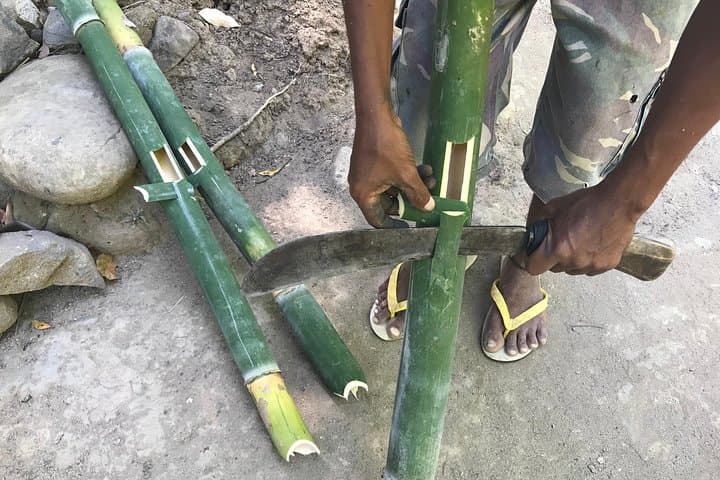
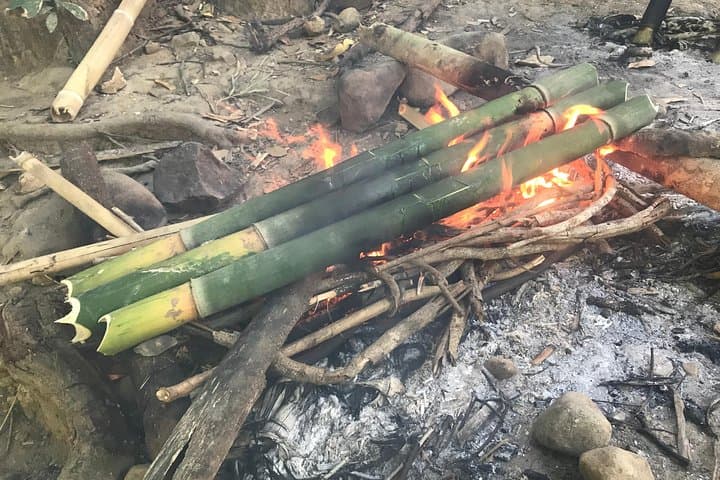
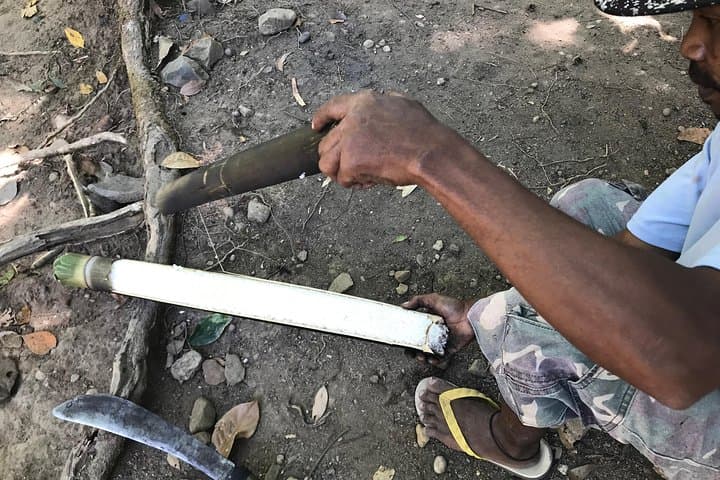
This program draws on Aeta bushcraft—knowledge shaped by local geology (volcanic soils, limestone outcrops) and a history of coastal trade and colonial pressures that pushed Indigenous communities into the interior. Instructors demonstrate traditional blowgun use and native bow-and-arrow techniques, then show how bamboo becomes cookware, utensils, and a vessel for steaming rice and chicken adobo.
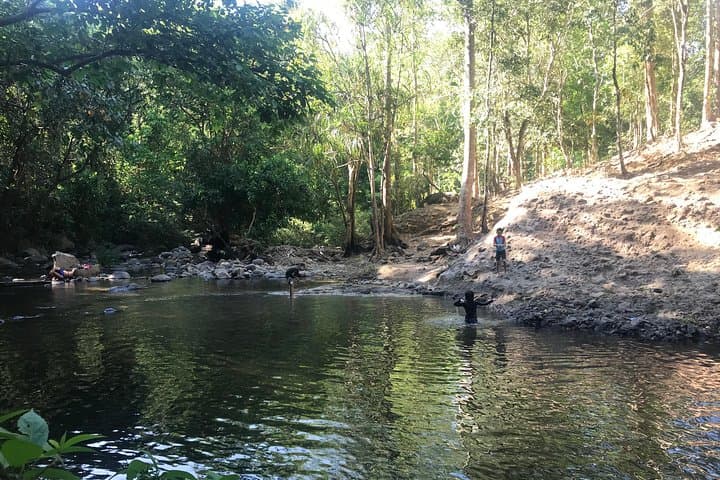
Expect trail sections across uneven, sometimes muddy terrain with intermittent creek crossings and dense undergrowth. The experience is cultural as much as physical: you’ll learn fire-starting without matches using friction or steel, basic shelter concepts, and low-impact foraging principles while observing how the forest provides materials and challenges.
Practical guidance: wear sturdy trail shoes with good traction, bring layered breathable clothing for humidity and sun, and carry 1–2 liters of water plus a small first-aid kit. The day includes an air‑conditioned transfer and a bamboo-cooked lunch; plan for 10–12 hours including transit. Respect Aeta customs, ask before photographing, and follow leave-no-trace practices—this keeps skills living in the community and the forest intact.
moderate.
12 hours.
Comfortable on your feet for several hours; moderate strength and balance for uneven jungle terrain
No. The course teaches beginners basic techniques and safety; instructors guide hands-on practice.
Older children with good stamina (teenagers) can participate, but check organizer age policies and consider supervision.
Light, breathable long sleeves and pants to protect against insects and brush, plus sturdy closed-toe shoes.
Yes—lunch is included and typically consists of rice and native fare cooked in bamboo.
Aeta communities in Subic have practiced forest living for centuries; interactions with Spanish, American, and modern development have shaped a resilient culture centered on local knowledge.
Programs aim to support Indigenous livelihoods and minimize impact—follow guides’ instructions, avoid taking plant material, and pack out waste to protect the forest.
Michael Tabangcura Bayquen operates guided outdoor trips and adventures with an emphasis on safety, stewardship, and memorable experiences.
Morning mist lifts from Subic Bay's fringe forest and the first bamboo poles flash wet and green. You step off the service road and into lowland dipterocarp and secondary growth where the Aeta have lived for generations; the forest closes, the air hums, and the day becomes a lesson in practical, hands-on survival.
Morning mist lifts from Subic Bay's fringe forest and the first bamboo poles flash wet and green. You step off the service road and into lowland dipterocarp and secondary growth where the Aeta have lived for generations; the forest closes, the air hums, and the day becomes a lesson in practical, hands-on survival.
This program draws on Aeta bushcraft—knowledge shaped by local geology (volcanic soils, limestone outcrops) and a history of coastal trade and colonial pressures that pushed Indigenous communities into the interior. Instructors demonstrate traditional blowgun use and native bow-and-arrow techniques, then show how bamboo becomes cookware, utensils, and a vessel for steaming rice and chicken adobo.
Expect trail sections across uneven, sometimes muddy terrain with intermittent creek crossings and dense undergrowth. The experience is cultural as much as physical: you’ll learn fire-starting without matches using friction or steel, basic shelter concepts, and low-impact foraging principles while observing how the forest provides materials and challenges.
Practical guidance: wear sturdy trail shoes with good traction, bring layered breathable clothing for humidity and sun, and carry 1–2 liters of water plus a small first-aid kit. The day includes an air‑conditioned transfer and a bamboo-cooked lunch; plan for 10–12 hours including transit. Respect Aeta customs, ask before photographing, and follow leave-no-trace practices—this keeps skills living in the community and the forest intact.