THE ADVENTURE COLLECTIVE® · Independent discovery and booking for outdoor travel

Paddle across Styggevatnet past floating icebergs, then strap on crampons to explore Austdalsbreen’s blue ice. This full‑day guided tour combines boating and glacier travel for a close view of Jostedalsbreen’s dramatic front.
Paddle across Styggevatnet past floating icebergs, then strap on crampons to explore Austdalsbreen’s blue ice. This full‑day guided tour combines boating and glacier travel for a close view of Jostedalsbreen’s dramatic front.
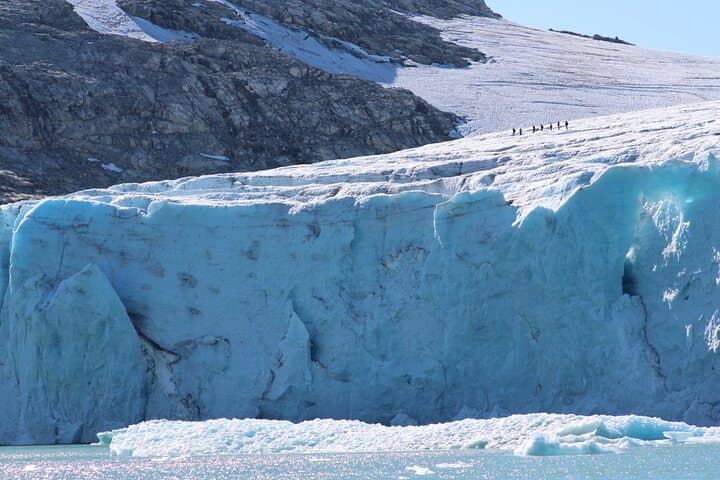
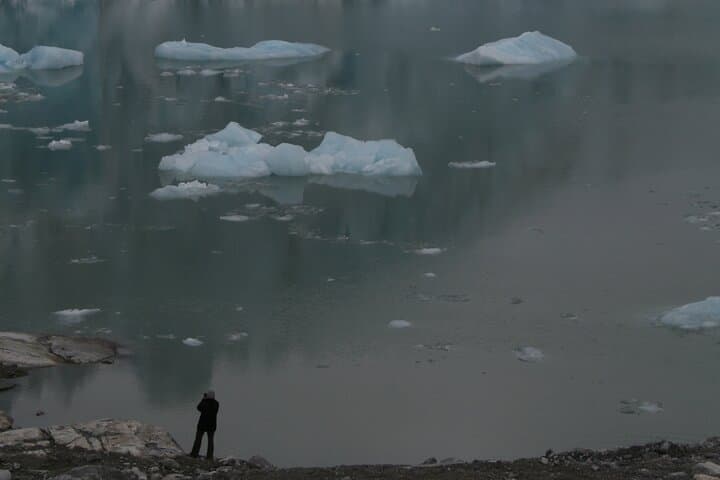
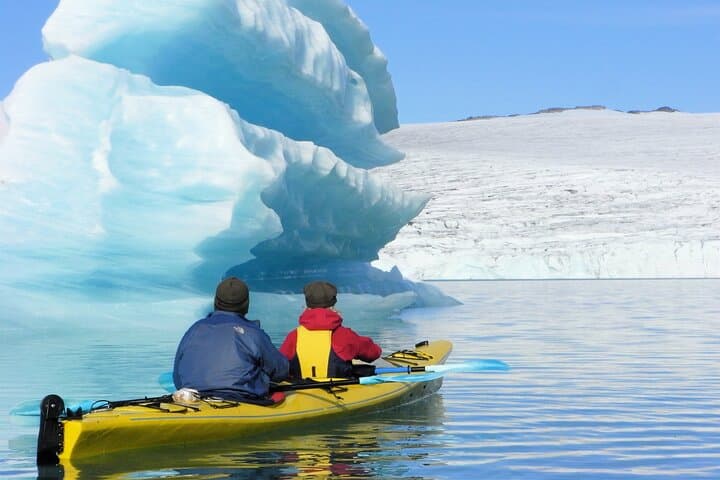
You push off from a quiet shore and the lake answers, ice clinking against your hull as Austdalsbreen looms ahead—a blue wall that still calves and rearranges the water each season.
Verified experiences and guided adventures in the surrounding area.
Operated by ICETROLL - Glacier Hiking & Kayaking · Jostedal, Vestland
You push off from a quiet shore and the lake answers, ice clinking against your hull as Austdalsbreen looms ahead—a blue wall that still calves and rearranges the water each season.
This full-day trip combines a 1.5‑hour paddle across Styggevatnet with a guided walk onto the glacier’s fractured surface. Geologically, Austdalsbreen is an outlet of Jostedalsbreen, Norway’s largest ice cap; its towering 20–30m front and crevassed interior are shaped by winter accumulation and summer melt. The Jostedal valley carries a human history of mountain farming and glacier travel—local guides often share stories of past harvests, hydropower developments that created the reservoir, and the ways communities adapted to a landscape that moves.
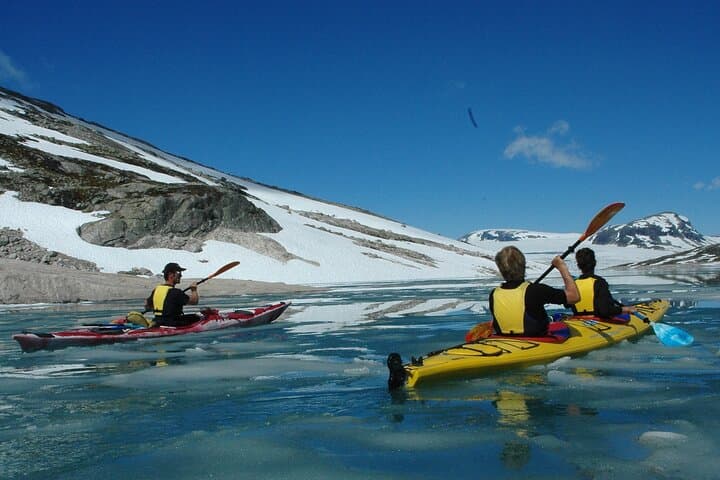
Expect a mix of wind-exposed lake crossings, scattered icebergs, and blue-ice terrain on crampons. Guides will brief on crevasse awareness, show ice features like moulins and seracs, and position lunch with a clear view of the glacier front. Wildlife is subtle here—ptarmigan or sea trout in feeder streams—and the silence after a calving event feels like the mountain catching its breath.
Practically: arrive layered and dry; you’ll be issued kayak gear and glacier equipment. The outing runs July to September when the lake is navigable. Fitness matters—strong paddling, secure footing in crampons, and comfort in cold wind will make the day rewarding rather than gruelling. Bring waterproof layers, sturdy boots, sun protection, and an appetite for remote, active glacier country.
challenging.
7–8 hours.
Good cardiovascular fitness and leg strength; comfortable paddling for 90+ minutes and walking on uneven icy terrain.
Expect about 1.5 hours of paddling one way over Styggevatnet, depending on wind and group pace.
The tour requires a high level of fitness; operators recommend adults and fit teens—contact the provider about family options or half‑day variants.
Trips can be canceled for safety due to high winds, heavy rain, or unsafe glacier conditions; full refunds are typically available if canceled more than 24 hours ahead.
Yes — guides provide helmets, harnesses, crampons, and a safety briefing covering crevasse awareness and rope procedures.
The Jostedal valley has long been shaped by seasonal farming and hydropower developments; the reservoir at Styggevatnet is a product of 20th‑century damming that altered lake levels and access.
Visitors are asked to follow leave‑no‑trace practices; glacial environments are sensitive to foot traffic and litter, and local operators manage group size to reduce impact.
ICETROLL - Glacier Hiking & Kayaking operates guided outdoor trips and adventures with an emphasis on safety, stewardship, and memorable experiences.
You push off from a quiet shore and the lake answers, ice clinking against your hull as Austdalsbreen looms ahead—a blue wall that still calves and rearranges the water each season.
You push off from a quiet shore and the lake answers, ice clinking against your hull as Austdalsbreen looms ahead—a blue wall that still calves and rearranges the water each season.
This full-day trip combines a 1.5‑hour paddle across Styggevatnet with a guided walk onto the glacier’s fractured surface. Geologically, Austdalsbreen is an outlet of Jostedalsbreen, Norway’s largest ice cap; its towering 20–30m front and crevassed interior are shaped by winter accumulation and summer melt. The Jostedal valley carries a human history of mountain farming and glacier travel—local guides often share stories of past harvests, hydropower developments that created the reservoir, and the ways communities adapted to a landscape that moves.
Expect a mix of wind-exposed lake crossings, scattered icebergs, and blue-ice terrain on crampons. Guides will brief on crevasse awareness, show ice features like moulins and seracs, and position lunch with a clear view of the glacier front. Wildlife is subtle here—ptarmigan or sea trout in feeder streams—and the silence after a calving event feels like the mountain catching its breath.
Practically: arrive layered and dry; you’ll be issued kayak gear and glacier equipment. The outing runs July to September when the lake is navigable. Fitness matters—strong paddling, secure footing in crampons, and comfort in cold wind will make the day rewarding rather than gruelling. Bring waterproof layers, sturdy boots, sun protection, and an appetite for remote, active glacier country.