THE ADVENTURE COLLECTIVE® · Independent discovery and booking for outdoor travel

Two hours in Lugano compress history, art, and lakeside life into an easy walking loop led by a local guide. Expect cathedral views, hidden Renaissance frescoes, and practical tips on where to eat, all in a small-group setting.
Two hours in Lugano compress history, art, and lakeside life into an easy walking loop led by a local guide. Expect cathedral views, hidden Renaissance frescoes, and practical tips on where to eat, all in a small-group setting.
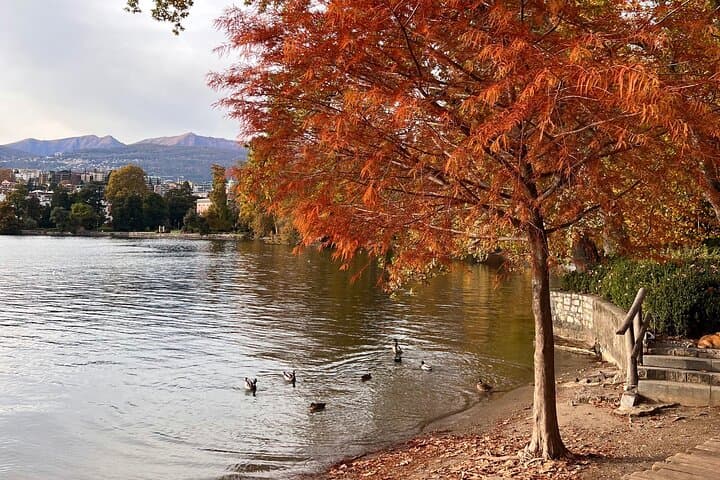
The guide waits by the Manor fountain, a steady presence beside the lake where mountain shadows tilt toward the quay. You step into a compact city that moves at two tempos: the calm of water and the quick, conversational rhythm of streets. Over the next two hours the group threads between sun-bright facades and narrow alleys, the guide layering dates, names, and local jokes so the stones begin to read like pages of a lived history.
Verified experiences and guided adventures in the surrounding area.
Operated by Alpine Views · Lugano, Ticino
The guide waits by the Manor fountain, a steady presence beside the lake where mountain shadows tilt toward the quay. You step into a compact city that moves at two tempos: the calm of water and the quick, conversational rhythm of streets. Over the next two hours the group threads between sun-bright facades and narrow alleys, the guide layering dates, names, and local jokes so the stones begin to read like pages of a lived history.
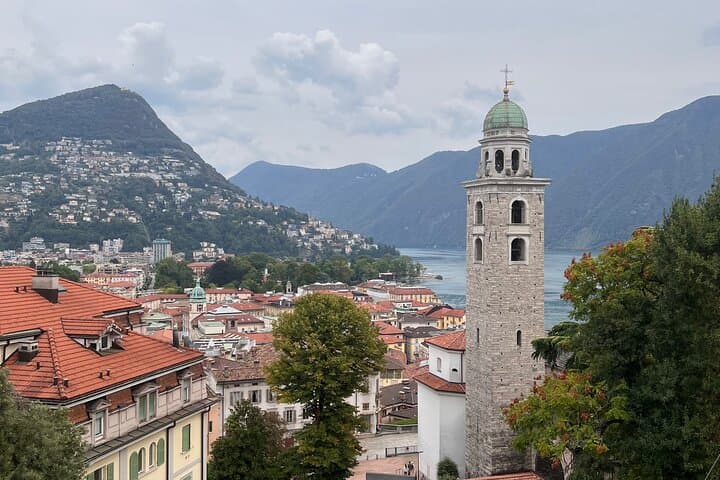
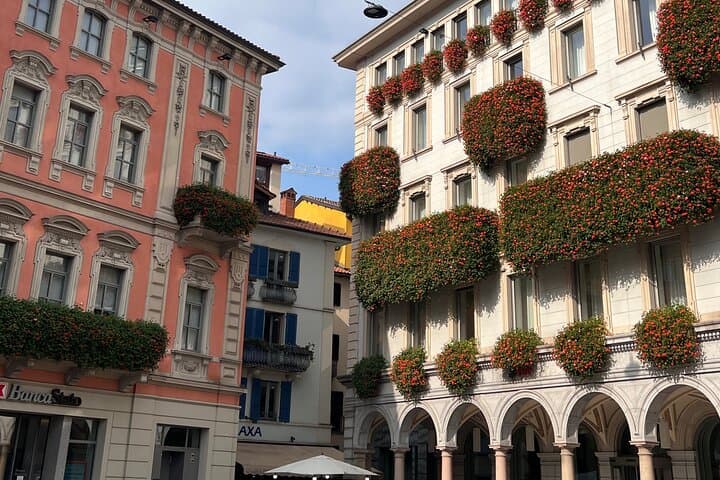
Lugano sits at the hinge between Swiss order and Mediterranean looseness — a border town shaped by trade, clergy, and summer visitors since the 19th century. The walk rises briefly to the cathedral terrace, where Romanesque stone meets a panorama of lake and alps; the guide points out how centuries of architecture mirror shifts in politics and taste. In the old town you’ll stand before a Renaissance fresco by Bernardino Luini, a quiet shock of color tucked near a busy thoroughfare, then move on to Via Nassa where marble shopfronts still speak to the city’s mercantile past.
Geology is plain in the skyline: the lake, hemmed by steep, forested ridges, holds its own weather, sending cool currents through streets and rustling plane trees that seem to gossip about the day’s travelers. Culture here is tactile — cafés with espresso delivered in a breath, small family-run restaurants where menus list both risotto and rösti, and a language that slips between Italian and Swiss German. Your guide won’t merely list facts; they’ll offer restaurant tips, the best pastry to try, and practical shortcuts to avoid tourist queues.
The route is compact and mostly flat, making it ideal for travelers who want depth without endurance. Wear comfortable shoes and bring a light layer: the lake loves to change its mind, and a breeze off the water can turn warm air crisp in minutes.
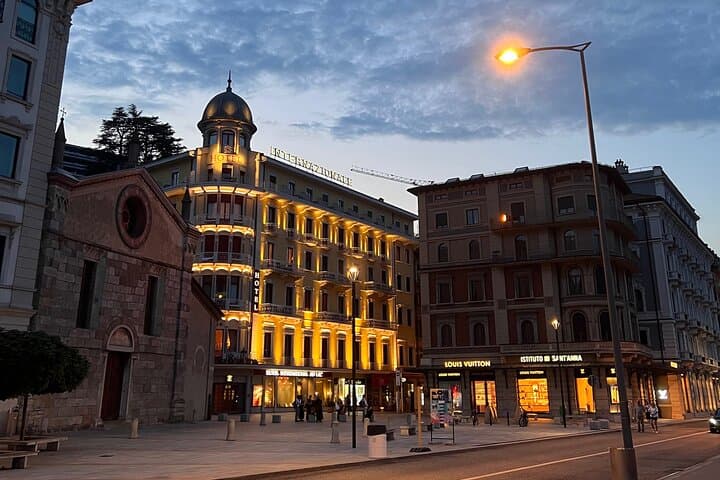
Practical details are straightforward: groups are capped at eight for a personal feel, the meeting point is easy to reach by public transport, and the guide accommodates families and mobility needs with advance notice. Photography opportunities cluster at the terrace, the lakeside promenade, and the old town squares — arrive early for soft morning light or stay until the blue hour when the façades warm under streetlamps.
This walk is a concentrated primer on Lugano — equal parts sightseeing and local orientation. It’s designed to leave you equipped: a map of where to eat well, a handful of stories that make the city’s corners meaningful, and a clear sense of how to move through Ticino like someone who already belongs.
easy.
2–2.5 hours.
Suitable for most fitness levels; requires standing and walking on paved streets for the duration.
Groups are limited to eight travelers for a personal experience and easier navigation through narrow streets.
Yes—families are welcome. Contact the operator in advance to check accessibility and route adjustments for strollers or wheelchairs.
Guides typically speak English; inquire at booking if you need another language and they’ll try to accommodate.
The guide stands in front of Manor, next to the water fountain on Lugano’s lakeside promenade—easy to reach by public transport.
No—this walking tour focuses on exterior sites and stories; any museum or church admissions are not included unless stated otherwise.
Full refunds are available if you cancel at least 24 hours before the scheduled start time.
Lugano grew into prominence in the 19th century as a lakeside resort and trading hub, blending Italianate culture with Swiss civic institutions.
Lake Lugano benefits from active water-quality and shoreline preservation initiatives; avoid feeding wildlife and follow local waste-sorting practices to minimize impact.
Alpine Views operates guided outdoor trips and adventures with an emphasis on safety, stewardship, and memorable experiences.
The guide waits by the Manor fountain, a steady presence beside the lake where mountain shadows tilt toward the quay. You step into a compact city that moves at two tempos: the calm of water and the quick, conversational rhythm of streets. Over the next two hours the group threads between sun-bright facades and narrow alleys, the guide layering dates, names, and local jokes so the stones begin to read like pages of a lived history.
The guide waits by the Manor fountain, a steady presence beside the lake where mountain shadows tilt toward the quay. You step into a compact city that moves at two tempos: the calm of water and the quick, conversational rhythm of streets. Over the next two hours the group threads between sun-bright facades and narrow alleys, the guide layering dates, names, and local jokes so the stones begin to read like pages of a lived history.
Lugano sits at the hinge between Swiss order and Mediterranean looseness — a border town shaped by trade, clergy, and summer visitors since the 19th century. The walk rises briefly to the cathedral terrace, where Romanesque stone meets a panorama of lake and alps; the guide points out how centuries of architecture mirror shifts in politics and taste. In the old town you’ll stand before a Renaissance fresco by Bernardino Luini, a quiet shock of color tucked near a busy thoroughfare, then move on to Via Nassa where marble shopfronts still speak to the city’s mercantile past.
Geology is plain in the skyline: the lake, hemmed by steep, forested ridges, holds its own weather, sending cool currents through streets and rustling plane trees that seem to gossip about the day’s travelers. Culture here is tactile — cafés with espresso delivered in a breath, small family-run restaurants where menus list both risotto and rösti, and a language that slips between Italian and Swiss German. Your guide won’t merely list facts; they’ll offer restaurant tips, the best pastry to try, and practical shortcuts to avoid tourist queues.
The route is compact and mostly flat, making it ideal for travelers who want depth without endurance. Wear comfortable shoes and bring a light layer: the lake loves to change its mind, and a breeze off the water can turn warm air crisp in minutes.
Practical details are straightforward: groups are capped at eight for a personal feel, the meeting point is easy to reach by public transport, and the guide accommodates families and mobility needs with advance notice. Photography opportunities cluster at the terrace, the lakeside promenade, and the old town squares — arrive early for soft morning light or stay until the blue hour when the façades warm under streetlamps.
This walk is a concentrated primer on Lugano — equal parts sightseeing and local orientation. It’s designed to leave you equipped: a map of where to eat well, a handful of stories that make the city’s corners meaningful, and a clear sense of how to move through Ticino like someone who already belongs.