THE ADVENTURE COLLECTIVE® · Independent discovery and booking for outdoor travel

Walk from Laxman Jhula through Rishikesh’s temple-lined lanes to the banks of the Ganges and witness the moving Ganga aarti at sunset. This five-hour guided stroll blends culture, riverside scenery, and local life for a compact introduction to the yoga capital.
Walk from Laxman Jhula through Rishikesh’s temple-lined lanes to the banks of the Ganges and witness the moving Ganga aarti at sunset. This five-hour guided stroll blends culture, riverside scenery, and local life for a compact introduction to the yoga capital.
A wind off the Himalaya moves down the Ganges and carries the sound of bells across narrow lanes. You begin at Laxman Jhula — the creak of the suspension bridge underfoot, the river glinting below — and step into a town where saffron robes and yoga mats share the same pavement. Monks sit in doorways, pilgrims thread their way toward temples, and the day draws toward the riverside ritual that defines evenings here.
Verified experiences and guided adventures in the surrounding area.
Operated by SITA World Tours · Rishikesh, Uttarakhand
A wind off the Himalaya moves down the Ganges and carries the sound of bells across narrow lanes. You begin at Laxman Jhula — the creak of the suspension bridge underfoot, the river glinting below — and step into a town where saffron robes and yoga mats share the same pavement. Monks sit in doorways, pilgrims thread their way toward temples, and the day draws toward the riverside ritual that defines evenings here.
Rishikesh has been a Hindu pilgrimage center for centuries; its identity sharpened in the 20th century as ashrams multiplied and Western seekers arrived, most famously the Beatles in 1968. Geologically, the town sits where the young Ganges has carved a V-shaped valley out of the Lower Himalaya, producing steep banks, shallow rapids, and the flat river terraces that host ghats and stepwells.
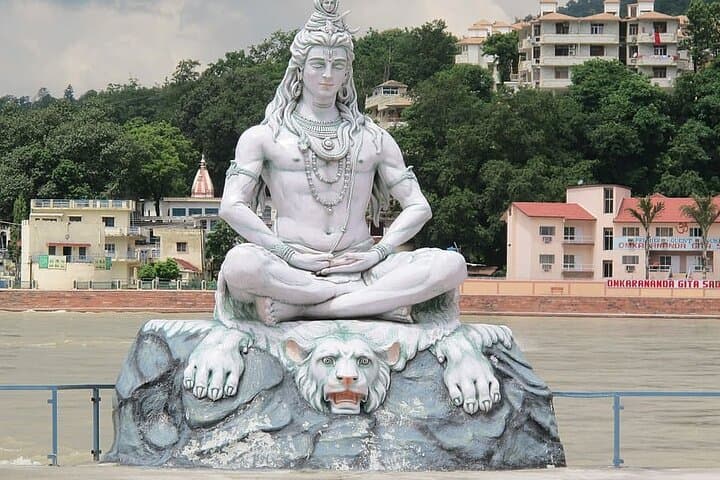
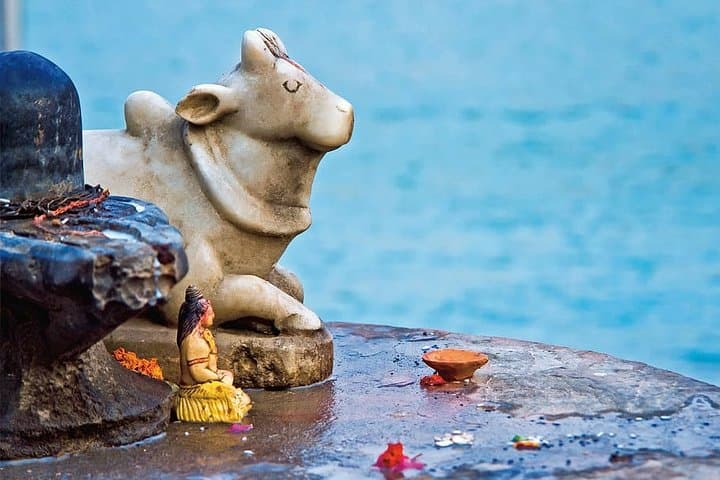
Culture here is public and relational: yoga classes spill onto sidewalks, bazaar vendors hawk incense and beads, and the nightly Ganga aarti converts the riverbank into a stage of lamps and chant. Local etiquette matters — cover shoulders and knees at temples, ask before photographing people, and remove shoes inside shrines.
Practical side: the guided walk runs about five hours with light walking on paved lanes, short stair sections, and minimal elevation gain (roughly 5–10 km of mixed strolling and stops). Late afternoon timing gets you cooler temperatures and the full aarti experience. Wear comfortable walking shoes, bring a refillable water bottle, and expect crowds at popular ghats. If you have back or heart issues, check with your guide — the tour asks for moderate fitness and includes hotel pickup and drop-off.
moderate.
5 hours.
Suitable for someone in regular walking shape who can handle several hours of walking with frequent stops; not recommended for those with serious back or heart conditions.
Yes — the itinerary is timed to reach the riverbank for the evening aarti so you can observe the ceremony from a local vantage point.
Yes — the tour includes hotel pickup and drop-off by private air-conditioned vehicle within central Rishikesh.
The walk includes stops at bazaars and ashram areas where restrooms and light local food or snacks are available; bottled water is provided.
Children can join but must be accompanied by an adult; the route has stairs and uneven paving and is not recommended for travelers with significant mobility restrictions.
Rishikesh evolved from an ancient pilgrimage stop into a modern yoga hub in the 20th century; its ashrams attracted international visitors and teachers, reshaping local economy and culture.
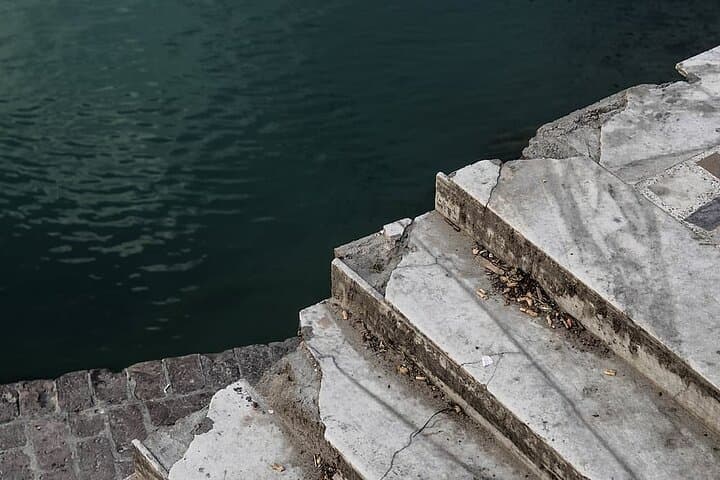
The Ganges near Rishikesh is subject to conservation efforts and waste-management campaigns; visitors are encouraged to avoid single-use plastics and respect riverside cleanliness.
SITA World Tours operates guided outdoor trips and adventures with an emphasis on safety, stewardship, and memorable experiences.
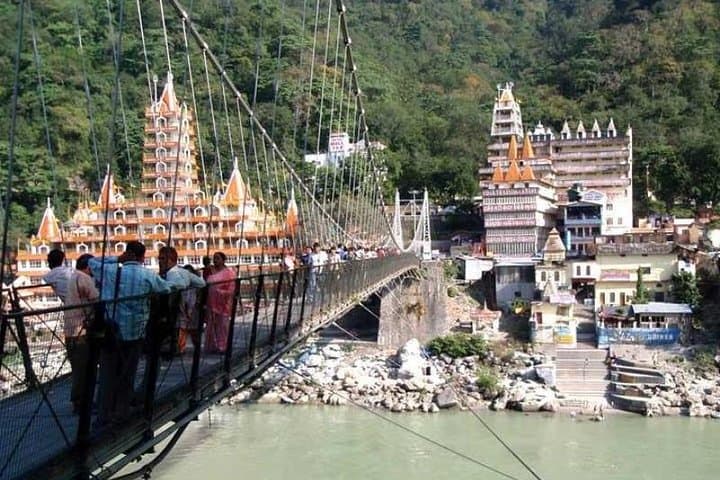
A wind off the Himalaya moves down the Ganges and carries the sound of bells across narrow lanes. You begin at Laxman Jhula — the creak of the suspension bridge underfoot, the river glinting below — and step into a town where saffron robes and yoga mats share the same pavement. Monks sit in doorways, pilgrims thread their way toward temples, and the day draws toward the riverside ritual that defines evenings here.
A wind off the Himalaya moves down the Ganges and carries the sound of bells across narrow lanes. You begin at Laxman Jhula — the creak of the suspension bridge underfoot, the river glinting below — and step into a town where saffron robes and yoga mats share the same pavement. Monks sit in doorways, pilgrims thread their way toward temples, and the day draws toward the riverside ritual that defines evenings here.
Rishikesh has been a Hindu pilgrimage center for centuries; its identity sharpened in the 20th century as ashrams multiplied and Western seekers arrived, most famously the Beatles in 1968. Geologically, the town sits where the young Ganges has carved a V-shaped valley out of the Lower Himalaya, producing steep banks, shallow rapids, and the flat river terraces that host ghats and stepwells.
Culture here is public and relational: yoga classes spill onto sidewalks, bazaar vendors hawk incense and beads, and the nightly Ganga aarti converts the riverbank into a stage of lamps and chant. Local etiquette matters — cover shoulders and knees at temples, ask before photographing people, and remove shoes inside shrines.
Practical side: the guided walk runs about five hours with light walking on paved lanes, short stair sections, and minimal elevation gain (roughly 5–10 km of mixed strolling and stops). Late afternoon timing gets you cooler temperatures and the full aarti experience. Wear comfortable walking shoes, bring a refillable water bottle, and expect crowds at popular ghats. If you have back or heart issues, check with your guide — the tour asks for moderate fitness and includes hotel pickup and drop-off.