THE ADVENTURE COLLECTIVE® · Independent discovery and booking for outdoor travel

Walk the East Gardens of the Imperial Palace and trace Tokyo’s feudal past beneath modern towers. This two-hour guided tour breaks down Edo Castle’s ruins, stonework, and seasonal gardens with practical tips for first-time visitors.
Walk the East Gardens of the Imperial Palace and trace Tokyo’s feudal past beneath modern towers. This two-hour guided tour breaks down Edo Castle’s ruins, stonework, and seasonal gardens with practical tips for first-time visitors.
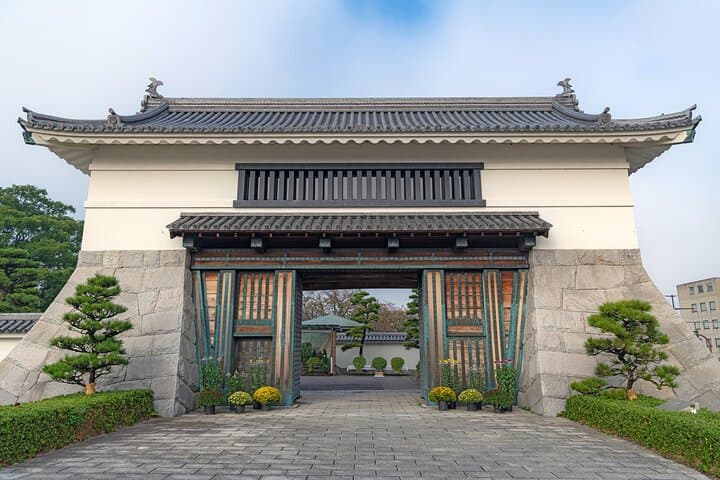
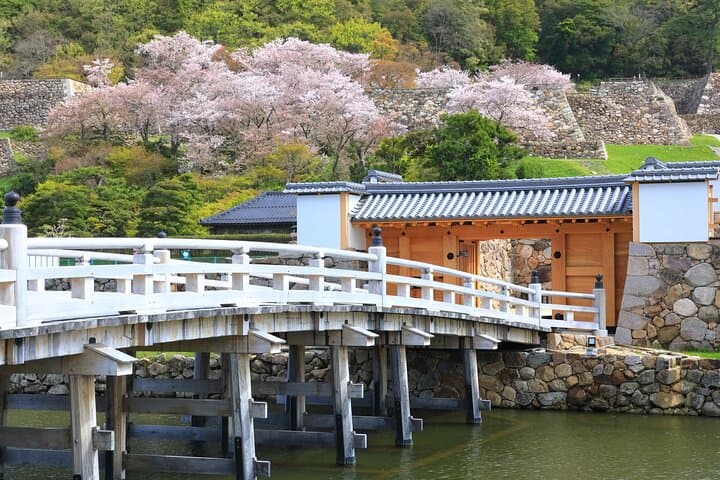
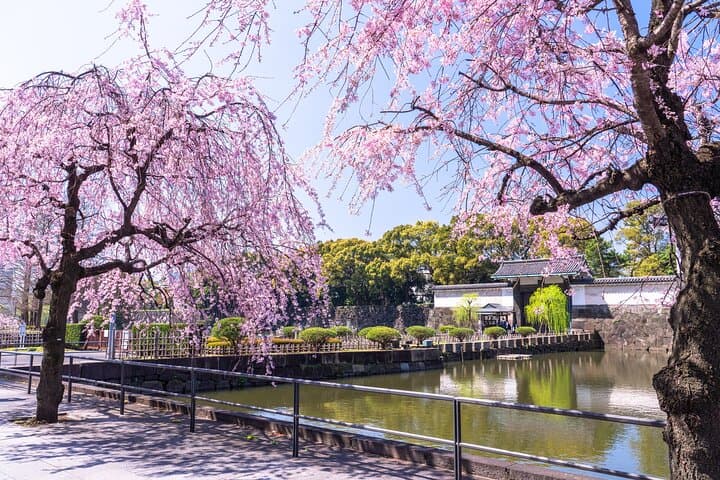
You step through a modern Tokyo morning and find the city folding back into history: granite walls rise above a glass skyline, cherry trees lean over a quiet moat daring you to look closer. On this two-hour East Garden walk you follow paths once trod by samurai and retainers, passing ruined foundations, stone ramparts, and carefully pruned pines that keep a centuries-old rhythm.
Verified experiences and guided adventures in the surrounding area.
Operated by gotcha · Tokyo, Tokyo
You step through a modern Tokyo morning and find the city folding back into history: granite walls rise above a glass skyline, cherry trees lean over a quiet moat daring you to look closer. On this two-hour East Garden walk you follow paths once trod by samurai and retainers, passing ruined foundations, stone ramparts, and carefully pruned pines that keep a centuries-old rhythm.
The East Gardens occupy the inner precincts of Edo Castle, the seat of the Tokugawa shogunate until 1868, later reshaped as Imperial grounds. Geologically, the site is flat alluvium reclaimed and reinforced with massive stonework; the dramatic walls and moats are human-made geology—engineered defenses that now frame manicured lawns and seasonal plantings.
Culturally the gardens bridge eras: Edo-period ruins, Meiji-era landscaping, and contemporary Tokyo life converge. Local guides point out the Ninomaru remnants, the defense-oriented masonry, and the quiet tea-house lines where courtiers once moved.
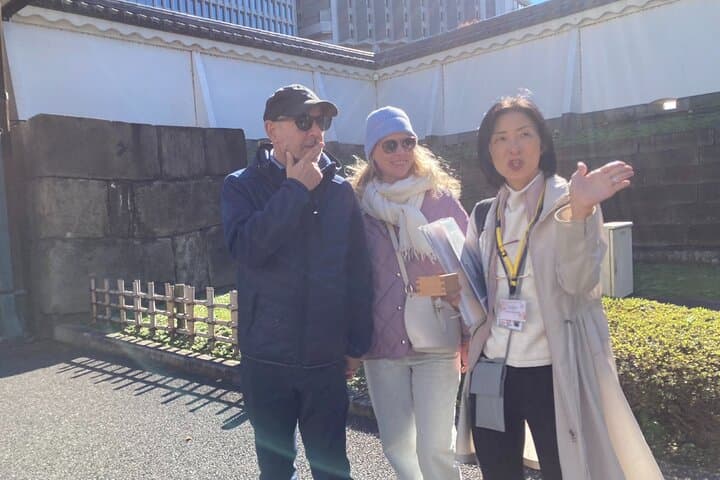
Practically, expect paved and gravel paths with occasional stone steps and minimal elevation gain. The route is easy walking but can be hot and humid in summer; bring water, sun protection, and a light rain layer. Note the East Garden is closed Mondays and Fridays, you cannot enter the Imperial Palace itself, and bags are subject to inspection. Public transit access is excellent—plan to meet at the agreed station exit and allow time for security checks. Move respectfully, keep to paths, and pause at viewpoints: the moat and stonework reward a patient eye.
easy.
2 hours.
Suitable for most fitness levels—moderate walking pace with short standing periods; minimal elevation.
No—the tour visits the East Gardens only; the Imperial Palace interior is not open to general public tours through this activity.
Guides commonly speak English and Japanese; confirm language availability when booking to ensure a match.
The meeting point is usually near a specified station exit—use public transit (Tokyo Metro or JR) and arrive 10–15 minutes early to account for security checks.
The East Garden is closed on Mondays and Fridays and on certain national holidays—check official schedules before visiting.
The East Gardens sit on the site of Edo Castle, the Tokugawa shogunate’s administrative center; many features are remnants of feudal-era defenses adapted into modern gardens.
High visitor volume requires staying on designated paths and following posted rules; seasonal planting plans and regular maintenance preserve historic stonework and native plantings.
gotcha operates guided outdoor trips and adventures with an emphasis on safety, stewardship, and memorable experiences.
You step through a modern Tokyo morning and find the city folding back into history: granite walls rise above a glass skyline, cherry trees lean over a quiet moat daring you to look closer. On this two-hour East Garden walk you follow paths once trod by samurai and retainers, passing ruined foundations, stone ramparts, and carefully pruned pines that keep a centuries-old rhythm.
You step through a modern Tokyo morning and find the city folding back into history: granite walls rise above a glass skyline, cherry trees lean over a quiet moat daring you to look closer. On this two-hour East Garden walk you follow paths once trod by samurai and retainers, passing ruined foundations, stone ramparts, and carefully pruned pines that keep a centuries-old rhythm.
The East Gardens occupy the inner precincts of Edo Castle, the seat of the Tokugawa shogunate until 1868, later reshaped as Imperial grounds. Geologically, the site is flat alluvium reclaimed and reinforced with massive stonework; the dramatic walls and moats are human-made geology—engineered defenses that now frame manicured lawns and seasonal plantings.
Culturally the gardens bridge eras: Edo-period ruins, Meiji-era landscaping, and contemporary Tokyo life converge. Local guides point out the Ninomaru remnants, the defense-oriented masonry, and the quiet tea-house lines where courtiers once moved.
Practically, expect paved and gravel paths with occasional stone steps and minimal elevation gain. The route is easy walking but can be hot and humid in summer; bring water, sun protection, and a light rain layer. Note the East Garden is closed Mondays and Fridays, you cannot enter the Imperial Palace itself, and bags are subject to inspection. Public transit access is excellent—plan to meet at the agreed station exit and allow time for security checks. Move respectfully, keep to paths, and pause at viewpoints: the moat and stonework reward a patient eye.