THE ADVENTURE COLLECTIVE® · Independent discovery and booking for outdoor travel

Walk downtown Raleigh with a professional historian and move through the city’s civic, architectural, and cultural history in a focused 60-minute route. Expect a mix of early-20th-century mansions, colonial-era stories, and modern civic spaces—delivered with expert context and practical tips.
Walk downtown Raleigh with a professional historian and move through the city’s civic, architectural, and cultural history in a focused 60-minute route. Expect a mix of early-20th-century mansions, colonial-era stories, and modern civic spaces—delivered with expert context and practical tips.
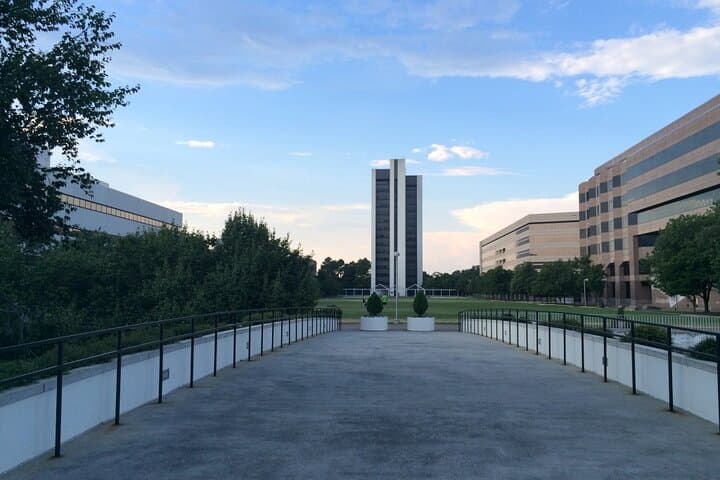
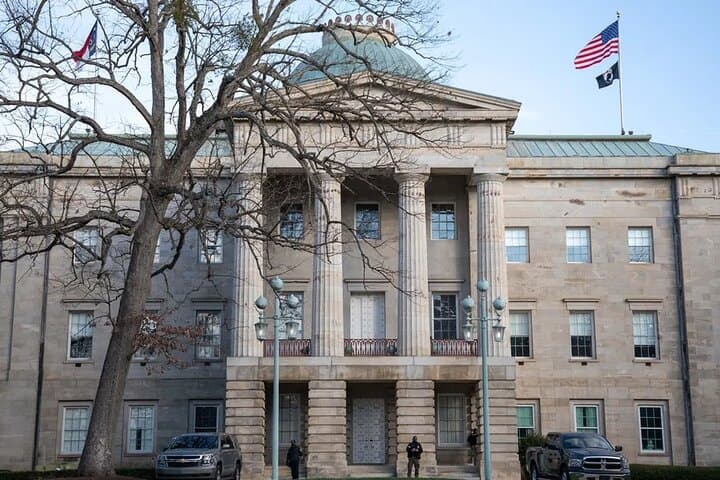
The group assembles at the Fayetteville Street entrance of the Raleigh Sheraton; the pavement hums with urban traffic and the guide’s voice cuts through—clear, practiced, full of dates and human detail. Within minutes you’re moving: past early-20th-century brick facades, under the shadow of modern glass, and beside a courthouse square that keeps the city’s public life visible and immediate.
Verified experiences and guided adventures in the surrounding area.
Operated by Triangle Walking Tours · Raleigh, North Carolina
The group assembles at the Fayetteville Street entrance of the Raleigh Sheraton; the pavement hums with urban traffic and the guide’s voice cuts through—clear, practiced, full of dates and human detail. Within minutes you’re moving: past early-20th-century brick facades, under the shadow of modern glass, and beside a courthouse square that keeps the city’s public life visible and immediate.
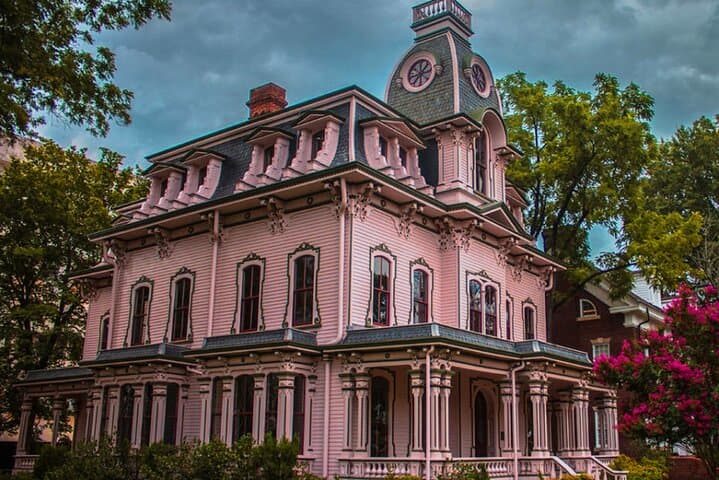
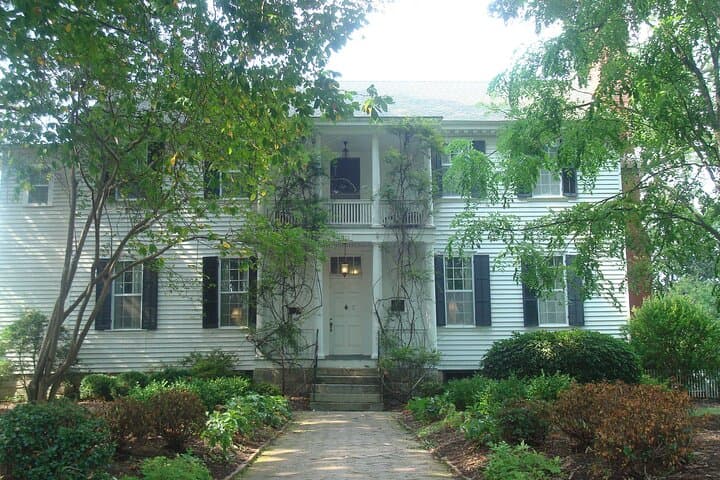
Raleigh was founded in 1792 as North Carolina’s planned capital, its grid and public squares designed for governance as much as commerce. The tour traces eras—colonial land grants and plantation routes, the rise of tobacco and rail that rewired the city, and 20th-century civic design that gave downtown its mix of Italianate homes and postwar skyscrapers. Geology is a quiet player here: the Piedmont gently rises and falls, shaping drainage and the location of early mills and farms outside the core.
Culturally, this walk highlights neighborhoods where preservation battles, mill-town immigrant stories, and modern redevelopment intersect. The historian-guide explains architectural details—bracketed cornices, brick bond patterns—and the local politics that shifted streets and plazas.
Practical guidance: the route covers roughly one mile over sixty minutes with mostly flat sidewalks and curb cuts—wheelchair accessible. Wear comfortable shoes and bring water; expect frequent stops for stories and photo ops. Morning or late-afternoon departures avoid the hottest sun. Ask the guide about nearby sites to extend your exploration: historic Oakwood, the City Market, or the nearby museums. This is a concise, context-rich way to read Raleigh’s layers on foot and leave with clear directions for further exploration.
easy.
1 hour.
Suitable for most fitness levels; mostly flat urban walking with frequent stops
Meet at the Fayetteville Street entrance of the Raleigh Sheraton; guides check in guests before departing.
Yes; sidewalks and route are wheelchair accessible and suitable for strollers.
The cancellation policy allows full refund if cancelled at least 24 hours prior; light rain tours may proceed—check with the operator for severe weather.
Max group size is 25, which keeps the walk conversational while ensuring everyone can hear the guide.
Raleigh was laid out in 1792 as a planned capital; downtown grew through tobacco, rail, and civic investment, producing the mix of Italianate homes and modern civic buildings you’ll see.
Local preservation groups actively protect historic districts; stay on public sidewalks, respect private property, and support small downtown businesses to sustain the neighborhood.
Triangle Walking Tours operates guided outdoor trips and adventures with an emphasis on safety, stewardship, and memorable experiences.
The group assembles at the Fayetteville Street entrance of the Raleigh Sheraton; the pavement hums with urban traffic and the guide’s voice cuts through—clear, practiced, full of dates and human detail. Within minutes you’re moving: past early-20th-century brick facades, under the shadow of modern glass, and beside a courthouse square that keeps the city’s public life visible and immediate.
The group assembles at the Fayetteville Street entrance of the Raleigh Sheraton; the pavement hums with urban traffic and the guide’s voice cuts through—clear, practiced, full of dates and human detail. Within minutes you’re moving: past early-20th-century brick facades, under the shadow of modern glass, and beside a courthouse square that keeps the city’s public life visible and immediate.
Raleigh was founded in 1792 as North Carolina’s planned capital, its grid and public squares designed for governance as much as commerce. The tour traces eras—colonial land grants and plantation routes, the rise of tobacco and rail that rewired the city, and 20th-century civic design that gave downtown its mix of Italianate homes and postwar skyscrapers. Geology is a quiet player here: the Piedmont gently rises and falls, shaping drainage and the location of early mills and farms outside the core.
Culturally, this walk highlights neighborhoods where preservation battles, mill-town immigrant stories, and modern redevelopment intersect. The historian-guide explains architectural details—bracketed cornices, brick bond patterns—and the local politics that shifted streets and plazas.
Practical guidance: the route covers roughly one mile over sixty minutes with mostly flat sidewalks and curb cuts—wheelchair accessible. Wear comfortable shoes and bring water; expect frequent stops for stories and photo ops. Morning or late-afternoon departures avoid the hottest sun. Ask the guide about nearby sites to extend your exploration: historic Oakwood, the City Market, or the nearby museums. This is a concise, context-rich way to read Raleigh’s layers on foot and leave with clear directions for further exploration.