THE ADVENTURE COLLECTIVE® · Independent discovery and booking for outdoor travel

Step into a kimono in Kyoto and move through history while dressed in traditional silk. This rental combines expert dressing, optional hairstyling, and photography guidance for a polished stroll through temples and alleys.
Step into a kimono in Kyoto and move through history while dressed in traditional silk. This rental combines expert dressing, optional hairstyling, and photography guidance for a polished stroll through temples and alleys.
A narrow stone lane in Gion, footsteps muffled by wooden porches, and the soft rustle of silk as you step into a kimono: that is where this experience begins. The dressing room hums with calm efficiency — staff unfurl obi and fold collars with hands that know the rhythm of the garment. Outside, the Kamo River will catch your eye and invite a slow stroll; the Higashiyama hills watch over the city like patient hosts.
Verified experiences and guided adventures in the surrounding area.
Operated by Kyoto Kimono Rental Yumeyakata · Kyoto, Kyoto Prefecture
A narrow stone lane in Gion, footsteps muffled by wooden porches, and the soft rustle of silk as you step into a kimono: that is where this experience begins. The dressing room hums with calm efficiency — staff unfurl obi and fold collars with hands that know the rhythm of the garment. Outside, the Kamo River will catch your eye and invite a slow stroll; the Higashiyama hills watch over the city like patient hosts.
Kyoto’s kimono culture grew as the city matured into Japan’s capital over a thousand years ago; the wardrobe evolved from court robes to everyday art. The shop behind this rental has roots stretching roughly 160 years, blending classic techniques with contemporary patterns that suit shrine visits, tea houses, or a photo session on Ninenzaka’s steps.
Geology and layout shape the walk: compact streets, intermittent stone steps, and temple gardens with moss that requires careful footwork. Cultural rules matter — modesty at shrines and removing shoes in designated areas remain part of the etiquette.
Practically, expect 60–90 minutes for dressing and optional hairstyling, then a 3–6 hour rental window. Mobility is slower in kimono and geta sandals; choose routes with few steep inclines if you want an unhurried day. Bring a small bag, plan photo stops at less crowded alleys, and book ahead for popular times like late afternoon light. The experience balances quiet tradition with the practicalities of moving through a living city — rewarding, photogenic, and straightforward to prepare for.
easy.
3–6 hours.
No special fitness required, though standing for dressing and gentle walking in restrictive footwear is expected.
Expect 60–90 minutes for kimono dressing with optional hairstyling; staff size and experience keep the process efficient.
Yes—sandals (zori/geta), tabi socks, a clutch bag, and an obi are included per the rental package.
Most shrines welcome kimono-clad visitors; many restaurants do too, but some formal dining spaces may require reservations and polite behavior.
The activity is suitable for most fitness levels, but note that stairs and long uphill streets are harder in traditional footwear; contact the shop for assistance options.
Kimono evolved over centuries in Kyoto, where dress signaled rank, season and ceremony; the local rental shop traces its craft to roughly 160 years of service.
Respect temple gardens and moss by staying on paths, decline flash photography in fragile interiors, and limit dry-cleaning frequency to reduce chemical runoff from frequent laundering.
Kyoto Kimono Rental Yumeyakata operates guided outdoor trips and adventures with an emphasis on safety, stewardship, and memorable experiences.
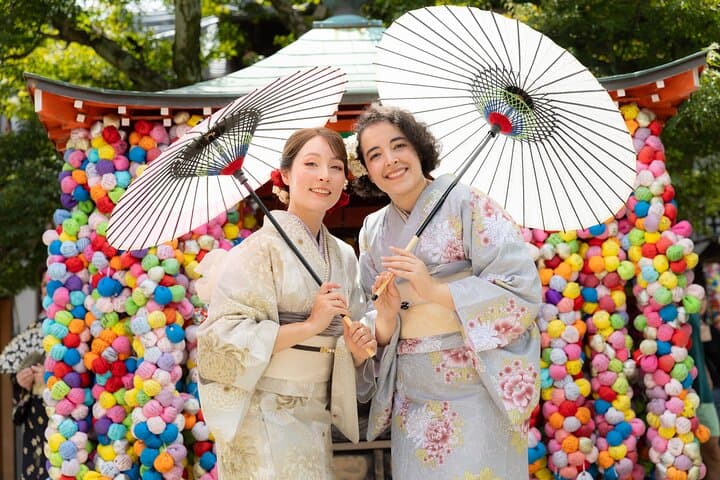
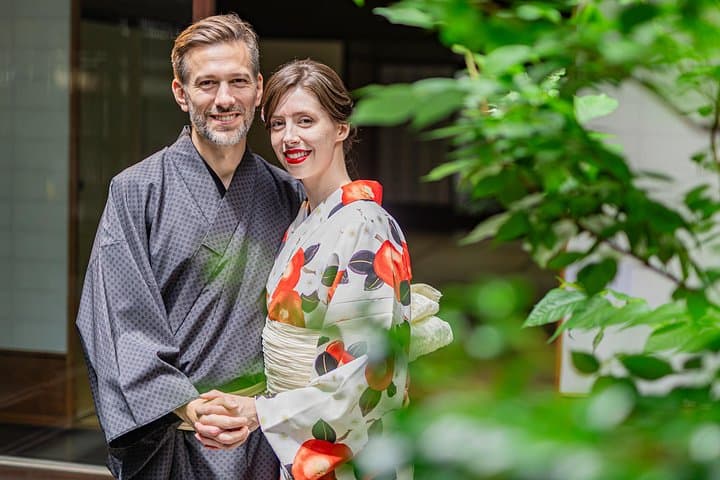
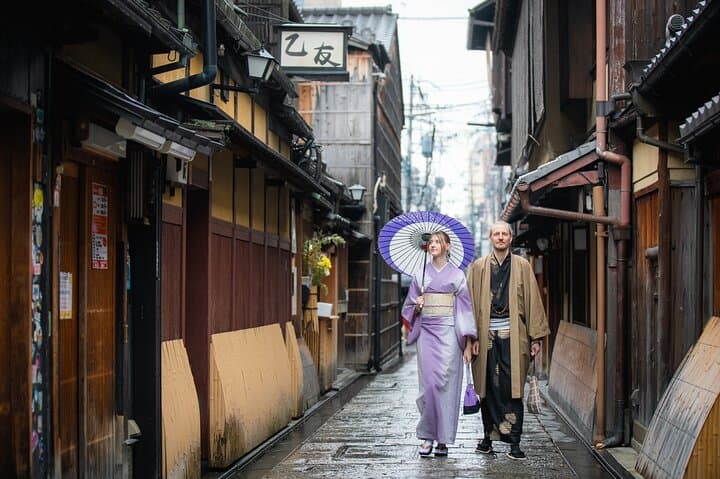
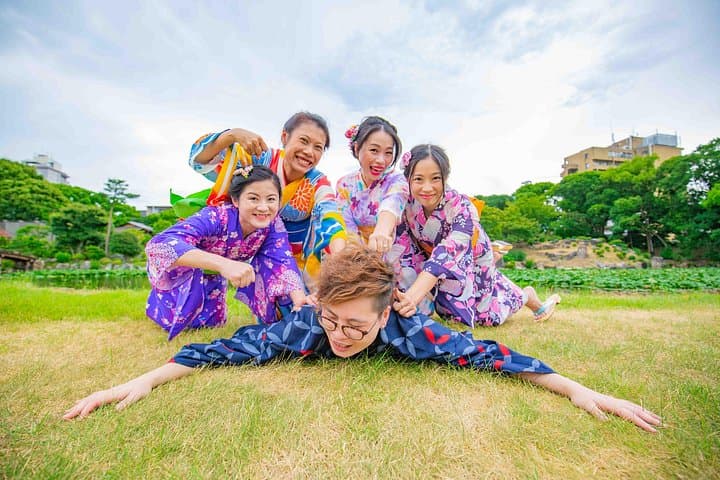
A narrow stone lane in Gion, footsteps muffled by wooden porches, and the soft rustle of silk as you step into a kimono: that is where this experience begins. The dressing room hums with calm efficiency — staff unfurl obi and fold collars with hands that know the rhythm of the garment. Outside, the Kamo River will catch your eye and invite a slow stroll; the Higashiyama hills watch over the city like patient hosts.
A narrow stone lane in Gion, footsteps muffled by wooden porches, and the soft rustle of silk as you step into a kimono: that is where this experience begins. The dressing room hums with calm efficiency — staff unfurl obi and fold collars with hands that know the rhythm of the garment. Outside, the Kamo River will catch your eye and invite a slow stroll; the Higashiyama hills watch over the city like patient hosts.
Kyoto’s kimono culture grew as the city matured into Japan’s capital over a thousand years ago; the wardrobe evolved from court robes to everyday art. The shop behind this rental has roots stretching roughly 160 years, blending classic techniques with contemporary patterns that suit shrine visits, tea houses, or a photo session on Ninenzaka’s steps.
Geology and layout shape the walk: compact streets, intermittent stone steps, and temple gardens with moss that requires careful footwork. Cultural rules matter — modesty at shrines and removing shoes in designated areas remain part of the etiquette.
Practically, expect 60–90 minutes for dressing and optional hairstyling, then a 3–6 hour rental window. Mobility is slower in kimono and geta sandals; choose routes with few steep inclines if you want an unhurried day. Bring a small bag, plan photo stops at less crowded alleys, and book ahead for popular times like late afternoon light. The experience balances quiet tradition with the practicalities of moving through a living city — rewarding, photogenic, and straightforward to prepare for.