THE ADVENTURE COLLECTIVE® · Independent discovery and booking for outdoor travel

Walk De Pijp’s lively streets and sample Dutch staples alongside Surinamese and Indonesian dishes at Albert Cuyp Market. This four-hour tour pairs local stories with five curated tasting stops—perfect for curious eaters ready to explore Amsterdam on foot.
Walk De Pijp’s lively streets and sample Dutch staples alongside Surinamese and Indonesian dishes at Albert Cuyp Market. This four-hour tour pairs local stories with five curated tasting stops—perfect for curious eaters ready to explore Amsterdam on foot.
You step off the tram and the city changes pitch: the canal breeze carries frying batter, the cobbles answer with steady clacks, and the voices of market sellers pull you toward a ribbon of stalls under striped awnings.
Verified experiences and guided adventures in the surrounding area.
Operated by eatwith · Amsterdam, North Holland
You step off the tram and the city changes pitch: the canal breeze carries frying batter, the cobbles answer with steady clacks, and the voices of market sellers pull you toward a ribbon of stalls under striped awnings.
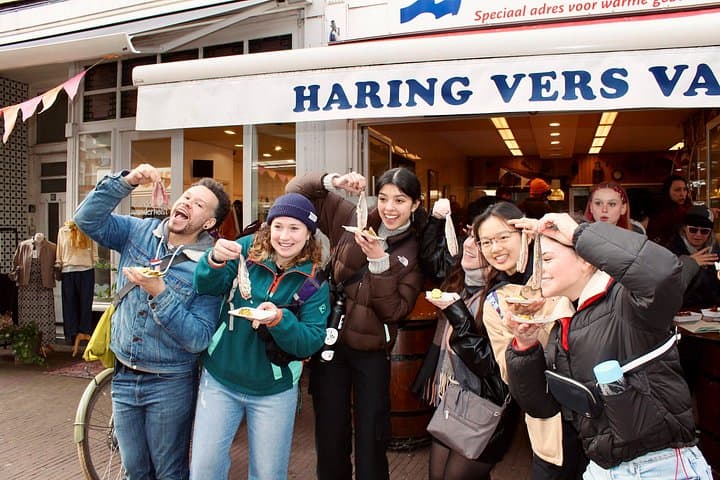
De Pijp grew fast in the late 19th century as a working-class neighborhood; its streets still hold that practical energy. Albert Cuyp Market, opened in 1905, stretches through the heart of the district and mixes Dutch staples with strong Surinamese and Indonesian influences — a reflection of Amsterdam’s colonial and immigrant histories. The ground is old brick and the aroma of stroopwafels and poffertjes competes with the salty tang of herring daring you to try it.
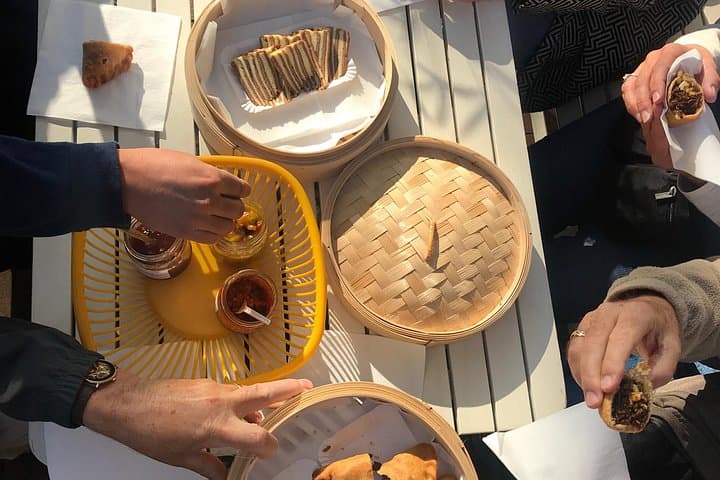
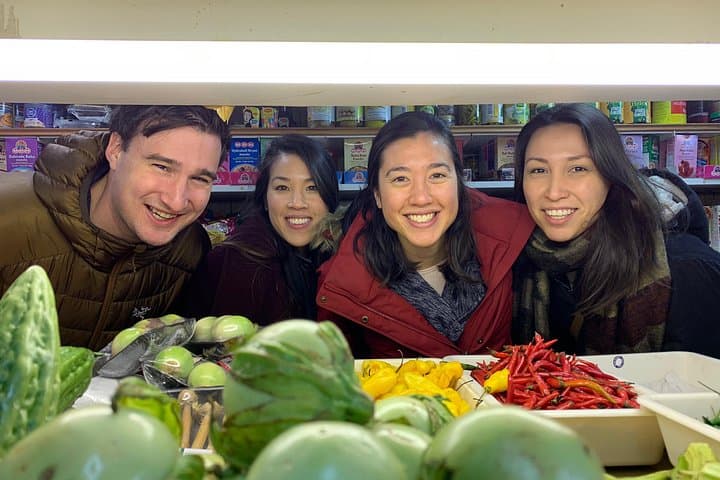
Expect a walking rhythm: quick bites at five curated stops, short stories from your guide, and crowds that ebb and flow with the tram schedule. Terrain is flat city pavement with occasional market crush; distance covered in a typical four-hour tour is roughly 2–3 miles (3–5 km) at an easy pace. Cultural notes include family-run toko shops and hidden Surinamese snack counters that speak to the neighborhood’s layered identity.
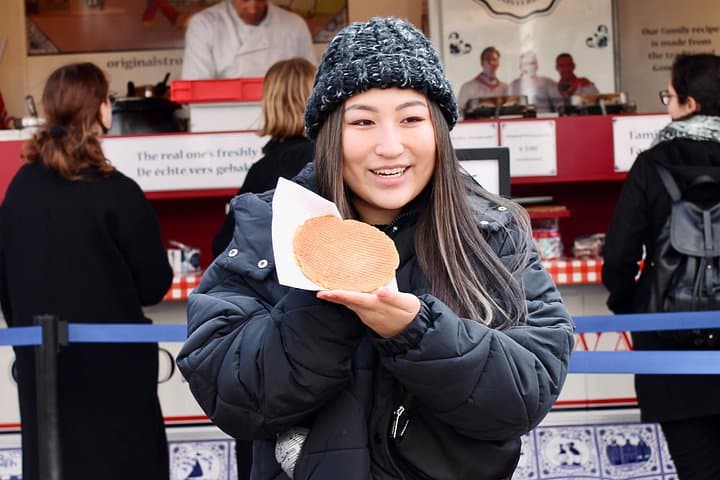
Practical guidance: bring a light rain layer, comfortable shoes, and a reusable bottle; communicate allergies ahead of time. Aim for morning slots to avoid peak crowds and to see the freshest produce. Vendors accept cards sometimes, but small purchases may be cash-first. Move deliberately — savor each small plate and leave room for a sweet finish: Dutch apple pie or a warm stroopwafel pressed between your palms.
easy.
4 hours.
Light walking fitness required; suitable for most travelers who can stand and walk for several short stretches
Expect roughly 2–3 miles (3–5 km) on mostly flat pavement with short pauses at each food stop; pace is relaxed and suitable for most abilities.
Yes—notify the operator when booking and again at the start so guides can avoid allergens and select appropriate stops.
Meet near a designated tram stop in De Pijp; public transport in Amsterdam is frequent—check tram lines 3 or 12 for central access.
The tour includes curated tastings at five stops; additional personal purchases are at your own expense and vendors may prefer cash for extras.
De Pijp was built rapidly in the late 1800s as Amsterdam expanded; Albert Cuyp Market opened in 1905 and became a working-class trading hub that absorbed immigrant foodways over time.
Bring reusable utensils and a bag for purchases to minimize waste; respect vendors by avoiding leftover plate waste and following local recycling norms.
eatwith operates guided outdoor trips and adventures with an emphasis on safety, stewardship, and memorable experiences.
You step off the tram and the city changes pitch: the canal breeze carries frying batter, the cobbles answer with steady clacks, and the voices of market sellers pull you toward a ribbon of stalls under striped awnings.
You step off the tram and the city changes pitch: the canal breeze carries frying batter, the cobbles answer with steady clacks, and the voices of market sellers pull you toward a ribbon of stalls under striped awnings.
De Pijp grew fast in the late 19th century as a working-class neighborhood; its streets still hold that practical energy. Albert Cuyp Market, opened in 1905, stretches through the heart of the district and mixes Dutch staples with strong Surinamese and Indonesian influences — a reflection of Amsterdam’s colonial and immigrant histories. The ground is old brick and the aroma of stroopwafels and poffertjes competes with the salty tang of herring daring you to try it.
Expect a walking rhythm: quick bites at five curated stops, short stories from your guide, and crowds that ebb and flow with the tram schedule. Terrain is flat city pavement with occasional market crush; distance covered in a typical four-hour tour is roughly 2–3 miles (3–5 km) at an easy pace. Cultural notes include family-run toko shops and hidden Surinamese snack counters that speak to the neighborhood’s layered identity.
Practical guidance: bring a light rain layer, comfortable shoes, and a reusable bottle; communicate allergies ahead of time. Aim for morning slots to avoid peak crowds and to see the freshest produce. Vendors accept cards sometimes, but small purchases may be cash-first. Move deliberately — savor each small plate and leave room for a sweet finish: Dutch apple pie or a warm stroopwafel pressed between your palms.