THE ADVENTURE COLLECTIVE® · Independent discovery and booking for outdoor travel

Spend a day an hour from Osaka picking strawberries, shaping fresh daifuku, and roaming samurai-era streets in Tamba Sasayama. This private tour pairs hands-on food experiences with pottery shops and shrine gates for a compact cultural day trip.
Spend a day an hour from Osaka picking strawberries, shaping fresh daifuku, and roaming samurai-era streets in Tamba Sasayama. This private tour pairs hands-on food experiences with pottery shops and shrine gates for a compact cultural day trip.
A cool train ride from Osaka spills you into a sharp, folded valley where rows of strawberry plants gleam like bright coins in neat green beds. Morning light leans across the fields as guides hand you scissors and a basket; the berries invite inspection—firm, sweet, sometimes tart—ready to be plucked and turned into daifuku at a low wooden table where flour and laughter mix.
Verified experiences and guided adventures in the surrounding area.
Operated by Welcome to Japan · Tamba-Sasayama, Hyogo Prefecture
A cool train ride from Osaka spills you into a sharp, folded valley where rows of strawberry plants gleam like bright coins in neat green beds. Morning light leans across the fields as guides hand you scissors and a basket; the berries invite inspection—firm, sweet, sometimes tart—ready to be plucked and turned into daifuku at a low wooden table where flour and laughter mix.
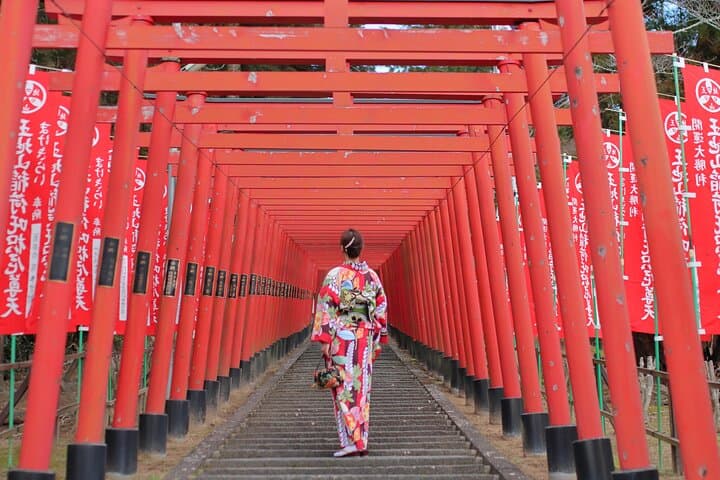
After the fields, the town’s merchant street unfolds with old wooden façades and turned storefronts that feel staged for a period drama. Makekirai Inari’s orange torii punctuate the hill slope—each gate directing footfall—and the air carries the simple, everyday scents of soy and kiln smoke. Nearby Tachikui pottery shops display ash-glazed bowls and thick tea vessels made in a tradition that dates back centuries.
Historically, Sasayama was fortified in the early Edo period as a strategic castle town; the Great Shōin Hall sits where stone walls once rose and now houses samurai armor and civic memory. That blend of agricultural craft and feudal history is the tour’s steady beat: hands-on food, then streets that explain why this valley mattered.
Practical notes: the full private tour runs roughly 8–9 hours and is largely low-impact walking on paved streets and farm paths. Public transit connects from Osaka in about an hour; bring layered clothing for sun or cool hill breezes, comfortable shoes for uneven thresholds, and a small carrier for fragile pottery. Mobility-friendly overall, but not recommended for pregnant travelers or people with serious spinal or cardiac limitations. Book ahead for weekend harvests and tell your guide about food allergies before the daifuku session.
easy.
8–9 hours.
Suitable for most fitness levels; requires light walking and standing for workshops
Expect about 8–9 hours with light walking between farms, shops, and the Hall; most terrain is paved or compact farm paths.
Yes—picking and sampling are included; guides will advise on which berries are ripe and safe to eat.
No—the Great Shōin Hall admission is included; trying on armor or a kimono is optional and may have an extra fee.
Yes—regular trains connect Osaka to Tamba Sasayama in roughly an hour; tours often coordinate meeting points near the station.
Sasayama developed as a planned castle town in the early Edo period; its streets and civic sites reflect that strategic role and local artisanal trades like pottery.
Seasonal strawberry production and tourism are managed on a small-scale basis—respect farm boundaries, avoid trampling beds, and favor local shops to support community stewardship.
Welcome to Japan operates guided outdoor trips and adventures with an emphasis on safety, stewardship, and memorable experiences.
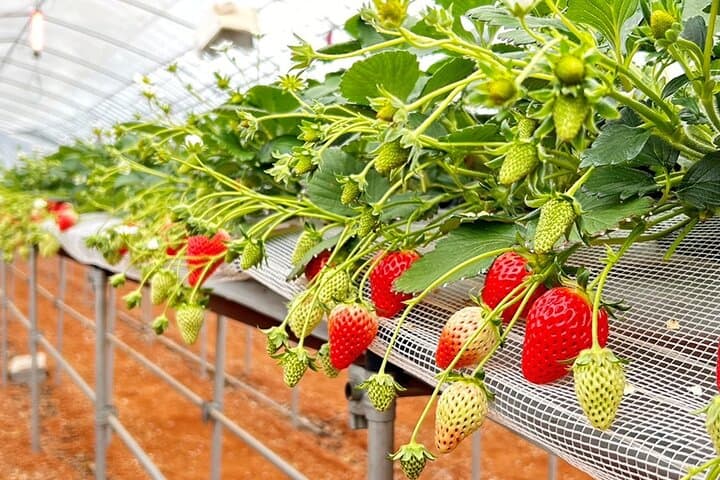
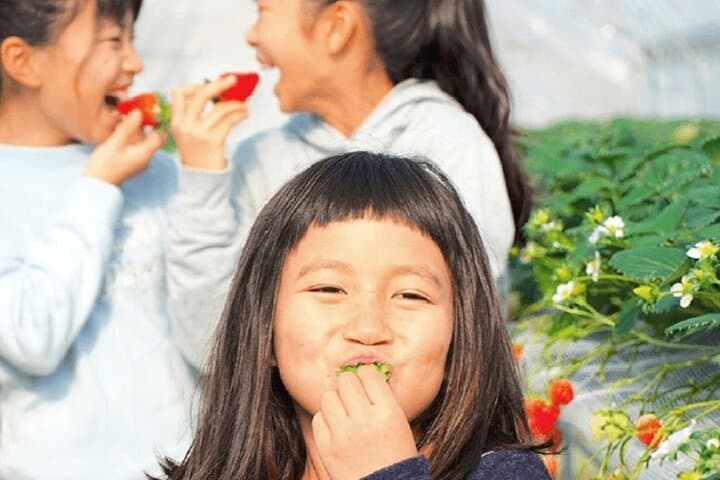
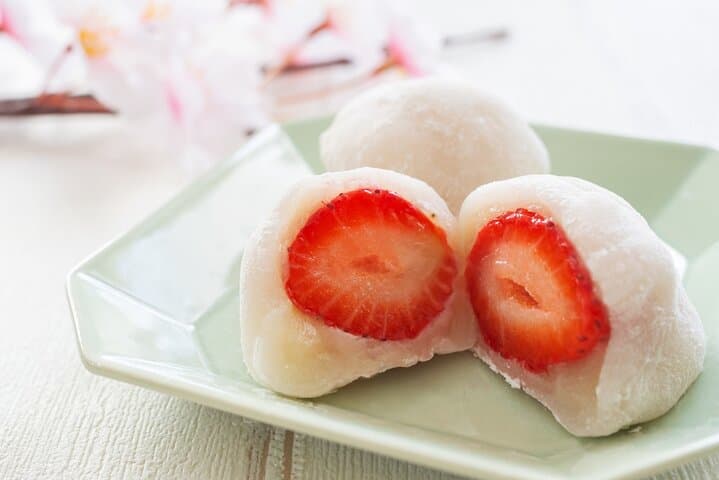
A cool train ride from Osaka spills you into a sharp, folded valley where rows of strawberry plants gleam like bright coins in neat green beds. Morning light leans across the fields as guides hand you scissors and a basket; the berries invite inspection—firm, sweet, sometimes tart—ready to be plucked and turned into daifuku at a low wooden table where flour and laughter mix.
A cool train ride from Osaka spills you into a sharp, folded valley where rows of strawberry plants gleam like bright coins in neat green beds. Morning light leans across the fields as guides hand you scissors and a basket; the berries invite inspection—firm, sweet, sometimes tart—ready to be plucked and turned into daifuku at a low wooden table where flour and laughter mix.
After the fields, the town’s merchant street unfolds with old wooden façades and turned storefronts that feel staged for a period drama. Makekirai Inari’s orange torii punctuate the hill slope—each gate directing footfall—and the air carries the simple, everyday scents of soy and kiln smoke. Nearby Tachikui pottery shops display ash-glazed bowls and thick tea vessels made in a tradition that dates back centuries.
Historically, Sasayama was fortified in the early Edo period as a strategic castle town; the Great Shōin Hall sits where stone walls once rose and now houses samurai armor and civic memory. That blend of agricultural craft and feudal history is the tour’s steady beat: hands-on food, then streets that explain why this valley mattered.
Practical notes: the full private tour runs roughly 8–9 hours and is largely low-impact walking on paved streets and farm paths. Public transit connects from Osaka in about an hour; bring layered clothing for sun or cool hill breezes, comfortable shoes for uneven thresholds, and a small carrier for fragile pottery. Mobility-friendly overall, but not recommended for pregnant travelers or people with serious spinal or cardiac limitations. Book ahead for weekend harvests and tell your guide about food allergies before the daifuku session.