THE ADVENTURE COLLECTIVE® · Independent discovery and booking for outdoor travel

Taste your way through Alsace in a focused 90-minute evening tour of small cellar spaces and bars in Strasbourg’s Krutenau. Learn to read Riesling, Gewurztraminer and other regional varieties while sampling at least six wines with an English-speaking host.
Taste your way through Alsace in a focused 90-minute evening tour of small cellar spaces and bars in Strasbourg’s Krutenau. Learn to read Riesling, Gewurztraminer and other regional varieties while sampling at least six wines with an English-speaking host.
You step off a tram into the Krutenau as dusk softens the city’s stone walls; the smell of yeast and citrus slips from open doors and a guide is already waiting with a tray of small stemmed glasses. For 90 minutes the city’s urban hum narrows into attentive sips — zest of Riesling, the rose spice of Gewurztraminer, the honeyed lift of late-harvest selections — each glass a short walk through Alsace’s slopes.
Verified experiences and guided adventures in the surrounding area.
Operated by Strasbourg Guided Tours · Strasbourg, Grand Est
You step off a tram into the Krutenau as dusk softens the city’s stone walls; the smell of yeast and citrus slips from open doors and a guide is already waiting with a tray of small stemmed glasses. For 90 minutes the city’s urban hum narrows into attentive sips — zest of Riesling, the rose spice of Gewurztraminer, the honeyed lift of late-harvest selections — each glass a short walk through Alsace’s slopes.
Alsace has been a viticultural region since Roman times, its vineyards climbing the Vosges’ eastern foothills where varied soils — granite, limestone, and marl — produce sharply different expressions of the same grape. That geological patchwork explains why Alsace favors whites: Riesling, Gewurztraminer, Pinot Gris, Muscat, Sylvaner and Pinot Blanc dominate, plus local Crémant sparkling styles.
The tasting visits small bars and cellar spaces in intimate groups (max 10), guided in English and focused on education as much as enjoyment. Hosts point out traditional barrels and discuss Grand Cru sites, while the tour highlights both dry and sweet profiles so you can compare terroirs side by side.
Practicalities: the experience runs about 1.5 hours on Thursday–Saturday, accepts mobile tickets, and allows purchases and export of bottles. Bring a valid ID, arrive hydrated but not full, and plan transport — central Strasbourg is well served by trams. For best sensory clarity, move from drier to sweeter wines and avoid strong perfumes that mask aromas. This is a short, approachable way to feel the region’s soils in a glass and leave with targeted buying notes rather than vague impressions.
easy.
1–1.5 hours.
No special fitness required; accessible for most travelers who can stand for short periods
The experience includes at least six different wines, showcasing dry, semi-dry and sweet styles typical of Alsace.
The activity is centered on alcohol tasting and is not recommended for pregnant travelers; non-drinkers should notify the operator in advance for alternatives.
This listing specifies an English-speaking guide; check at booking if you require another language.
Yes — purchases and export are often possible; confirm shipping and customs options with the host before buying.
Alsace’s vineyards date back to Roman settlement; over centuries the region’s shifting borders influenced grape selection and winemaking traditions.
Many producers here practice careful vineyard stewardship to protect hillside soils and biodiversity; visitors are encouraged to avoid single-use plastics and dispose of glass responsibly.
Strasbourg Guided Tours operates guided outdoor trips and adventures with an emphasis on safety, stewardship, and memorable experiences.

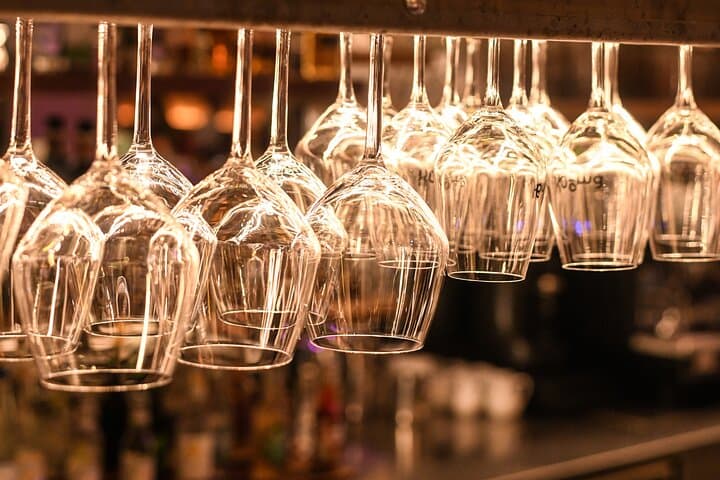

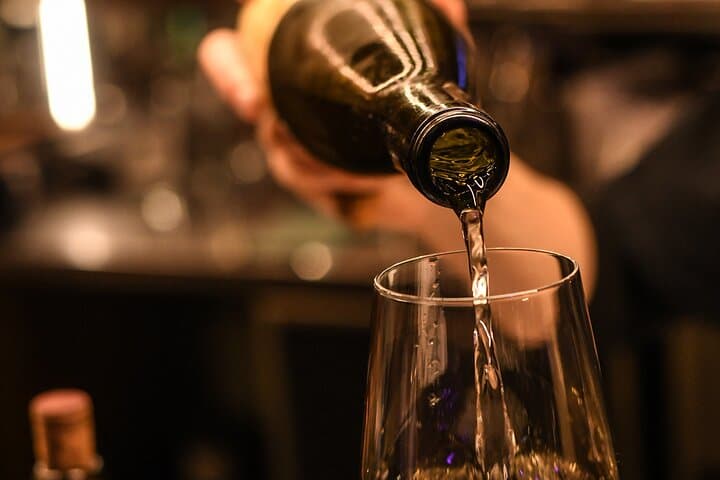
You step off a tram into the Krutenau as dusk softens the city’s stone walls; the smell of yeast and citrus slips from open doors and a guide is already waiting with a tray of small stemmed glasses. For 90 minutes the city’s urban hum narrows into attentive sips — zest of Riesling, the rose spice of Gewurztraminer, the honeyed lift of late-harvest selections — each glass a short walk through Alsace’s slopes.
You step off a tram into the Krutenau as dusk softens the city’s stone walls; the smell of yeast and citrus slips from open doors and a guide is already waiting with a tray of small stemmed glasses. For 90 minutes the city’s urban hum narrows into attentive sips — zest of Riesling, the rose spice of Gewurztraminer, the honeyed lift of late-harvest selections — each glass a short walk through Alsace’s slopes.
Alsace has been a viticultural region since Roman times, its vineyards climbing the Vosges’ eastern foothills where varied soils — granite, limestone, and marl — produce sharply different expressions of the same grape. That geological patchwork explains why Alsace favors whites: Riesling, Gewurztraminer, Pinot Gris, Muscat, Sylvaner and Pinot Blanc dominate, plus local Crémant sparkling styles.
The tasting visits small bars and cellar spaces in intimate groups (max 10), guided in English and focused on education as much as enjoyment. Hosts point out traditional barrels and discuss Grand Cru sites, while the tour highlights both dry and sweet profiles so you can compare terroirs side by side.
Practicalities: the experience runs about 1.5 hours on Thursday–Saturday, accepts mobile tickets, and allows purchases and export of bottles. Bring a valid ID, arrive hydrated but not full, and plan transport — central Strasbourg is well served by trams. For best sensory clarity, move from drier to sweeter wines and avoid strong perfumes that mask aromas. This is a short, approachable way to feel the region’s soils in a glass and leave with targeted buying notes rather than vague impressions.