THE ADVENTURE COLLECTIVE® · Independent discovery and booking for outdoor travel

Walk the streets where Rhine and history meet: a private, three-hour guided tour through Strasbourg’s cathedral quarter, Petite France and civic squares. Expect close-up stories, local insights and cobbled canalside views.
Walk the streets where Rhine and history meet: a private, three-hour guided tour through Strasbourg’s cathedral quarter, Petite France and civic squares. Expect close-up stories, local insights and cobbled canalside views.
Stand on the square where the cathedral’s spire slices the sky and the stone gargoyles seem to lean forward to speak. Cobblestones click underfoot as the Ill river nudges the island district, and timbered houses angle toward narrow canals that chase each other through Petite France.
Verified experiences and guided adventures in the surrounding area.
Operated by Happy Strasbourg · Strasbourg, Grand Est
Stand on the square where the cathedral’s spire slices the sky and the stone gargoyles seem to lean forward to speak. Cobblestones click underfoot as the Ill river nudges the island district, and timbered houses angle toward narrow canals that chase each other through Petite France.
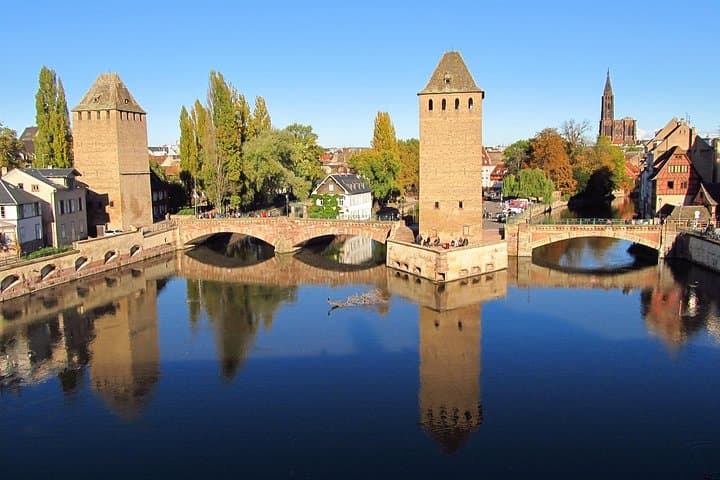
Strasbourg has been a crossroads for 2,000 years — Roman foundations, medieval guilds and the tug between French and German influence that shaped Alsace’s language, cuisine and civic architecture. The cathedral itself is carved from pink Vosges sandstone; its façade and astronomical clock narrate centuries of craftsmanship. Covered Bridges and the Vauban fortifications recall the city’s defensive past, while Kléber and Broglie squares map civic life from revolution to today.
On a private three-hour walk, a local guide points out hidden details: sculpted saints with unexpected faces, a fountain with a riddle, and the layout that placed merchants along the river. The route is roughly 3–4 km of mostly flat, paved streets with cobbles; expect short stops at viewpoints and squares rather than long museum waits (admissions not typically included).
Practical edge: meet in front of Notre‑Dame at Rue Mercière, bring sturdy shoes for uneven stone, and plan mornings or late afternoons to avoid tour-group congestion. The tour is wheelchair- and stroller-accessible on most sections, but cobbles can be bumpy. Carry water, a compact umbrella, and a charged phone for photos—this walk is as much about listening to local stories as it is about looking.
easy.
3 hours.
Suitable for most fitness levels; involves 3–4 km of walking at a relaxed pace with frequent stops
Admission to the cathedral interior is typically not included; guides provide exterior history and can advise on visiting times for self-guided entry.
Most sections are wheelchair- and stroller-accessible, but cobblestones can be uneven—notify the operator ahead if full accessibility is required.
Yes; the private format allows the guide to tailor stops and emphasis to your interests, such as architecture, history or local food.
Guides are local and often speak multiple languages; confirm your preferred language at booking to ensure availability.
Strasbourg’s city center grew around Roman and medieval crossings; Alsace’s position between France and Germany shaped its bilingual culture and distinctive half-timbered architecture.
Historic stone and timber façades require care—stay on marked walkways, avoid touching fragile carvings, and support local conservation by following guide instructions.
Happy Strasbourg operates guided outdoor trips and adventures with an emphasis on safety, stewardship, and memorable experiences.
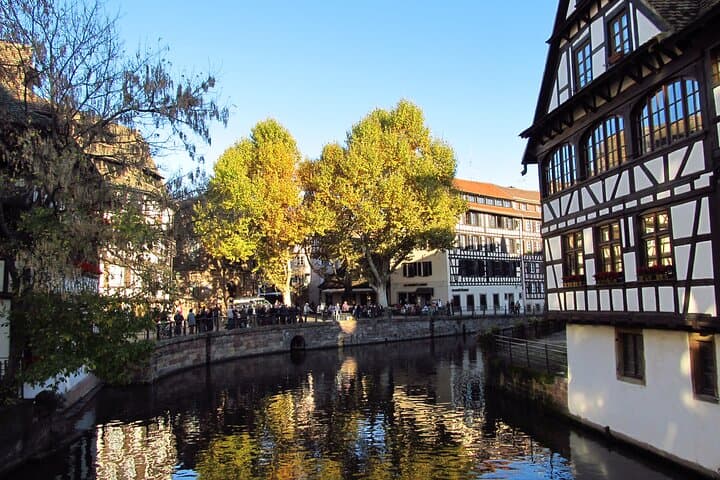
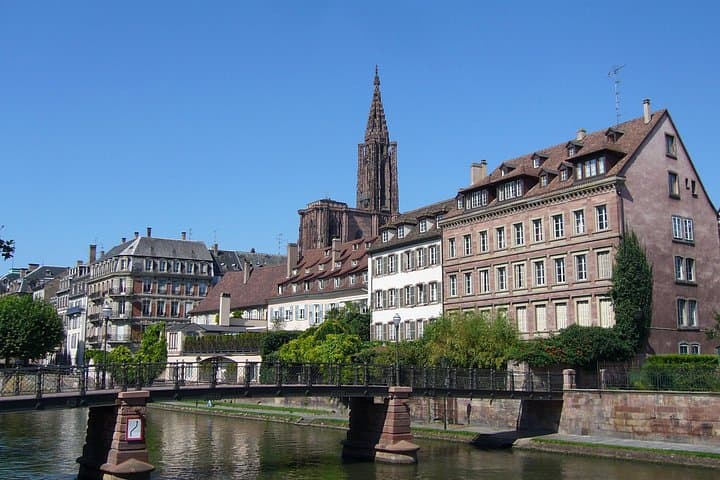
Stand on the square where the cathedral’s spire slices the sky and the stone gargoyles seem to lean forward to speak. Cobblestones click underfoot as the Ill river nudges the island district, and timbered houses angle toward narrow canals that chase each other through Petite France.
Stand on the square where the cathedral’s spire slices the sky and the stone gargoyles seem to lean forward to speak. Cobblestones click underfoot as the Ill river nudges the island district, and timbered houses angle toward narrow canals that chase each other through Petite France.
Strasbourg has been a crossroads for 2,000 years — Roman foundations, medieval guilds and the tug between French and German influence that shaped Alsace’s language, cuisine and civic architecture. The cathedral itself is carved from pink Vosges sandstone; its façade and astronomical clock narrate centuries of craftsmanship. Covered Bridges and the Vauban fortifications recall the city’s defensive past, while Kléber and Broglie squares map civic life from revolution to today.
On a private three-hour walk, a local guide points out hidden details: sculpted saints with unexpected faces, a fountain with a riddle, and the layout that placed merchants along the river. The route is roughly 3–4 km of mostly flat, paved streets with cobbles; expect short stops at viewpoints and squares rather than long museum waits (admissions not typically included).
Practical edge: meet in front of Notre‑Dame at Rue Mercière, bring sturdy shoes for uneven stone, and plan mornings or late afternoons to avoid tour-group congestion. The tour is wheelchair- and stroller-accessible on most sections, but cobbles can be bumpy. Carry water, a compact umbrella, and a charged phone for photos—this walk is as much about listening to local stories as it is about looking.