THE ADVENTURE COLLECTIVE® · Independent discovery and booking for outdoor travel

Explore Strasbourg’s Grande Île with a local guide on a private, customizable 2–3 hour walking tour. Expect medieval streets, La Petite France canals, and practical local tips on food, photos, and hidden viewpoints.
Explore Strasbourg’s Grande Île with a local guide on a private, customizable 2–3 hour walking tour. Expect medieval streets, La Petite France canals, and practical local tips on food, photos, and hidden viewpoints.
You step out onto Place Kléber and the city breathes around you: cobbled stones underfoot, the Ill river turning like a deliberate thought, and the cathedral's spire slicing a clear sky. A local guide folds history into the corners of the streets—pointing out the narrowest house, pausing at a canal where swans preen as if on call for an audience.
Verified experiences and guided adventures in the surrounding area.
Operated by Elora Journey · Strasbourg, Grand Est
You step out onto Place Kléber and the city breathes around you: cobbled stones underfoot, the Ill river turning like a deliberate thought, and the cathedral's spire slicing a clear sky. A local guide folds history into the corners of the streets—pointing out the narrowest house, pausing at a canal where swans preen as if on call for an audience.
Strasbourg sits on the Grande Île, a UNESCO World Heritage center shaped by centuries of Franco‑German exchange. The city's Gothic cathedral, timbered houses of La Petite France, and the Vauban dam tell stories of medieval trade, military engineering and river management. Geology is subtle here: alluvial plains and the Ill's meanders shaped the urban plan and the riverside quays you’ll walk.
Culturally the tour is practical and local: expect insider tips on where to taste tarte flambée, buy Alsatian pottery, or frame the best photo without the crowd. Guides tailor the route — quieter residential lanes, the panoramic terrace at the Covered Bridges, or a longer café stop — depending on your interests.
Plan for 2–3 hours of standing and walking on mostly flat cobbles and paved paths. Wear supportive shoes, carry a light rain layer, and keep a reusable bottle; Strasbourg’s public taps and cafés make refills easy. If you’re visiting in late November–December, schedule around market hours and expect heavier crowds. Book a private guide to get context you won’t find on plaques: the city’s layers are revealed by someone who walks them every day.
easy.
2–3 hours.
Suitable for most fitness levels — requires comfortable standing and walking for a couple of hours on flat to uneven city surfaces.
The guide meets guests in front of the Starbucks at Place Kléber; after booking they’ll confirm the exact spot via WhatsApp.
Yes — the tour is private and customizable; tell your guide your interests after booking to shape stops and pacing.
Most streets on the Grande Île are accessible, but some alleys and cobbled sections can be uneven; notify the guide if you need full accessibility and they’ll plan a suitable route.
Booking is made online; tipping is discretionary but appreciated — cash or electronic tips are fine and go directly to the independent guide.
Strasbourg’s Grande Île reflects centuries of Franco‑German influence; the Gothic cathedral dominated medieval life while river engineering shaped defenses and trade.
Support independent guides who keep tour sizes small, stick to marked paths, and respect canal banks; avoid littering and use refillable bottles to reduce plastic waste.
Elora Journey operates guided outdoor trips and adventures with an emphasis on safety, stewardship, and memorable experiences.
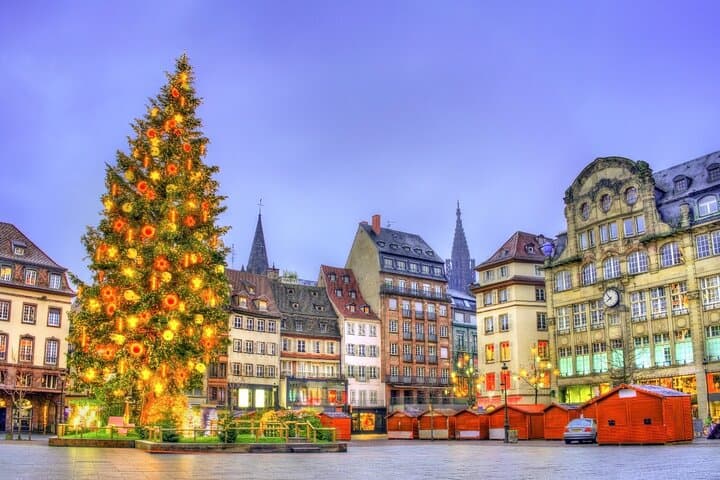

You step out onto Place Kléber and the city breathes around you: cobbled stones underfoot, the Ill river turning like a deliberate thought, and the cathedral's spire slicing a clear sky. A local guide folds history into the corners of the streets—pointing out the narrowest house, pausing at a canal where swans preen as if on call for an audience.
You step out onto Place Kléber and the city breathes around you: cobbled stones underfoot, the Ill river turning like a deliberate thought, and the cathedral's spire slicing a clear sky. A local guide folds history into the corners of the streets—pointing out the narrowest house, pausing at a canal where swans preen as if on call for an audience.
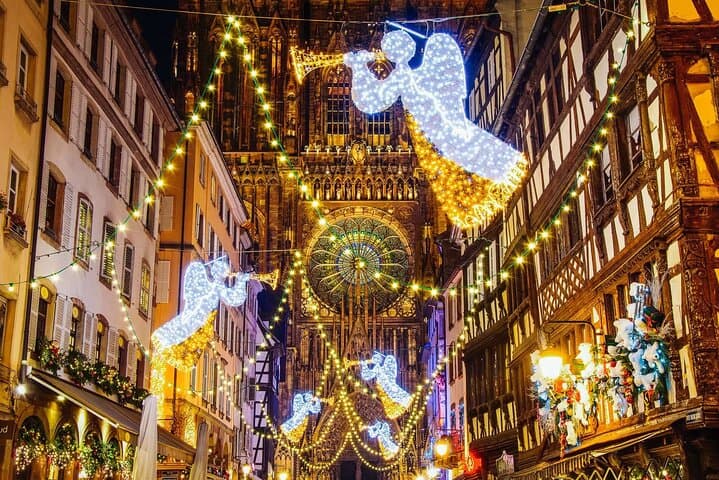
Strasbourg sits on the Grande Île, a UNESCO World Heritage center shaped by centuries of Franco‑German exchange. The city's Gothic cathedral, timbered houses of La Petite France, and the Vauban dam tell stories of medieval trade, military engineering and river management. Geology is subtle here: alluvial plains and the Ill's meanders shaped the urban plan and the riverside quays you’ll walk.
Culturally the tour is practical and local: expect insider tips on where to taste tarte flambée, buy Alsatian pottery, or frame the best photo without the crowd. Guides tailor the route — quieter residential lanes, the panoramic terrace at the Covered Bridges, or a longer café stop — depending on your interests.
Plan for 2–3 hours of standing and walking on mostly flat cobbles and paved paths. Wear supportive shoes, carry a light rain layer, and keep a reusable bottle; Strasbourg’s public taps and cafés make refills easy. If you’re visiting in late November–December, schedule around market hours and expect heavier crowds. Book a private guide to get context you won’t find on plaques: the city’s layers are revealed by someone who walks them every day.