THE ADVENTURE COLLECTIVE® · Independent discovery and booking for outdoor travel

Discover Strasbourg’s cathedral, Petite France and lesser-known corners on a spirited two-hour walking tour led by a local guide. Expect cobbled streets, architectural highlights, and historical anecdotes that bring the city’s past into the present.
Discover Strasbourg’s cathedral, Petite France and lesser-known corners on a spirited two-hour walking tour led by a local guide. Expect cobbled streets, architectural highlights, and historical anecdotes that bring the city’s past into the present.
You step out beneath the red umbrella at Place Kléber and the city opens like a map of layered eras—stone, timber, and water guiding your steps. The guide leads you toward the cathedral whose pink sandstone shifts tone with the hour, while the Ill River threads through courtyards and canals that seem to dare you to look closer.
Verified experiences and guided adventures in the surrounding area.
Operated by Free Tour Europe · Strasbourg, Grand Est
You step out beneath the red umbrella at Place Kléber and the city opens like a map of layered eras—stone, timber, and water guiding your steps. The guide leads you toward the cathedral whose pink sandstone shifts tone with the hour, while the Ill River threads through courtyards and canals that seem to dare you to look closer.
This two-hour walk moves fast but thoughtfully: Gothic spires that once marked Europe’s tallest tower, half-timbered merchant houses from the German Renaissance, and 17th–18th century civic façades that reflect Strasbourg’s shifting political borders between France and Germany. Geologically the city sits on alluvial plains with the Ill’s channels shaped by centuries of human engineering—mills, defensive weirs and the Vauban-era barrage that now frames panoramic views of Petite France.
Culturally the tour touches on Strasbourg’s printmaking legacy, its role as a Rhine crossroads, and local anecdotes that don’t make guidebooks—street names that remember trades, plaques that mark wartime memory, and the market rhythms that still shape daily life.
Practical guidance: expect 1.5–2 miles of walking on cobbles and occasional steps; comfortable, grippy shoes matter. The route is compact—plan photos at the cathedral and Petite France early to avoid crowds. Bring a light layer for canal breezes and a charged phone for quick translations or the occasional ticket scan. If you want fewer people, choose a morning slot; for atmosphere, book near the holiday season when Kléber’s tree anchors the square.
easy.
2 hours.
Suitable for all fitness levels; requires standing and walking on uneven surfaces for up to two hours.
Meet at Place Kléber under the large Christmas-tree area (the guide will carry a red umbrella); arrive 5–10 minutes early.
Yes—paths are stroller accessible in most places, though cobbles can be bumpy; guides can adapt pace for families.
This listing is typically offered in English; check the booking page for language options or private-tour requests.
Full refunds are available if you cancel at least 24 hours before departure; tours may be canceled for bad weather or low enrollment.
Strasbourg’s architecture reflects alternating French and German rule; the cathedral was Europe’s tallest building for centuries and the city’s printing and river trade shaped its regional importance.
The historic center is part of active preservation efforts; visitors are encouraged to stay on paths, avoid feeding wildlife, and use refillable bottles to reduce waste.
Free Tour Europe operates guided outdoor trips and adventures with an emphasis on safety, stewardship, and memorable experiences.
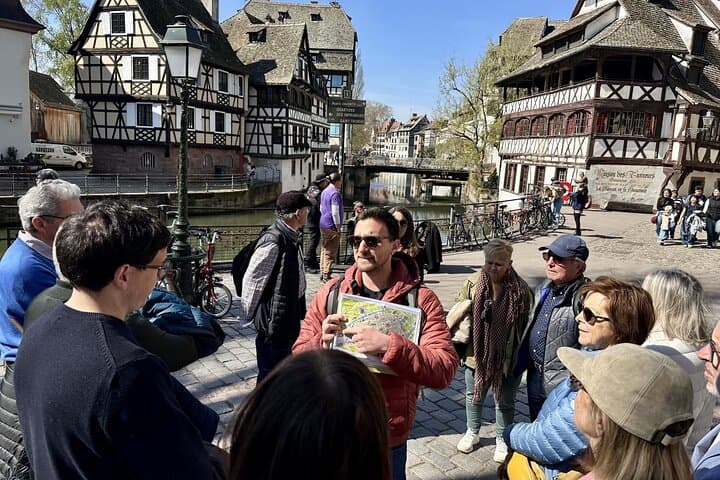
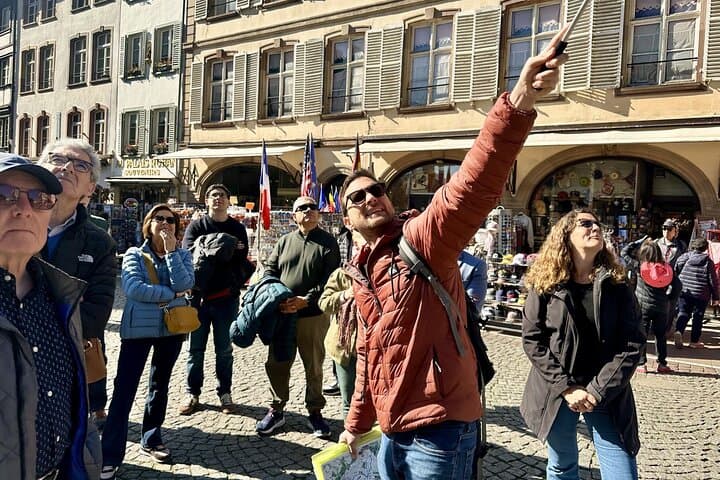
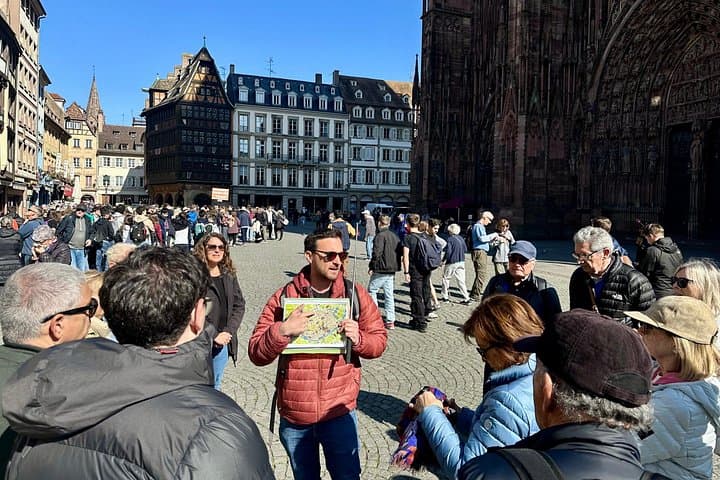
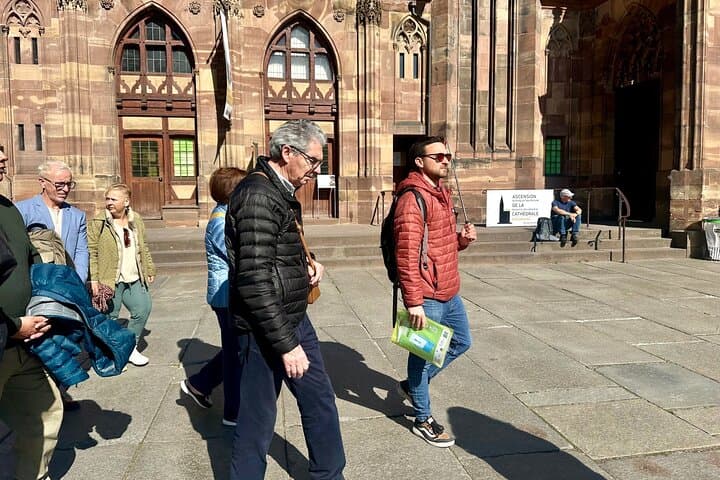
You step out beneath the red umbrella at Place Kléber and the city opens like a map of layered eras—stone, timber, and water guiding your steps. The guide leads you toward the cathedral whose pink sandstone shifts tone with the hour, while the Ill River threads through courtyards and canals that seem to dare you to look closer.
You step out beneath the red umbrella at Place Kléber and the city opens like a map of layered eras—stone, timber, and water guiding your steps. The guide leads you toward the cathedral whose pink sandstone shifts tone with the hour, while the Ill River threads through courtyards and canals that seem to dare you to look closer.
This two-hour walk moves fast but thoughtfully: Gothic spires that once marked Europe’s tallest tower, half-timbered merchant houses from the German Renaissance, and 17th–18th century civic façades that reflect Strasbourg’s shifting political borders between France and Germany. Geologically the city sits on alluvial plains with the Ill’s channels shaped by centuries of human engineering—mills, defensive weirs and the Vauban-era barrage that now frames panoramic views of Petite France.
Culturally the tour touches on Strasbourg’s printmaking legacy, its role as a Rhine crossroads, and local anecdotes that don’t make guidebooks—street names that remember trades, plaques that mark wartime memory, and the market rhythms that still shape daily life.
Practical guidance: expect 1.5–2 miles of walking on cobbles and occasional steps; comfortable, grippy shoes matter. The route is compact—plan photos at the cathedral and Petite France early to avoid crowds. Bring a light layer for canal breezes and a charged phone for quick translations or the occasional ticket scan. If you want fewer people, choose a morning slot; for atmosphere, book near the holiday season when Kléber’s tree anchors the square.