THE ADVENTURE COLLECTIVE® · Independent discovery and booking for outdoor travel

Walk Strasbourg’s streets with a local guide who threads Roman outposts, Gothic cathedral stones, and the German‑era Neustadt into a three‑hour narrative. Expect cobbles, canals, and UNESCO‑protected architecture paired with practical tips for navigating the city.
Walk Strasbourg’s streets with a local guide who threads Roman outposts, Gothic cathedral stones, and the German‑era Neustadt into a three‑hour narrative. Expect cobbles, canals, and UNESCO‑protected architecture paired with practical tips for navigating the city.
You step off at Place d'Austerlitz beside the three-dimensional city model, the echo of tram brakes and the river Ill nudging you toward narrow streets. Sunlight slides across half-timbered façades in La Petite France while the cathedral’s south face keeps its watch; the city opens like a ledger of events that shaped Europe.
Verified experiences and guided adventures in the surrounding area.
Operated by Maxime Laravine · Strasbourg, Grand Est
You step off at Place d'Austerlitz beside the three-dimensional city model, the echo of tram brakes and the river Ill nudging you toward narrow streets. Sunlight slides across half-timbered façades in La Petite France while the cathedral’s south face keeps its watch; the city opens like a ledger of events that shaped Europe.
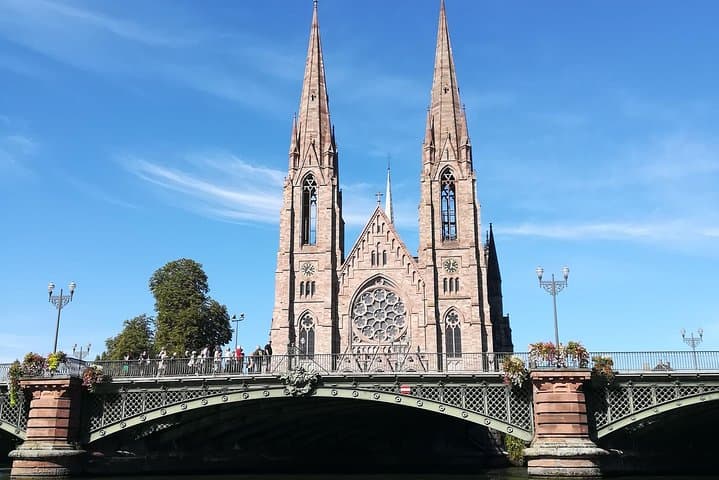
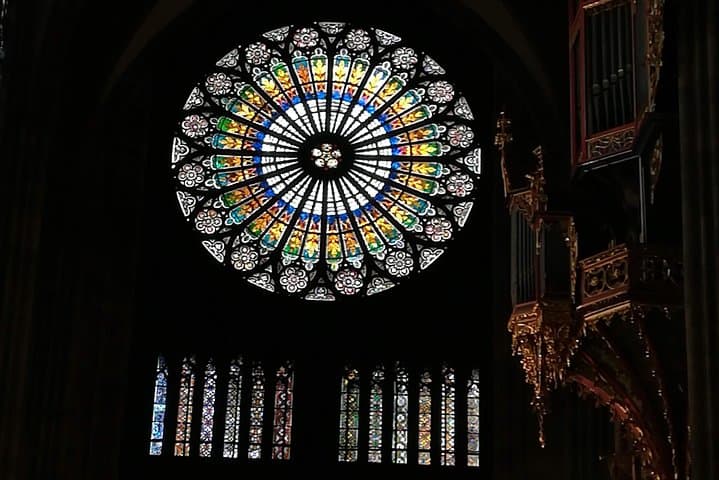
This three‑hour private walk threads Roman Argentoratum, medieval trade, and Franco‑German crossroads. Expect talk of Clovis and Vauban, the German‑era Neustadt with its late‑19th‑century boulevards (UNESCO‑protected since 2017), and Republic and Broglie squares where military columns and opera houses mark civic ambition. Gutenberg Square points to the printing revolution; the guide frames the cathedral from outside, explaining its pink sandstone, Gothic engineering, and role in civic life rather than an interior tour.
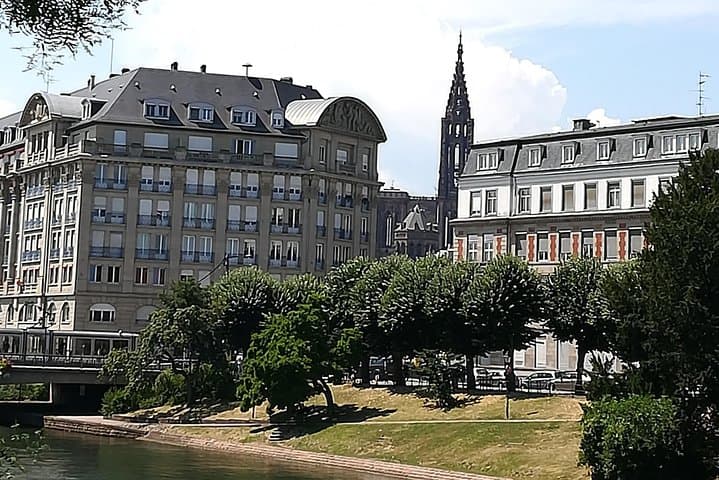
The route favors paved streets and historic cobbles; you'll pass canal locks, timbered houses, and wide plazas. The Ill river can feel like a guide, steering your view across bridges and quay cafés. Cultural context is practical: how transport, commerce, and contested borders shaped neighborhoods you’ll see.
Plan for variable city weather and uneven ground—comfortable shoes and a layerable jacket matter more than formal attire. Mornings are quieter for photos; afternoons bring trams and shoppers. The meeting point is the Austerlitz Square 3D model (next to Molly Malone’s); the tour is wheelchair‑accessible but expect some cobble vibration. Bring water, charge your camera, and leave time after the tour for the cathedral plaza or a canal-side café to digest three millennia of history.
moderate.
3 hours.
Moderate fitness for continuous walking on uneven surfaces; able to stand and walk for several hours with short breaks.
The guide meets at Place d'Austerlitz in front of the 3D city model, next to Molly Malone's pub—arrive 10 minutes early.
No — the tour highlights the cathedral’s exterior and history; interior visits require separate admission and time.
Yes, strollers are accommodated, though some streets and cobbles can be bumpy; supervision recommended near canals.
Full refunds are available if cancelled at least 24 hours before departure; the operator may cancel in bad weather.
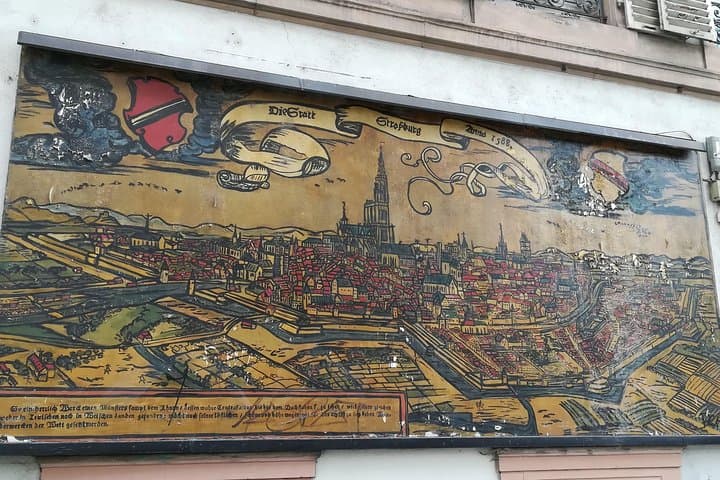
Strasbourg grew from the Roman camp Argentoratum into a medieval trading hub and later a contested Franco‑German city; its Grande Île is UNESCO‑listed for its preserved urban fabric.
Grande Île and the Neustadt are protected; visitors are encouraged to stay on paths, avoid littering, and respect fragile stonework and waterways.
Maxime Laravine operates guided outdoor trips and adventures with an emphasis on safety, stewardship, and memorable experiences.
You step off at Place d'Austerlitz beside the three-dimensional city model, the echo of tram brakes and the river Ill nudging you toward narrow streets. Sunlight slides across half-timbered façades in La Petite France while the cathedral’s south face keeps its watch; the city opens like a ledger of events that shaped Europe.
You step off at Place d'Austerlitz beside the three-dimensional city model, the echo of tram brakes and the river Ill nudging you toward narrow streets. Sunlight slides across half-timbered façades in La Petite France while the cathedral’s south face keeps its watch; the city opens like a ledger of events that shaped Europe.
This three‑hour private walk threads Roman Argentoratum, medieval trade, and Franco‑German crossroads. Expect talk of Clovis and Vauban, the German‑era Neustadt with its late‑19th‑century boulevards (UNESCO‑protected since 2017), and Republic and Broglie squares where military columns and opera houses mark civic ambition. Gutenberg Square points to the printing revolution; the guide frames the cathedral from outside, explaining its pink sandstone, Gothic engineering, and role in civic life rather than an interior tour.
The route favors paved streets and historic cobbles; you'll pass canal locks, timbered houses, and wide plazas. The Ill river can feel like a guide, steering your view across bridges and quay cafés. Cultural context is practical: how transport, commerce, and contested borders shaped neighborhoods you’ll see.
Plan for variable city weather and uneven ground—comfortable shoes and a layerable jacket matter more than formal attire. Mornings are quieter for photos; afternoons bring trams and shoppers. The meeting point is the Austerlitz Square 3D model (next to Molly Malone’s); the tour is wheelchair‑accessible but expect some cobble vibration. Bring water, charge your camera, and leave time after the tour for the cathedral plaza or a canal-side café to digest three millennia of history.