THE ADVENTURE COLLECTIVE® · Independent discovery and booking for outdoor travel

Explore Strasbourg’s cathedral spire, fortified bridges and half-timbered lanes on a three-hour private walking tour. This concise guide explains what to expect—terrain, history, and practical tips to make the most of your visit.
Explore Strasbourg’s cathedral spire, fortified bridges and half-timbered lanes on a three-hour private walking tour. This concise guide explains what to expect—terrain, history, and practical tips to make the most of your visit.
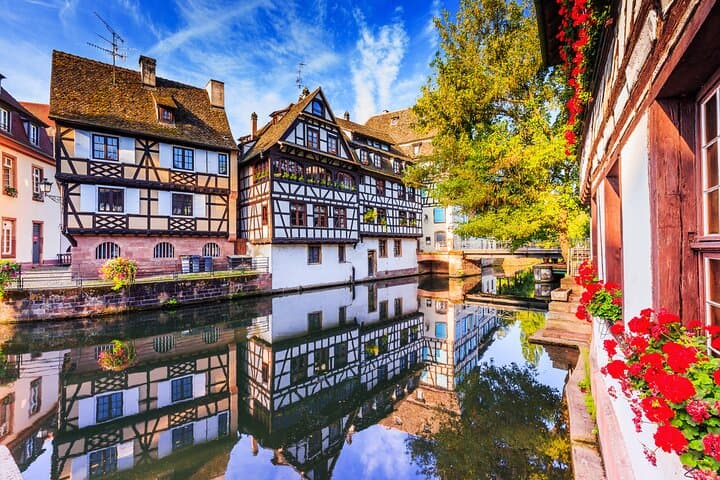
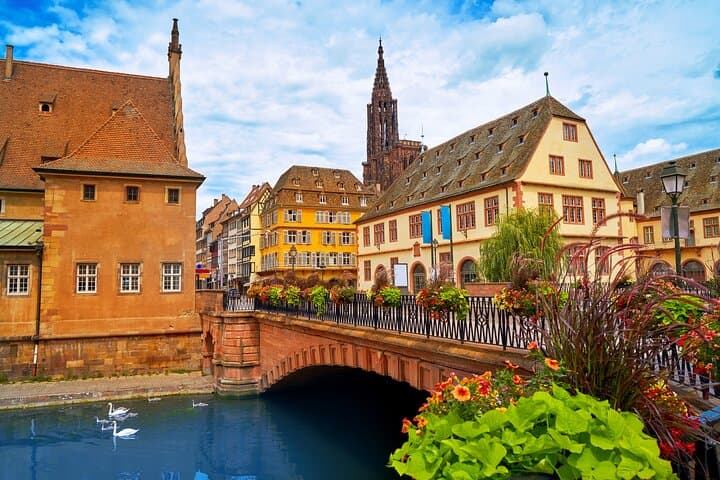
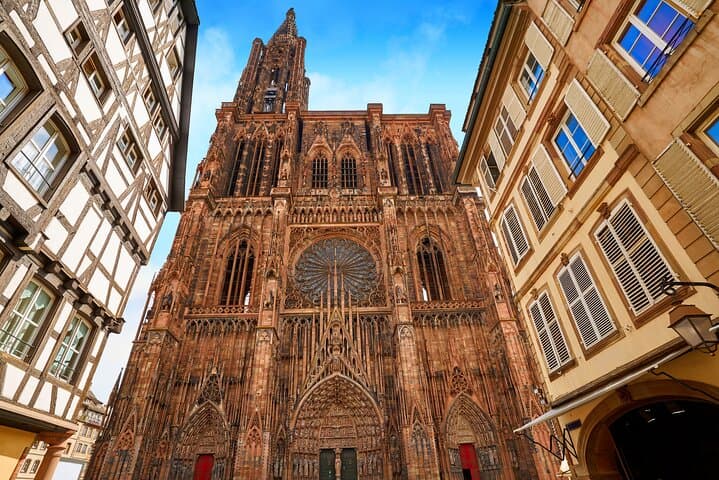
Morning light slides across the Ill River and the timber-framed houses of Petite France seem to lean in to listen. A private guide opens the story at the foot of the Cathedral of Our Lady—Gothic stonework that points skyward and an astronomical clock that keeps quiet company with passing trams. Walks here feel kinetic: canals tug at attention, bridges invite pause, and cobbles set the rhythm of the day.
Verified experiences and guided adventures in the surrounding area.
Operated by Pink Umbrella Tours Corporate Events and Team Building · Strasbourg, Grand Est
Morning light slides across the Ill River and the timber-framed houses of Petite France seem to lean in to listen. A private guide opens the story at the foot of the Cathedral of Our Lady—Gothic stonework that points skyward and an astronomical clock that keeps quiet company with passing trams. Walks here feel kinetic: canals tug at attention, bridges invite pause, and cobbles set the rhythm of the day.
Strasbourg sits on the Rhine’s alluvial plain where the Vosges fold into the horizon; its medieval core grew where water and trade converged. Centuries of shifting borders—Germanic and French rule—left a hybrid of baroque palaces, Protestant churches, and Alsatian vernacular houses. La Petite France preserves the old trades of tanners and millers in narrow alleys and sluiced courtyards, while the Barrage Vauban re-engineered the river in the 17th century.
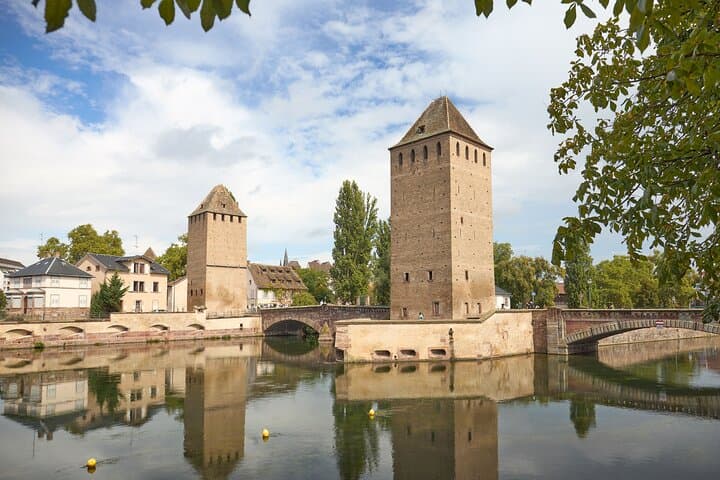
Practical guidance shapes the experience: this private, three-hour walking tour covers mostly cobblestones and narrow lanes, so comfortable, broken-in shoes matter. Expect 2–3 miles of walking with frequent stops for history and photo viewpoints—Ponts Couverts and Rue du Bain-aux-Plantes among them. Public transit is nearby; the meeting point is the tourism office at the cathedral. The tour suits most fitness levels but be ready for uneven surfaces and occasional stairs inside sites.
Bring a lightweight rain layer, a charged phone for photos, and a small wish to linger—this is a city that rewards slow steps and curious questions.
easy.
2–3 hours.
Suitable for most fitness levels; participants should be comfortable walking 2–4 miles on uneven cobbles and short staircases.
The meeting point is in front of the Strasbourg tourism office by the Cathedral of Our Lady—arrive 10 minutes early to check in.
Much of the route uses cobbled streets and some sites have steps; while the tour is labeled physically easy, full wheelchair accessibility is limited—contact the operator to confirm accommodations.
This private walking tour highlights exteriors and history; admissions to paid museums or cathedral towers are typically not included unless specified.
Guides often speak English and French; confirm your preferred language when booking to ensure availability.
Strasbourg’s Grande Île became a UNESCO World Heritage site for its cohesive medieval urban fabric; the city’s architecture reflects alternating French and German rule across centuries.
City conservation focuses on preserving historic fabric while managing river flow; visitors are encouraged to stick to paths, avoid littering canals, and support local, sustainable businesses.
Pink Umbrella Tours Corporate Events and Team Building operates guided outdoor trips and adventures with an emphasis on safety, stewardship, and memorable experiences.
Morning light slides across the Ill River and the timber-framed houses of Petite France seem to lean in to listen. A private guide opens the story at the foot of the Cathedral of Our Lady—Gothic stonework that points skyward and an astronomical clock that keeps quiet company with passing trams. Walks here feel kinetic: canals tug at attention, bridges invite pause, and cobbles set the rhythm of the day.
Morning light slides across the Ill River and the timber-framed houses of Petite France seem to lean in to listen. A private guide opens the story at the foot of the Cathedral of Our Lady—Gothic stonework that points skyward and an astronomical clock that keeps quiet company with passing trams. Walks here feel kinetic: canals tug at attention, bridges invite pause, and cobbles set the rhythm of the day.
Strasbourg sits on the Rhine’s alluvial plain where the Vosges fold into the horizon; its medieval core grew where water and trade converged. Centuries of shifting borders—Germanic and French rule—left a hybrid of baroque palaces, Protestant churches, and Alsatian vernacular houses. La Petite France preserves the old trades of tanners and millers in narrow alleys and sluiced courtyards, while the Barrage Vauban re-engineered the river in the 17th century.
Practical guidance shapes the experience: this private, three-hour walking tour covers mostly cobblestones and narrow lanes, so comfortable, broken-in shoes matter. Expect 2–3 miles of walking with frequent stops for history and photo viewpoints—Ponts Couverts and Rue du Bain-aux-Plantes among them. Public transit is nearby; the meeting point is the tourism office at the cathedral. The tour suits most fitness levels but be ready for uneven surfaces and occasional stairs inside sites.
Bring a lightweight rain layer, a charged phone for photos, and a small wish to linger—this is a city that rewards slow steps and curious questions.