THE ADVENTURE COLLECTIVE® · Independent discovery and booking for outdoor travel

Explore Strahov Monastery’s iconic Library, basilica and gardens on a private, skip‑the‑line walking tour through Prague’s Hradčany district. Expect frescoed halls, terrace views over the city and a paced, personalized guide-led experience.
Explore Strahov Monastery’s iconic Library, basilica and gardens on a private, skip‑the‑line walking tour through Prague’s Hradčany district. Expect frescoed halls, terrace views over the city and a paced, personalized guide-led experience.
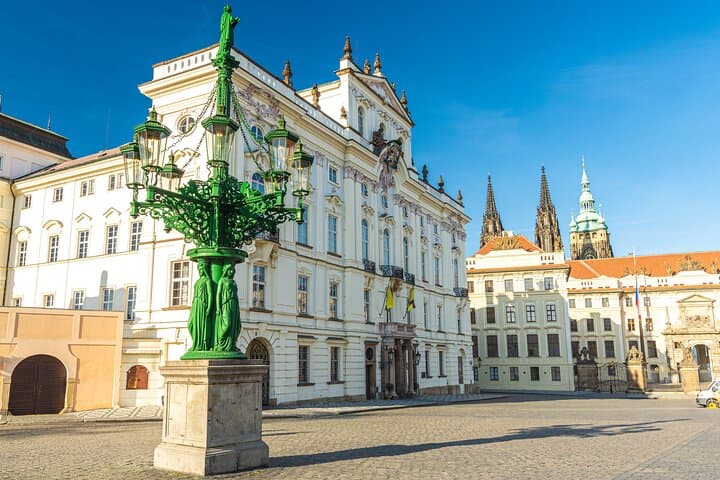
You step off Hradčany Square and the city’s pulse slows: cobbles give way to a broad monastic courtyard where centuries of ink and argument hang in the air like a scent. Your guide opens a gate, and the Strahov complex—its basilica, cloisters and the famous Library—unfurls across three hours of close-up history and viewscapes.
Verified experiences and guided adventures in the surrounding area.
Operated by Rosotravel - Ostrava City Tours · Prague, Prague
You step off Hradčany Square and the city’s pulse slows: cobbles give way to a broad monastic courtyard where centuries of ink and argument hang in the air like a scent. Your guide opens a gate, and the Strahov complex—its basilica, cloisters and the famous Library—unfurls across three hours of close-up history and viewscapes.
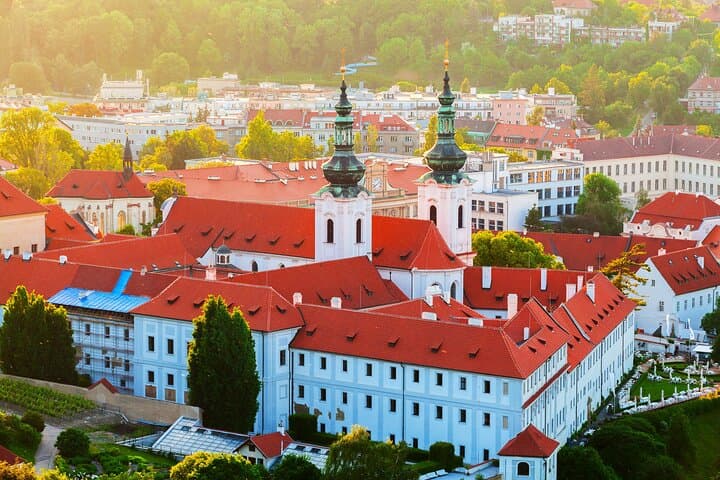
Founded in the 12th century by the Premonstratensian order, Strahov survived fires, imperial redesigns and political upheaval; its two showpiece halls date to the Baroque and late-Rococo periods. The Theological and Philosophical Halls are architectural stages—frescoed ceilings, carved bookcases and old-world reading desks—built to protect manuscripts from both time and ideology. From the monastery terraces you get a pragmatic panorama of Prague: red roofs falling toward the Vltava and the distant sweep of Petřín.
This is a city-walking experience with an indoor core: expect 25–30 minutes of standing and short walks, some steps and uneven stone underfoot. Your guide will steer between art-historical anecdotes and practical notes—where manuscripts came from, how the library was cataloged, and why photography is restricted in certain rooms.
Plan for variable Prague weather, skip-the-line entry and a moderate pace that suits most travelers. Wear comfortable shoes, carry a small daypack for a water bottle and light layers, and arrive with curiosity—Strahov rewards attention to detail and the kind of quiet that makes old books feel conversational.
easy.
3 hours.
Light fitness required: able to stand and walk short distances over uneven stone and stairs.
Yes—the operator indicates wheelchair-accessible routes; contact the provider ahead to confirm the specific access and any adaptations required.
Skip-the-line access bypasses ticket office queues but not entrance security or bag checks—factor a few extra minutes for this.
Infants in strollers are accepted; the guide will adjust pace and route for families, though some rooms have limited space.
Photography policy varies by room and exhibition—ask your guide on arrival to avoid restricted areas and help preserve the collections.
Strahov Monastery dates to the 12th century; its two principal library halls were largely constructed and decorated during the 17th–18th centuries and have played a role in preserving manuscripts through wars and regime changes.
The monastery and library manage visitor flow and photography restrictions to protect delicate frescoes and bindings; visitors are asked not to touch artifacts and to follow guide instructions.
Rosotravel - Ostrava City Tours operates guided outdoor trips and adventures with an emphasis on safety, stewardship, and memorable experiences.

You step off Hradčany Square and the city’s pulse slows: cobbles give way to a broad monastic courtyard where centuries of ink and argument hang in the air like a scent. Your guide opens a gate, and the Strahov complex—its basilica, cloisters and the famous Library—unfurls across three hours of close-up history and viewscapes.
You step off Hradčany Square and the city’s pulse slows: cobbles give way to a broad monastic courtyard where centuries of ink and argument hang in the air like a scent. Your guide opens a gate, and the Strahov complex—its basilica, cloisters and the famous Library—unfurls across three hours of close-up history and viewscapes.
Founded in the 12th century by the Premonstratensian order, Strahov survived fires, imperial redesigns and political upheaval; its two showpiece halls date to the Baroque and late-Rococo periods. The Theological and Philosophical Halls are architectural stages—frescoed ceilings, carved bookcases and old-world reading desks—built to protect manuscripts from both time and ideology. From the monastery terraces you get a pragmatic panorama of Prague: red roofs falling toward the Vltava and the distant sweep of Petřín.
This is a city-walking experience with an indoor core: expect 25–30 minutes of standing and short walks, some steps and uneven stone underfoot. Your guide will steer between art-historical anecdotes and practical notes—where manuscripts came from, how the library was cataloged, and why photography is restricted in certain rooms.
Plan for variable Prague weather, skip-the-line entry and a moderate pace that suits most travelers. Wear comfortable shoes, carry a small daypack for a water bottle and light layers, and arrive with curiosity—Strahov rewards attention to detail and the kind of quiet that makes old books feel conversational.