THE ADVENTURE COLLECTIVE® · Independent discovery and booking for outdoor travel

Leave the restored sections behind and spend a full day on an unrestored, wild stretch of the Great Wall in the Taihang foothills. Expect scrambles, ruined watchtowers and sweeping mountain views on this rugged, historically rich trek.
Leave the restored sections behind and spend a full day on an unrestored, wild stretch of the Great Wall in the Taihang foothills. Expect scrambles, ruined watchtowers and sweeping mountain views on this rugged, historically rich trek.
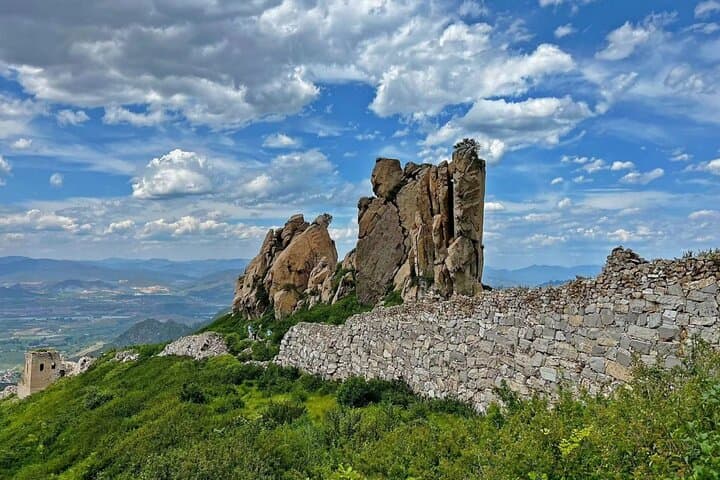
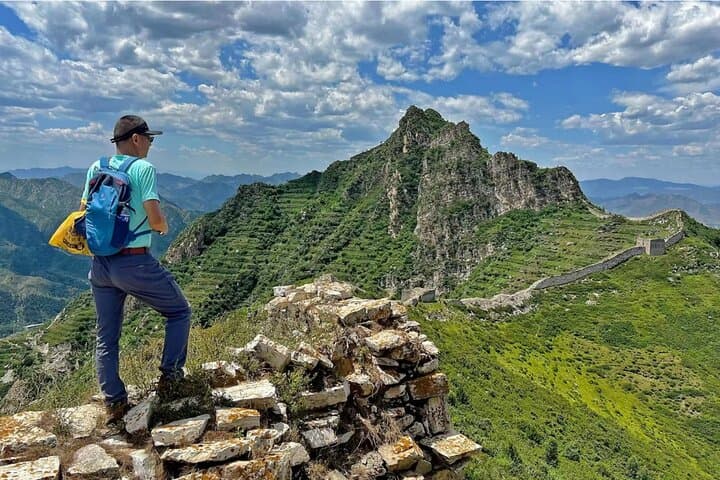
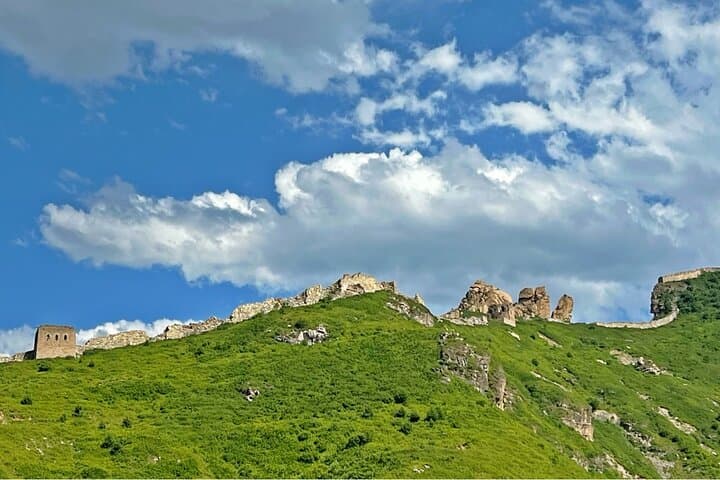
The morning light slices through mountain mist as a narrow trail leads away from the last paved road and into the Taihang foothills. Shrub-guarded slopes open onto a broken line of stone — the wild Great Wall — where ruined watchtowers lean into the wind and flagstones dare you to find a footing. This is not a tidy tourist stretch; it is a working landscape of weathered masonry, meadow terraces, and steep scrambles.
Verified experiences and guided adventures in the surrounding area.
Operated by Leon Wang's Private Tours · Beijing, Beijing
The morning light slices through mountain mist as a narrow trail leads away from the last paved road and into the Taihang foothills. Shrub-guarded slopes open onto a broken line of stone — the wild Great Wall — where ruined watchtowers lean into the wind and flagstones dare you to find a footing. This is not a tidy tourist stretch; it is a working landscape of weathered masonry, meadow terraces, and steep scrambles.
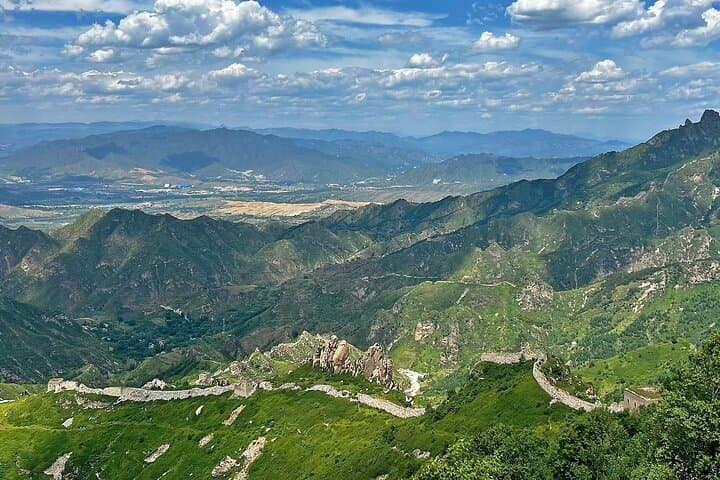
Built and rebuilt over centuries, this stretch reflects Ming-era military strategy more than modern tourism. Geologically the mountains are folded, flinty ridgelines carved by wind and seasonal runoff; the wall follows those ribs, sometimes perched on narrow crests, sometimes sunk into gullies. Local villagers historically used these passes for shepherding and grain routes; today you’ll pass old terraced fields and occasional stone shelters.
Expect uneven terrain, loose rock and sections of steep ascent and descent. The route rewards persistence with broad mountain views, ruined towers half-swallowed by thorn and grass, and a strong sense of calling across history. Guides often narrate Ming–nomad conflicts and point out construction techniques visible in the masonry.
Practical guidance: carry 2–3 liters of water, boots with solid ankle support, and layered clothing for wind and sun. Start early to avoid afternoon heat and allow 8–10 hours for round trip including lunch and stops. The operator provides private transport, bottled water, and an experienced English-speaking guide; bring snacks, sun protection and a compact first-aid kit. Respect fragile terraces and pack out all trash — this is wild wall stewardship as much as a hike.
challenging.
8–10 hours.
Moderate to strong cardio and leg strength; comfortable with long ascents, descents and occasional scrambling.
The operator lists about 2–2.5 hours each way depending on traffic; the full excursion runs roughly 8–10 hours including transport and hiking.
No technical climbing is required, but you should be comfortable with steep hiking, short scrambles and uneven surfaces.
These unrestored stretches typically have no formal ticketing, but access is controlled by local land use—your tour operator handles logistics and access.
A moderate to high fitness level is recommended: expect sustained elevation changes and long hours on your feet.
This stretch reflects Ming-era frontier fortifications built to monitor passes and deter northern incursions; many towers were later abandoned as military priorities shifted.
The unrepaired wall and surrounding meadows are ecologically sensitive; stick to worn routes, avoid moving stones, and pack out all waste to protect both heritage and habitat.
Leon Wang's Private Tours operates guided outdoor trips and adventures with an emphasis on safety, stewardship, and memorable experiences.
The morning light slices through mountain mist as a narrow trail leads away from the last paved road and into the Taihang foothills. Shrub-guarded slopes open onto a broken line of stone — the wild Great Wall — where ruined watchtowers lean into the wind and flagstones dare you to find a footing. This is not a tidy tourist stretch; it is a working landscape of weathered masonry, meadow terraces, and steep scrambles.
The morning light slices through mountain mist as a narrow trail leads away from the last paved road and into the Taihang foothills. Shrub-guarded slopes open onto a broken line of stone — the wild Great Wall — where ruined watchtowers lean into the wind and flagstones dare you to find a footing. This is not a tidy tourist stretch; it is a working landscape of weathered masonry, meadow terraces, and steep scrambles.
Built and rebuilt over centuries, this stretch reflects Ming-era military strategy more than modern tourism. Geologically the mountains are folded, flinty ridgelines carved by wind and seasonal runoff; the wall follows those ribs, sometimes perched on narrow crests, sometimes sunk into gullies. Local villagers historically used these passes for shepherding and grain routes; today you’ll pass old terraced fields and occasional stone shelters.
Expect uneven terrain, loose rock and sections of steep ascent and descent. The route rewards persistence with broad mountain views, ruined towers half-swallowed by thorn and grass, and a strong sense of calling across history. Guides often narrate Ming–nomad conflicts and point out construction techniques visible in the masonry.
Practical guidance: carry 2–3 liters of water, boots with solid ankle support, and layered clothing for wind and sun. Start early to avoid afternoon heat and allow 8–10 hours for round trip including lunch and stops. The operator provides private transport, bottled water, and an experienced English-speaking guide; bring snacks, sun protection and a compact first-aid kit. Respect fragile terraces and pack out all trash — this is wild wall stewardship as much as a hike.