THE ADVENTURE COLLECTIVE® · Independent discovery and booking for outdoor travel

A private, full‑day drive from Salisbury to Stonehenge and Salisbury Cathedral. Explore the Neolithic circle and see one of the best‑preserved copies of the Magna Carta with a qualified driver‑guide.
A private, full‑day drive from Salisbury to Stonehenge and Salisbury Cathedral. Explore the Neolithic circle and see one of the best‑preserved copies of the Magna Carta with a qualified driver‑guide.
You step out of a luxury, air‑conditioned car onto the flat chalk plain where centuries of wind have rubbed the stones smooth. Stonehenge rises ahead—massive, awkward, deliberate—while your guide sketches the Bronze Age logistics that must have pushed granite across miles of turf.
Verified experiences and guided adventures in the surrounding area.
Operated by The London Tour · Salisbury, Wiltshire
You step out of a luxury, air‑conditioned car onto the flat chalk plain where centuries of wind have rubbed the stones smooth. Stonehenge rises ahead—massive, awkward, deliberate—while your guide sketches the Bronze Age logistics that must have pushed granite across miles of turf.
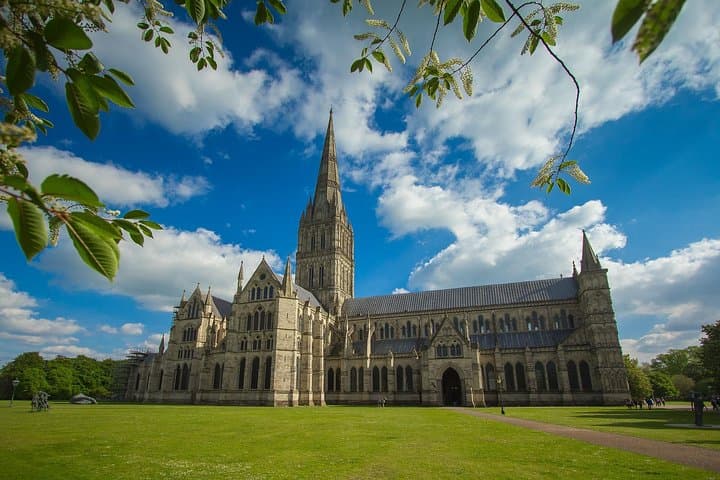
The landscape is older than the stories: the chalk downs formed under shallow seas millions of years ago, later farmed by Neolithic communities who left tombs and causeways. At Stonehenge the new Visitor Centre reconstructs timber houses and explains the site's evolving rituals; in nearby Salisbury the cathedral's 404‑foot spire punctures the skyline, guarding a best‑preserved 1215 Magna Carta and the world's oldest working mechanical clock.
Culturally, the tour threads ancient ritual, medieval civic power and modern heritage management; expect human stories as much as stones and stonework. The drive between sites crosses low hedgerows and market towns where local pubs do honest lunches.
Practical guidance: the full trip runs about 8–9 hours with two guided stops of roughly 90 minutes each. Wear comfortable walking shoes and layers for coastal chalk winds. Stonehenge visits include the Visitor Centre walk and an external approach to the circle; cathedral entry and Magna Carta viewing depend on opening hours and possible timed tickets. Bring a refillable bottle—the operator provides bottled water, but a reusable option is greener. Photography is allowed in many spaces but follow staff instructions, and be prepared for brief queues at exhibits. Hotel pickup and drop‑off simplify logistics; confirm exact pickup time when you book.
moderate.
8–9 hours.
Moderate fitness for standing and short walks over uneven ground; not strenuous.
No; this tour includes guided visits but admission fees may be separate—confirm with the operator when booking.
Each stop includes roughly 30–60 minutes of on‑foot exploration on uneven surfaces; the rest is seated travel.
Yes—infants and small children can use strollers, but expect uneven ground at Stonehenge and steps inside the cathedral.
Photography policies vary—general photos are usually allowed in public areas, but flash and close access to exhibits may be restricted; follow staff guidance.
Stonehenge dates to around 2500 BCE and sits amid Neolithic burial mounds; Salisbury Cathedral began construction in the 13th century and houses one of four surviving original Magna Carta manuscripts.
Stonehenge and Salisbury are managed to protect archaeology and historic fabric—stay on paths, avoid touching exposed masonry, and minimise waste to support conservation efforts.
The London Tour operates guided outdoor trips and adventures with an emphasis on safety, stewardship, and memorable experiences.
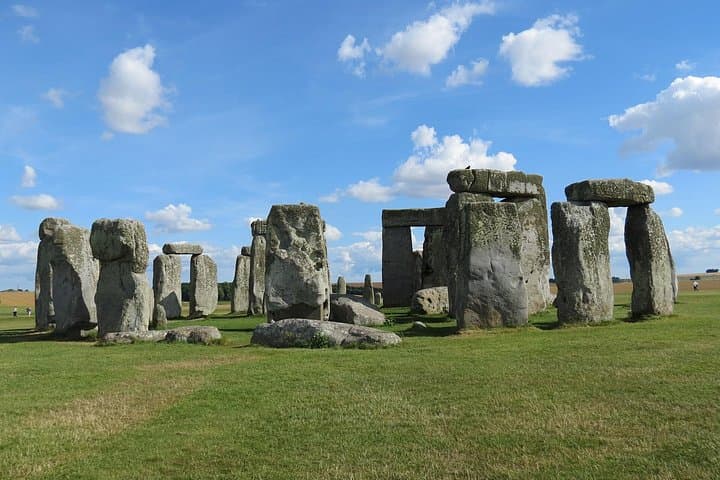
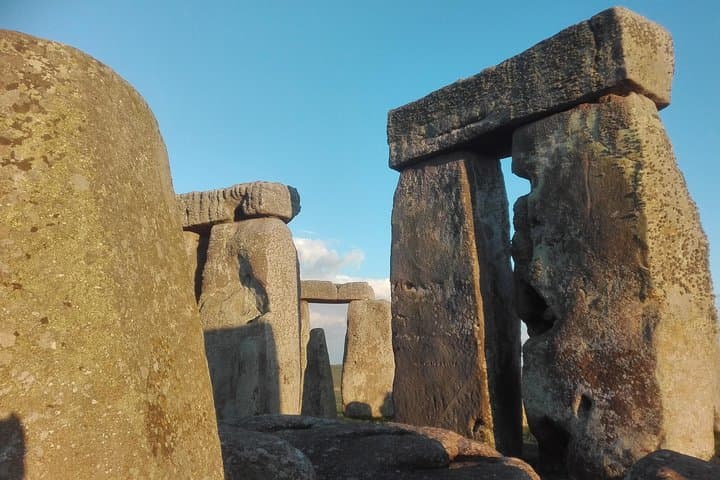
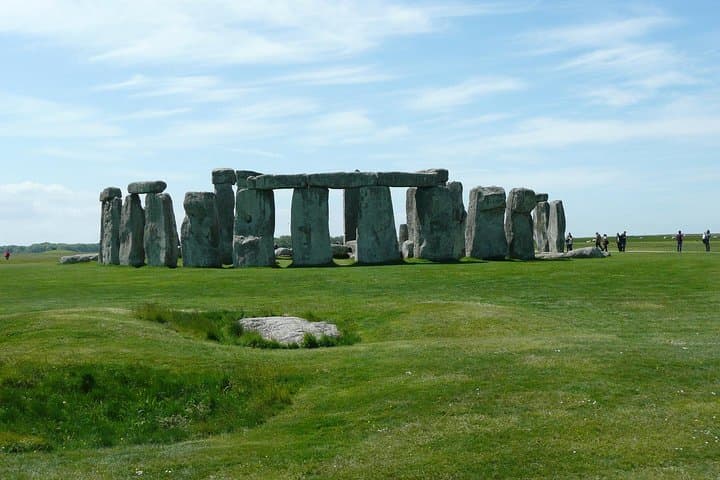
You step out of a luxury, air‑conditioned car onto the flat chalk plain where centuries of wind have rubbed the stones smooth. Stonehenge rises ahead—massive, awkward, deliberate—while your guide sketches the Bronze Age logistics that must have pushed granite across miles of turf.
You step out of a luxury, air‑conditioned car onto the flat chalk plain where centuries of wind have rubbed the stones smooth. Stonehenge rises ahead—massive, awkward, deliberate—while your guide sketches the Bronze Age logistics that must have pushed granite across miles of turf.
The landscape is older than the stories: the chalk downs formed under shallow seas millions of years ago, later farmed by Neolithic communities who left tombs and causeways. At Stonehenge the new Visitor Centre reconstructs timber houses and explains the site's evolving rituals; in nearby Salisbury the cathedral's 404‑foot spire punctures the skyline, guarding a best‑preserved 1215 Magna Carta and the world's oldest working mechanical clock.
Culturally, the tour threads ancient ritual, medieval civic power and modern heritage management; expect human stories as much as stones and stonework. The drive between sites crosses low hedgerows and market towns where local pubs do honest lunches.
Practical guidance: the full trip runs about 8–9 hours with two guided stops of roughly 90 minutes each. Wear comfortable walking shoes and layers for coastal chalk winds. Stonehenge visits include the Visitor Centre walk and an external approach to the circle; cathedral entry and Magna Carta viewing depend on opening hours and possible timed tickets. Bring a refillable bottle—the operator provides bottled water, but a reusable option is greener. Photography is allowed in many spaces but follow staff instructions, and be prepared for brief queues at exhibits. Hotel pickup and drop‑off simplify logistics; confirm exact pickup time when you book.