THE ADVENTURE COLLECTIVE® · Independent discovery and booking for outdoor travel

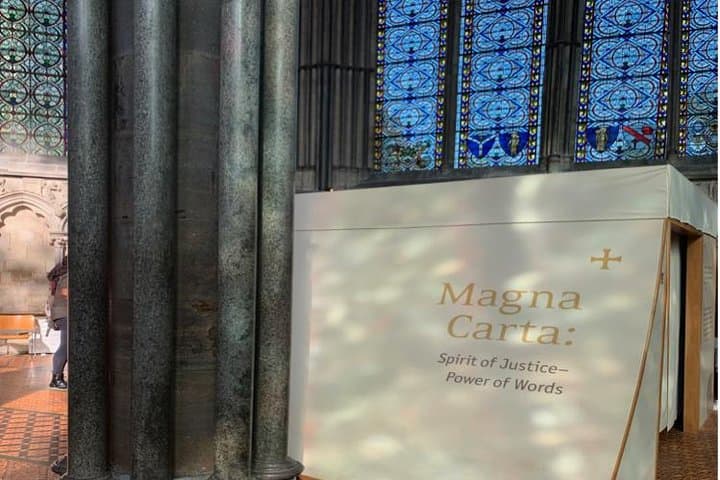
Leave the cruise terminal for a private five‑hour transfer into England's deep past: two hours at Stonehenge and a stop at Salisbury Cathedral with time to view a copy of the Magna Carta. This shore excursion balances efficient logistics with meaningful on‑site time.
Leave the cruise terminal for a private five‑hour transfer into England's deep past: two hours at Stonehenge and a stop at Salisbury Cathedral with time to view a copy of the Magna Carta. This shore excursion balances efficient logistics with meaningful on‑site time.
You step off the ship into the brisk Solent air and climb into a private, air‑conditioned vehicle; the motorway hum shrinks behind you as chalk plain opens up and the road points toward a circle of ancient stones.
Verified experiences and guided adventures in the surrounding area.
Operated by EC Minibus · Salisbury, Wiltshire
You step off the ship into the brisk Solent air and climb into a private, air‑conditioned vehicle; the motorway hum shrinks behind you as chalk plain opens up and the road points toward a circle of ancient stones.
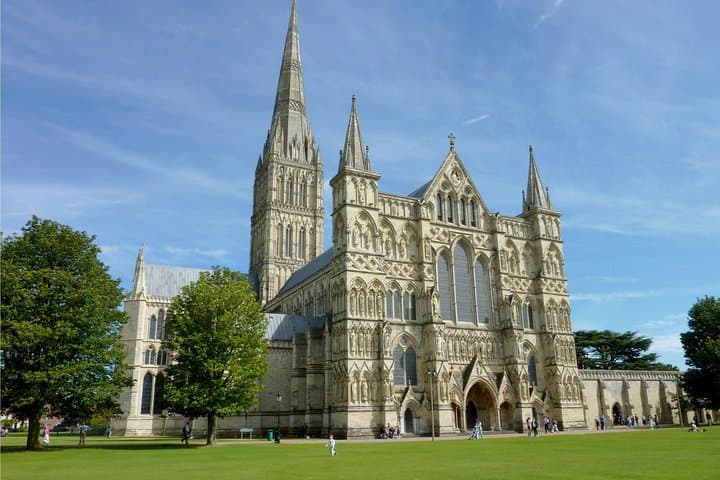
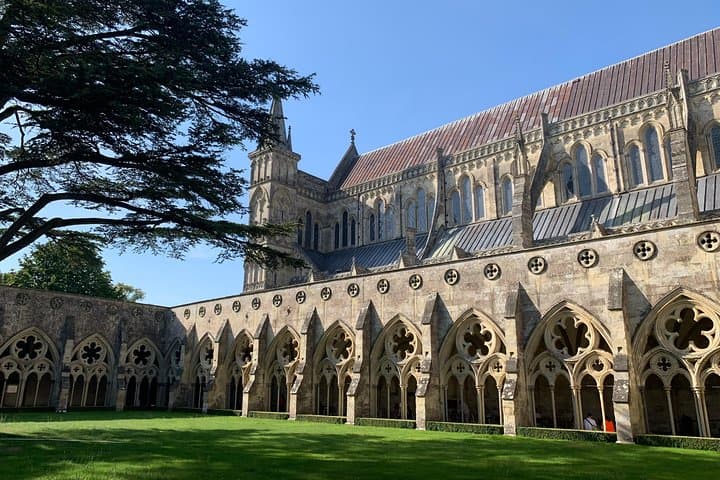
Stonehenge sits on Salisbury Plain, a chalk landscape shaped by millennia of geology and human hands. The stones themselves date mainly to the late Neolithic and early Bronze Age (c. 2500 BCE), arranged on a horizon that has drawn people for centuries. Nearby Salisbury is a medieval city whose 13th‑century cathedral houses one of the surviving copies of the Magna Carta and a rare functioning 14th‑century clock.
Culturally this route threads prehistory to medieval England: Neolithic ritual landscapes lead to a cathedral close that grew where Saxon and Norman influences met. Geologically, the white chalk underfoot supports windswept grassland where skylarks and hares still claim space.
Practicalities govern the day: the tour runs about five hours, with roughly 90–120 minutes at Stonehenge including admission, and a short viewing stop at Salisbury Cathedral. Vehicles are private and sized to group needs; pickup from the cruise terminal is timed to ship schedules so travelers return before departure.
Plan waterproof layers and sturdy walking shoes for uneven, often damp grass; bring ID and ship disembark info for pickup. Note that access onto the stones is restricted; most visitors view from a short distance from a designated path. For those seeking depth, allow time to explore the cathedral close or Old Sarum for an elevated perspective on the same landscape.
easy.
5 hours.
Light fitness required; mostly short, level walks with some standing and short uneven terrain near the stones
Yes. The itinerary is planned to return passengers to Southampton Cruise Terminal before scheduled departure; provide exact disembark and ship times when booking.
General admission allows close viewing from a short distance; direct access onto the central stones is usually restricted except for special access events.
The tour includes 30 minutes viewing time at Salisbury Cathedral, but cathedral entry tickets are purchased on site and aren't pre‑booked by the operator.
Vehicles are not fully wheelchair accessible but can transport foldable wheelchairs; communicate mobility needs when booking so the operator can advise and accommodate.
Stonehenge is primarily a late Neolithic/Bronze Age monument (c. 2500 BCE); Salisbury Cathedral dates to the 13th century and houses an original copy of the 1215 Magna Carta.
English Heritage and National Trust manage visitor flow and paths to protect fragile turf and the stones; stick to routes, avoid trampling vegetation, and use official footpaths.
EC Minibus operates guided outdoor trips and adventures with an emphasis on safety, stewardship, and memorable experiences.

You step off the ship into the brisk Solent air and climb into a private, air‑conditioned vehicle; the motorway hum shrinks behind you as chalk plain opens up and the road points toward a circle of ancient stones.
You step off the ship into the brisk Solent air and climb into a private, air‑conditioned vehicle; the motorway hum shrinks behind you as chalk plain opens up and the road points toward a circle of ancient stones.
Stonehenge sits on Salisbury Plain, a chalk landscape shaped by millennia of geology and human hands. The stones themselves date mainly to the late Neolithic and early Bronze Age (c. 2500 BCE), arranged on a horizon that has drawn people for centuries. Nearby Salisbury is a medieval city whose 13th‑century cathedral houses one of the surviving copies of the Magna Carta and a rare functioning 14th‑century clock.
Culturally this route threads prehistory to medieval England: Neolithic ritual landscapes lead to a cathedral close that grew where Saxon and Norman influences met. Geologically, the white chalk underfoot supports windswept grassland where skylarks and hares still claim space.
Practicalities govern the day: the tour runs about five hours, with roughly 90–120 minutes at Stonehenge including admission, and a short viewing stop at Salisbury Cathedral. Vehicles are private and sized to group needs; pickup from the cruise terminal is timed to ship schedules so travelers return before departure.
Plan waterproof layers and sturdy walking shoes for uneven, often damp grass; bring ID and ship disembark info for pickup. Note that access onto the stones is restricted; most visitors view from a short distance from a designated path. For those seeking depth, allow time to explore the cathedral close or Old Sarum for an elevated perspective on the same landscape.