THE ADVENTURE COLLECTIVE® · Independent discovery and booking for outdoor travel

Spend a full day tracing 4,500 years of history on a private coach from London to Stonehenge, the Roman Baths in Bath and Salisbury Cathedral—three sites, distinct landscapes, and practical tips to get the most from a long, rewarding day.
Spend a full day tracing 4,500 years of history on a private coach from London to Stonehenge, the Roman Baths in Bath and Salisbury Cathedral—three sites, distinct landscapes, and practical tips to get the most from a long, rewarding day.
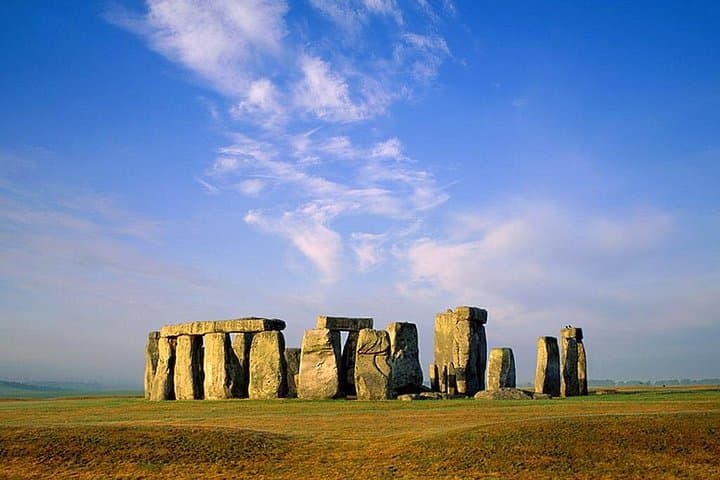
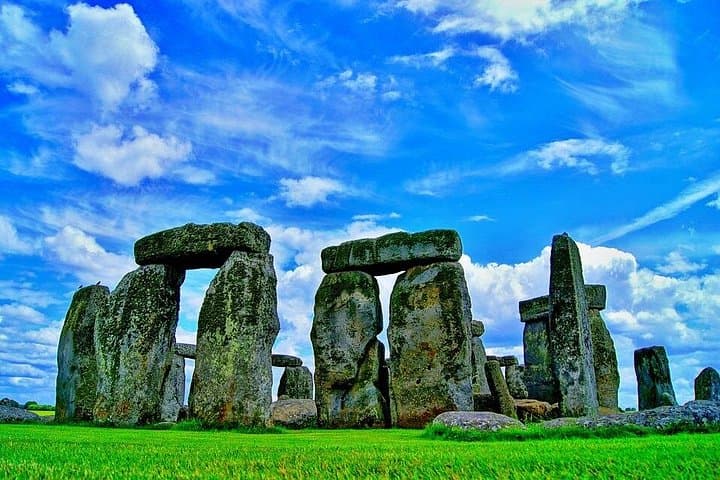
A low sun slices across chalk downland as the coach leaves London—windows fogged, coffee cooling, conversation hushed. By the time you step onto the visitor path at Stonehenge the wind has a voice, urging you forward around the great sarsens. The stones loom like chapters opened in an ancient book: tactile, worn by millennia of weather and human wonder.
Verified experiences and guided adventures in the surrounding area.
Operated by The Visit London · Amesbury, Wiltshire
A low sun slices across chalk downland as the coach leaves London—windows fogged, coffee cooling, conversation hushed. By the time you step onto the visitor path at Stonehenge the wind has a voice, urging you forward around the great sarsens. The stones loom like chapters opened in an ancient book: tactile, worn by millennia of weather and human wonder.
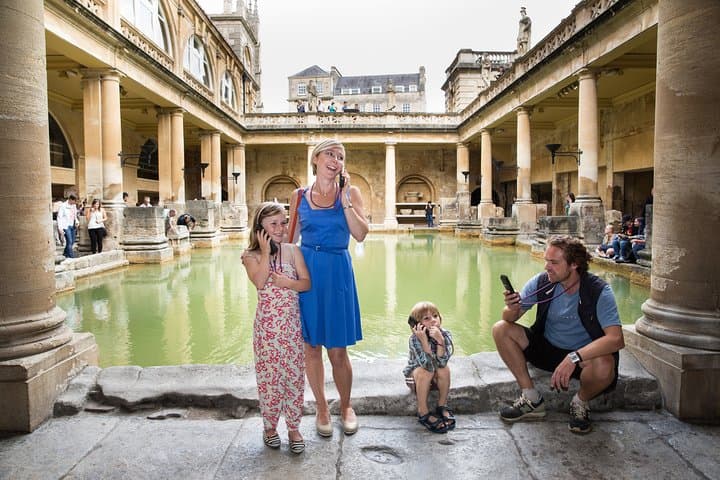
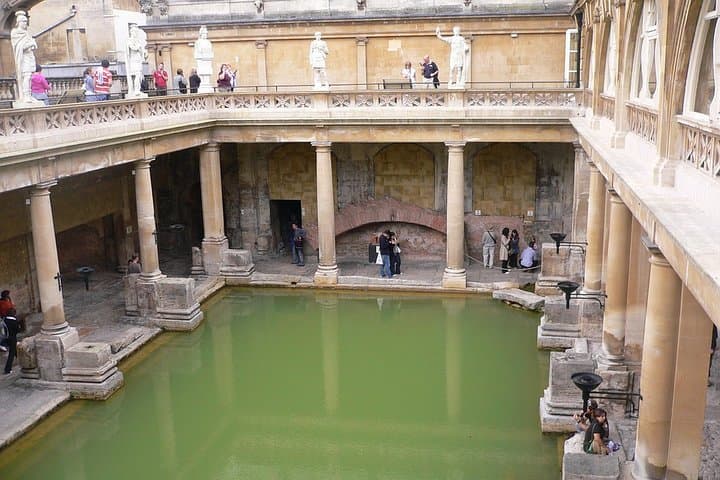
This route threads three distinct eras of Britain’s past. Stonehenge (c. 2500 BCE) is a Neolithic engineering feat built from local sarsen and distant bluestone, its alignment still read against solstices. Bath’s Roman Baths sit over thermal springs exploited since the first century, their stone pools framed by Georgian façades that rose from 18th-century Bath stone. Salisbury Cathedral, begun in the 13th century, houses an original 1215 Magna Carta and Britain’s tallest medieval spire—an unmistakable silhouette on the plain.
Expect varied terrain: short grass and gravel at Stonehenge, cobbled and paved streets in Bath, and lawns around the cathedral. The day moves at a steady pace—roughly two hours at each site—so plan for walking, short museum queues, and time for a quick lunch in Bath’s compact centre.
Practical essentials: prebook Stonehenge timed entries if you want inside access; wear rainproof layers and sturdy shoes for uneven ground; bring a charged camera and sensible daylight hours—this is a long, full-day trip. The private transport typically includes onboard Wi‑Fi and bottled water, but food and attraction admissions are usually separate. Stay on marked paths, respect fragile archaeology, and let the wind do the talking as you trace 4,500 years of human story across the Wiltshire landscape.
easy.
12 hours.
Suitable for most fitness levels; you should be comfortable walking 1–2 miles total on uneven surfaces and climbing a few steps.
No—this private tour typically covers transport only; entrance fees are separate unless your booking explicitly states otherwise. Stonehenge often requires prebooked timed tickets for inner access.
Most departures run from central London pick-up points; this operator offers private pickup and drop-off—confirm your exact pickup location when you book.
The tour is labelled suitable for all fitness levels, but Stonehenge involves uneven turf and limited surfaced routes; Bath has cobbles and steps. Strollers can be used in many areas but expect some barriers.
Tours generally run in most weather; cancellations for refunds usually require 24+ hours' notice per provider policy. Dress appropriately and confirm the cancellation policy when booking.
The route connects Neolithic monument builders, Roman spa engineers and medieval cathedral makers—Stonehenge predates Rome’s presence in Britain by millennia, while Bath and Salisbury tell stories of Roman exploitation of springs and later medieval civic life.
Stonehenge and Bath are protected historic sites; visitors should stay on designated paths to reduce erosion, avoid touching fragile stonework, and follow site-specific guidelines to protect archaeological and natural features.
The Visit London operates guided outdoor trips and adventures with an emphasis on safety, stewardship, and memorable experiences.
A low sun slices across chalk downland as the coach leaves London—windows fogged, coffee cooling, conversation hushed. By the time you step onto the visitor path at Stonehenge the wind has a voice, urging you forward around the great sarsens. The stones loom like chapters opened in an ancient book: tactile, worn by millennia of weather and human wonder.
A low sun slices across chalk downland as the coach leaves London—windows fogged, coffee cooling, conversation hushed. By the time you step onto the visitor path at Stonehenge the wind has a voice, urging you forward around the great sarsens. The stones loom like chapters opened in an ancient book: tactile, worn by millennia of weather and human wonder.
This route threads three distinct eras of Britain’s past. Stonehenge (c. 2500 BCE) is a Neolithic engineering feat built from local sarsen and distant bluestone, its alignment still read against solstices. Bath’s Roman Baths sit over thermal springs exploited since the first century, their stone pools framed by Georgian façades that rose from 18th-century Bath stone. Salisbury Cathedral, begun in the 13th century, houses an original 1215 Magna Carta and Britain’s tallest medieval spire—an unmistakable silhouette on the plain.
Expect varied terrain: short grass and gravel at Stonehenge, cobbled and paved streets in Bath, and lawns around the cathedral. The day moves at a steady pace—roughly two hours at each site—so plan for walking, short museum queues, and time for a quick lunch in Bath’s compact centre.
Practical essentials: prebook Stonehenge timed entries if you want inside access; wear rainproof layers and sturdy shoes for uneven ground; bring a charged camera and sensible daylight hours—this is a long, full-day trip. The private transport typically includes onboard Wi‑Fi and bottled water, but food and attraction admissions are usually separate. Stay on marked paths, respect fragile archaeology, and let the wind do the talking as you trace 4,500 years of human story across the Wiltshire landscape.