THE ADVENTURE COLLECTIVE® · Independent discovery and booking for outdoor travel

Skip the coach crowds and make Stonehenge a smooth, personal experience with a private luxury sedan from central London. Arrive early, explore the visitor centre and reconstructed Neolithic houses, then take in the stone circle before mid-day tour buses arrive.
Skip the coach crowds and make Stonehenge a smooth, personal experience with a private luxury sedan from central London. Arrive early, explore the visitor centre and reconstructed Neolithic houses, then take in the stone circle before mid-day tour buses arrive.
The road out of London opens into rolling chalk downland; the sedan hums along while white sheep scatter the verge and the air sharpens with salt from far-off coasts. Arriving before the coaches, the stones stand against a broad sky—an assembly of weathered sarsen and bluestone that seems to hold its own slow conversation with the wind.
Verified experiences and guided adventures in the surrounding area.
Operated by The London Tour · Amesbury, Wiltshire
The road out of London opens into rolling chalk downland; the sedan hums along while white sheep scatter the verge and the air sharpens with salt from far-off coasts. Arriving before the coaches, the stones stand against a broad sky—an assembly of weathered sarsen and bluestone that seems to hold its own slow conversation with the wind.
Stonehenge began as a Neolithic project around 3000 BCE and evolved over a millennium. The monument sits on chalk geology shaped by millennia of erosion, with nearby Silbury Hill and the Cursus forming a prehistoric landscape of burial mounds and processional earthworks. The visitor centre reconstructs the daily life of the builders and displays finds that connect the stones to Bronze Age ritual and regional trade.
Culturally, the site is both archaeology and living ritual: modern visitors and seasonal ceremonies share the same horizon once marked by builders and pilgrims. Conservation efforts limit access to the circle to protect the stones’ surface; the National Trust and English Heritage manage visitor flow and interpretation.
Practically, this private-drive option gives you control of timing—arrive at opening to avoid coach crowds. Expect a 1.5–2 hour drive each way from central London and plan for roughly two hours on-site to see the exhibition, reconstructed houses, and the stone circle (walking the shuttle route adds nearly 2 miles). Wear sturdy shoes for turf and windproof layers; weather changes quickly on the downs. Your driver will handle logistics and meet-up timing, but tickets to Stonehenge itself are obtained at the visitor centre—bring your booking confirmation and allow extra time for the shuttle if you prefer not to walk.
easy.
6 hours.
Moderate — able to walk up to 2 miles on uneven grass and stand for interpreting exhibits
No. This is an independent visit; your driver will take you to the visitor centre where you collect pre-booked or on-site tickets—confirm ticket details before departure.
Expect 1.5–2 hours each way depending on traffic; early departures avoid peak congestion and large coach arrivals.
General visitor access is limited to a protective path around the circle to preserve the monument; occasional special access events are managed by English Heritage.
The visitor centre and shuttle are accessible; the stone circle area has turf and steps—check with English Heritage for the latest accessibility arrangements and assistance options.
Stonehenge dates from c.3000–2000 BCE and sits within a larger Neolithic landscape of barrows and earthworks preserved on the Salisbury Plain.
High visitor numbers and weathering threaten the stones; stick to paths, avoid touching the stones, and support English Heritage initiatives to protect the site.
The London Tour operates guided outdoor trips and adventures with an emphasis on safety, stewardship, and memorable experiences.
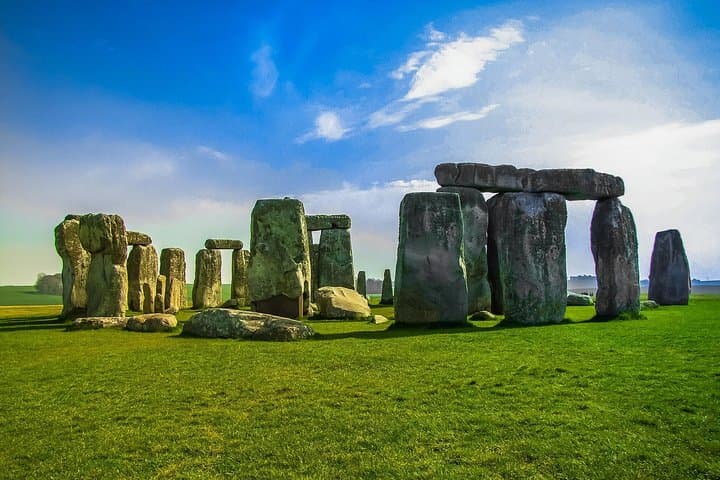
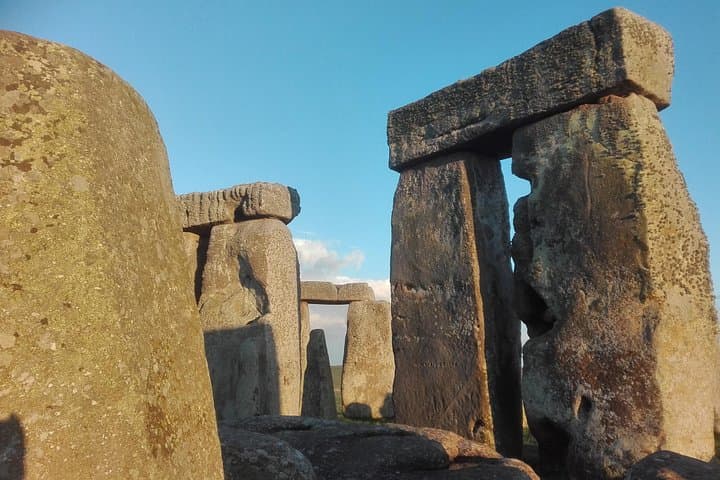
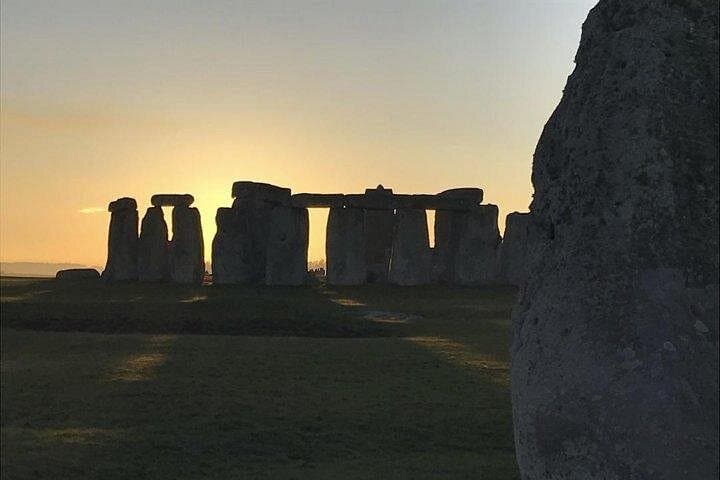
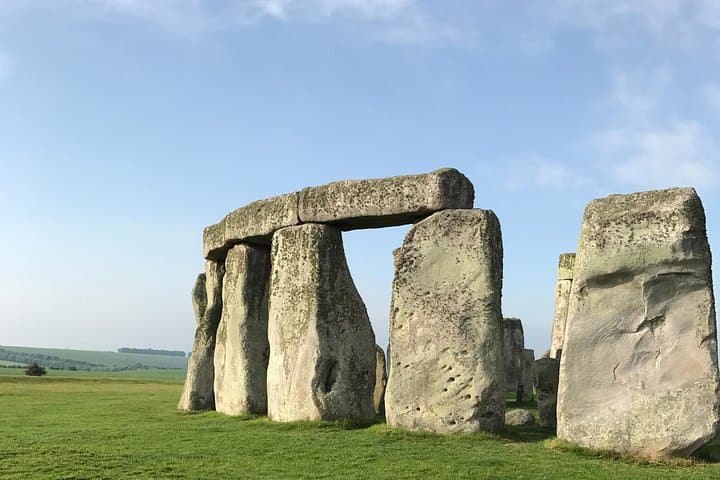
The road out of London opens into rolling chalk downland; the sedan hums along while white sheep scatter the verge and the air sharpens with salt from far-off coasts. Arriving before the coaches, the stones stand against a broad sky—an assembly of weathered sarsen and bluestone that seems to hold its own slow conversation with the wind.
The road out of London opens into rolling chalk downland; the sedan hums along while white sheep scatter the verge and the air sharpens with salt from far-off coasts. Arriving before the coaches, the stones stand against a broad sky—an assembly of weathered sarsen and bluestone that seems to hold its own slow conversation with the wind.
Stonehenge began as a Neolithic project around 3000 BCE and evolved over a millennium. The monument sits on chalk geology shaped by millennia of erosion, with nearby Silbury Hill and the Cursus forming a prehistoric landscape of burial mounds and processional earthworks. The visitor centre reconstructs the daily life of the builders and displays finds that connect the stones to Bronze Age ritual and regional trade.
Culturally, the site is both archaeology and living ritual: modern visitors and seasonal ceremonies share the same horizon once marked by builders and pilgrims. Conservation efforts limit access to the circle to protect the stones’ surface; the National Trust and English Heritage manage visitor flow and interpretation.
Practically, this private-drive option gives you control of timing—arrive at opening to avoid coach crowds. Expect a 1.5–2 hour drive each way from central London and plan for roughly two hours on-site to see the exhibition, reconstructed houses, and the stone circle (walking the shuttle route adds nearly 2 miles). Wear sturdy shoes for turf and windproof layers; weather changes quickly on the downs. Your driver will handle logistics and meet-up timing, but tickets to Stonehenge itself are obtained at the visitor centre—bring your booking confirmation and allow extra time for the shuttle if you prefer not to walk.