THE ADVENTURE COLLECTIVE® · Independent discovery and booking for outdoor travel

Stand before the prehistoric stones on a private guided visit from London that combines transport, local insight, and a quieter approach to Stonehenge. Learn what the stones reveal about Neolithic engineering, geology and ritual, while practical guidance helps you plan the trip.
Stand before the prehistoric stones on a private guided visit from London that combines transport, local insight, and a quieter approach to Stonehenge. Learn what the stones reveal about Neolithic engineering, geology and ritual, while practical guidance helps you plan the trip.
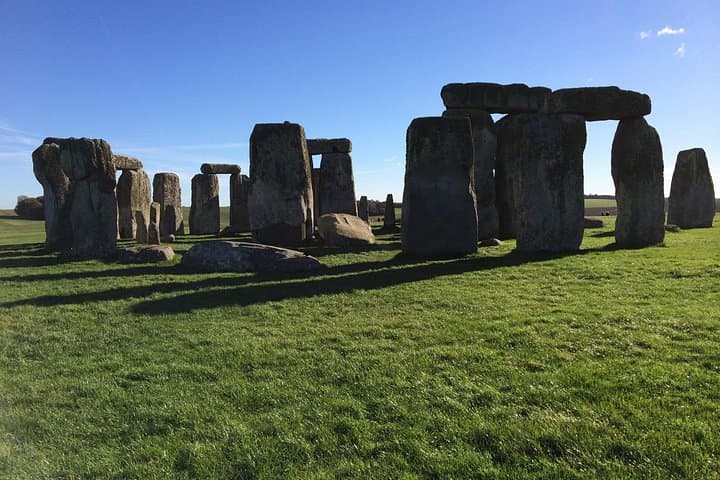
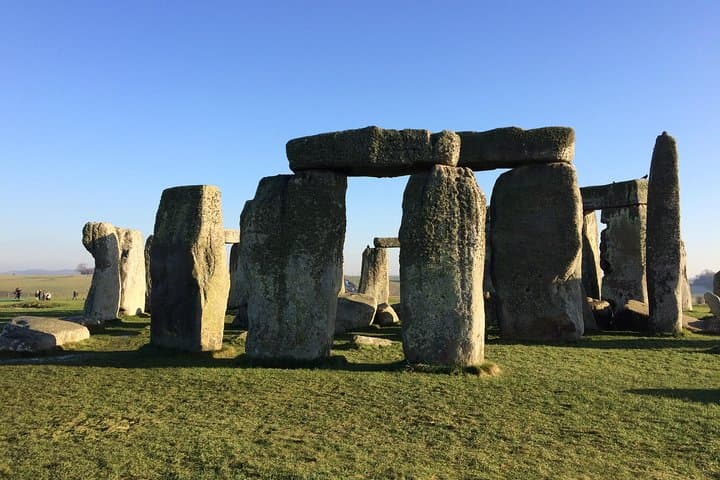
A low, wind-swept plain opens as the coach leaves the motorway; grasses ripple and the air feels older here, carrying dust from fields and a sense of scale. The stones themselves arrive slowly—a ring of weathered silhouettes set against wide sky—each standing rock a calm, immovable presence that seems to measure the passage of time.
Verified experiences and guided adventures in the surrounding area.
Operated by Vip London Tour · Amesbury, Wiltshire
A low, wind-swept plain opens as the coach leaves the motorway; grasses ripple and the air feels older here, carrying dust from fields and a sense of scale. The stones themselves arrive slowly—a ring of weathered silhouettes set against wide sky—each standing rock a calm, immovable presence that seems to measure the passage of time.
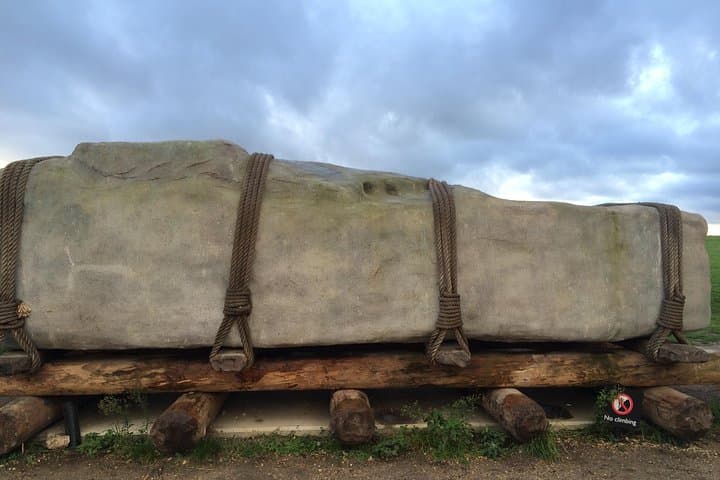
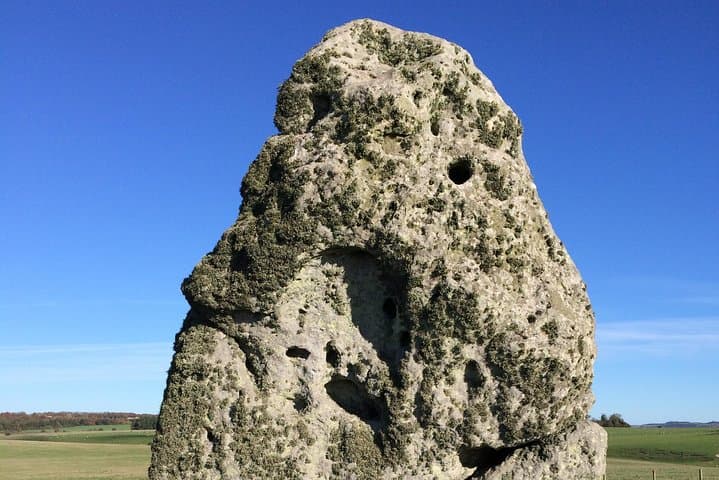
Stonehenge is a Neolithic construction, built in phases between roughly 3000–2000 BCE. Geologically the monument pairs local sarsen sandstone uprights with smaller bluestones transported from Wales, evidence of engineering and long-distance movement long before written history. Culturally it’s been a place of ritual, burial and astronomical observation; English Heritage manages the site and the surrounding chalk downland.
A private guided visit tightens the experience: a guide interprets alignment and archaeology, you approach viewpoints with context, and the vehicle logistics mean fewer people and a direct route back to your pickup point. The surrounding landscape rewards short walks—chalk grassland that supports skylarks and hares—so bring a moment to stand beyond the ropes and let the plain breathe around you.
Practical guidance: the site is exposed—wind and sun are immediate concerns. Tickets often exclude on-site admission, so confirm entry with your operator. Paths are uneven and can be muddy after rain; comfortable, grippy footwear and layered clothing are advisable. Photography is straightforward from designated areas; if you want closer access, plan for special-access events. Allow this half-day excursion to be both contemplative and informative: the stones ask you to move slower, listen to the landscape, and think in millennia rather than minutes.
easy.
6 hours.
Suitable for most fitness levels; requires short, gentle walks on uneven ground
Not always—many private tours provide transport and a guide but require separate English Heritage admission; confirm before booking.
The full trip from London is about six hours including travel time and a guided stop at the Stonehenge visitor area.
General access is from designated viewing areas; close access is limited and usually only available during special-access events.
The visitor center and route to the main viewing area have accessible options, but ground near the stones is uneven and may be challenging for some users.
Stonehenge was constructed in stages between c.3000–2000 BCE; its sarsen uprights and distant bluestones reflect both local and long-distance prehistoric activity.
English Heritage manages the site; staying on paths and following guidance reduces erosion on the fragile chalk grassland and protects burial mounds.
Vip London Tour operates guided outdoor trips and adventures with an emphasis on safety, stewardship, and memorable experiences.
A low, wind-swept plain opens as the coach leaves the motorway; grasses ripple and the air feels older here, carrying dust from fields and a sense of scale. The stones themselves arrive slowly—a ring of weathered silhouettes set against wide sky—each standing rock a calm, immovable presence that seems to measure the passage of time.
A low, wind-swept plain opens as the coach leaves the motorway; grasses ripple and the air feels older here, carrying dust from fields and a sense of scale. The stones themselves arrive slowly—a ring of weathered silhouettes set against wide sky—each standing rock a calm, immovable presence that seems to measure the passage of time.
Stonehenge is a Neolithic construction, built in phases between roughly 3000–2000 BCE. Geologically the monument pairs local sarsen sandstone uprights with smaller bluestones transported from Wales, evidence of engineering and long-distance movement long before written history. Culturally it’s been a place of ritual, burial and astronomical observation; English Heritage manages the site and the surrounding chalk downland.
A private guided visit tightens the experience: a guide interprets alignment and archaeology, you approach viewpoints with context, and the vehicle logistics mean fewer people and a direct route back to your pickup point. The surrounding landscape rewards short walks—chalk grassland that supports skylarks and hares—so bring a moment to stand beyond the ropes and let the plain breathe around you.
Practical guidance: the site is exposed—wind and sun are immediate concerns. Tickets often exclude on-site admission, so confirm entry with your operator. Paths are uneven and can be muddy after rain; comfortable, grippy footwear and layered clothing are advisable. Photography is straightforward from designated areas; if you want closer access, plan for special-access events. Allow this half-day excursion to be both contemplative and informative: the stones ask you to move slower, listen to the landscape, and think in millennia rather than minutes.