THE ADVENTURE COLLECTIVE® · Independent discovery and booking for outdoor travel

Walk the plains around one of Britain’s most iconic monuments with an expert-led audio guide. This private, self-guided tour combines archaeology, landscape reading and practical directions to help you get the most from an hour at Stonehenge.
Walk the plains around one of Britain’s most iconic monuments with an expert-led audio guide. This private, self-guided tour combines archaeology, landscape reading and practical directions to help you get the most from an hour at Stonehenge.
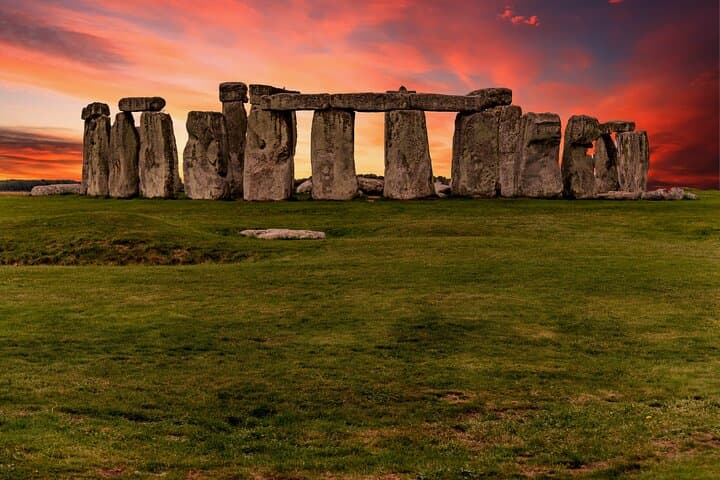
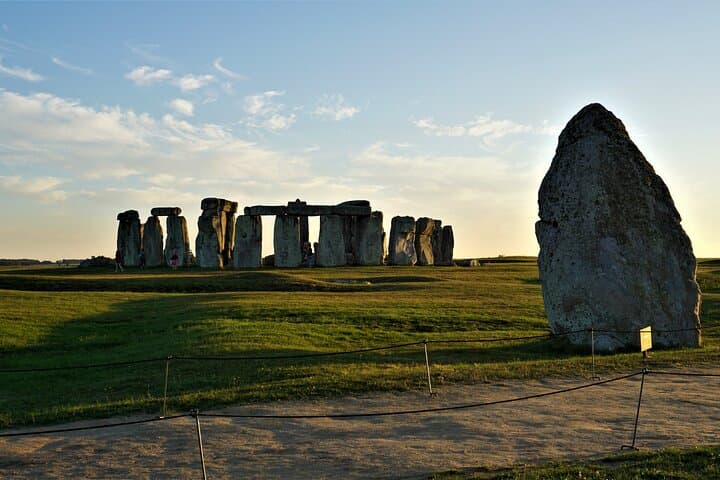
You step off the shuttle and the plain opens—wide grass, wind that seems to read the stones like pages. The audio guide begins with a quiet, expert voice that places you in a long human timeline: hunters and early farmers shaping the landscape, later eyes tracing the horizon where the heel stone aligns with solstice light.
Verified experiences and guided adventures in the surrounding area.
Operated by Vidi Guides · Salisbury, Wiltshire
You step off the shuttle and the plain opens—wide grass, wind that seems to read the stones like pages. The audio guide begins with a quiet, expert voice that places you in a long human timeline: hunters and early farmers shaping the landscape, later eyes tracing the horizon where the heel stone aligns with solstice light.
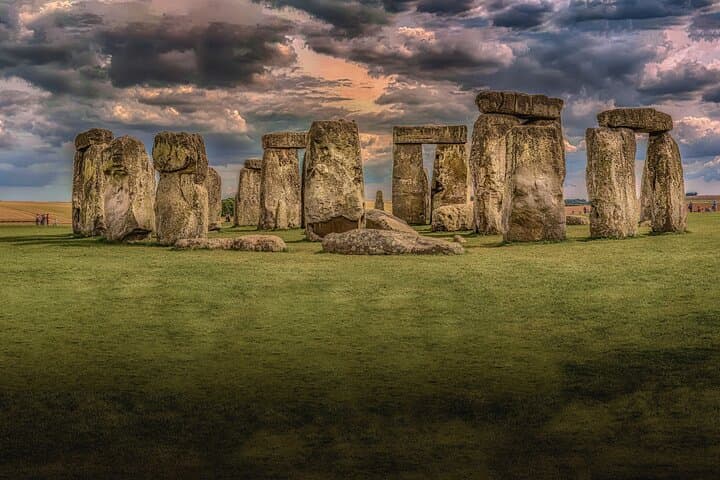
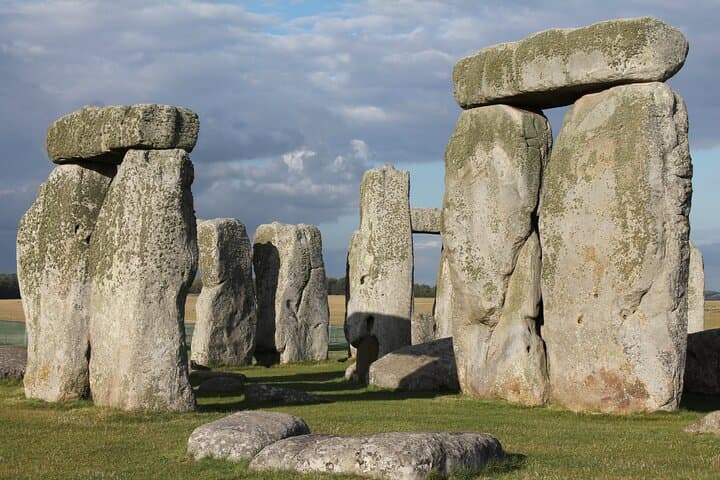
Stonehenge sits on Salisbury Plain, a chalk plateau shaped by Ice Age geology and millennia of human activity. The circle of sarsen and bluestone dates mainly to c. 3000–2000 BCE and sits among burial mounds, cursus earthworks and nearby large settlements like Durrington Walls. Archaeology and local lore mingle: theories about construction range from engineered transport of bluestones from Wales to ritual landscapes of timber and stone.
Culturally, Stonehenge is simultaneously a burial ground, astronomical marker and pilgrimage site; it became a UNESCO World Heritage Site in 1986 and is managed to protect fragile archaeology. As you walk the designated paths, the audio guide points out Aubrey Holes, the Beaker culture burials and lines of sight that anchor the monument to seasonal sun paths.
Practically: plan for one hour on the site plus transit time; tickets to the monument are required separately. Download the tour in advance for offline playback, bring windproof layers and firm shoes for the gravel and turf, and allow extra time for the visitor center if you want to see reconstructed Neolithic houses. Respect ropes and signage—access to the stones themselves is limited to protect the monument. The audio guide turns facts into paced, place-based storytelling so you leave knowing the how and the why, not just the what.
easy.
1 hour.
Suitable for most fitness levels; involves short walks on flat to gently uneven turf
No. The audio guide provides interpretation only; you must purchase Stonehenge tickets separately from English Heritage.
The recommended on-site portion is about one hour, but allow extra time for the visitor center and exhibits.
Stonehenge has accessible paths and facilities, but some turf areas may be uneven—check English Heritage accessibility details before visiting.
Yes. The tour offers an offline download option so you can play the audio without WiFi or mobile signal.
Stonehenge is a principal element of a ritual landscape spanning thousands of years, with the stone circle dating mostly from 3000–2000 BCE and connected to nearby Neolithic settlements and barrows.
The monument is a UNESCO World Heritage Site managed to minimize erosion and disturbance—stay on designated paths, and follow onsite guidance to protect fragile archaeology.
Vidi Guides operates guided outdoor trips and adventures with an emphasis on safety, stewardship, and memorable experiences.
You step off the shuttle and the plain opens—wide grass, wind that seems to read the stones like pages. The audio guide begins with a quiet, expert voice that places you in a long human timeline: hunters and early farmers shaping the landscape, later eyes tracing the horizon where the heel stone aligns with solstice light.
You step off the shuttle and the plain opens—wide grass, wind that seems to read the stones like pages. The audio guide begins with a quiet, expert voice that places you in a long human timeline: hunters and early farmers shaping the landscape, later eyes tracing the horizon where the heel stone aligns with solstice light.
Stonehenge sits on Salisbury Plain, a chalk plateau shaped by Ice Age geology and millennia of human activity. The circle of sarsen and bluestone dates mainly to c. 3000–2000 BCE and sits among burial mounds, cursus earthworks and nearby large settlements like Durrington Walls. Archaeology and local lore mingle: theories about construction range from engineered transport of bluestones from Wales to ritual landscapes of timber and stone.
Culturally, Stonehenge is simultaneously a burial ground, astronomical marker and pilgrimage site; it became a UNESCO World Heritage Site in 1986 and is managed to protect fragile archaeology. As you walk the designated paths, the audio guide points out Aubrey Holes, the Beaker culture burials and lines of sight that anchor the monument to seasonal sun paths.
Practically: plan for one hour on the site plus transit time; tickets to the monument are required separately. Download the tour in advance for offline playback, bring windproof layers and firm shoes for the gravel and turf, and allow extra time for the visitor center if you want to see reconstructed Neolithic houses. Respect ropes and signage—access to the stones themselves is limited to protect the monument. The audio guide turns facts into paced, place-based storytelling so you leave knowing the how and the why, not just the what.