THE ADVENTURE COLLECTIVE® · Independent discovery and booking for outdoor travel

A focused half-day outing from Winchester that pairs a guided walk around the stone circle with the Visitor Centre exhibits. This tour condenses Stonehenge’s archaeology, geology and stories into a compact, accessible visit.
A focused half-day outing from Winchester that pairs a guided walk around the stone circle with the Visitor Centre exhibits. This tour condenses Stonehenge’s archaeology, geology and stories into a compact, accessible visit.
You step from the air-conditioned vehicle into a stretch of chalk downland where wind moves the grass like a slow, deliberate tide. The stones stand ahead—immediate, moss-fleshed and oddly articulated—interrupting the horizon with clean, human geometry. A professional guide meets you at the Visitor Centre and, over the next two hours, reassembles the site’s long, complicated life.
Verified experiences and guided adventures in the surrounding area.
Operated by Undiscovered Cotswolds · Amesbury, Wiltshire
You step from the air-conditioned vehicle into a stretch of chalk downland where wind moves the grass like a slow, deliberate tide. The stones stand ahead—immediate, moss-fleshed and oddly articulated—interrupting the horizon with clean, human geometry. A professional guide meets you at the Visitor Centre and, over the next two hours, reassembles the site’s long, complicated life.
Stonehenge was built in phases between roughly 3000–2000 BCE; timber henges and burial mounds predate the iconic sarsens and bluestones. Geologically, the stones tell two stories: local sarsen sandstone quarried from the Marlborough Downs, and bluestones dragged by ancient hands from the Preseli Hills in Wales. Culturally, the circle functioned as a burial ground, ceremonial focal point, and astronomical marker—scholars still debate which role dominated.
Your guide will move between archaeology, recent discoveries and folklore, pointing out the visitor centre exhibits that contextualize artefacts and landscape. Expect plain paths, short grassy slopes and open exposure to wind and sun; the circle itself is protected, but you can walk the perimeter and photograph from designated viewpoints.
Practical guidance: wear sturdy shoes and a weatherproof layer, bring water and a camera with a zoom for details, and allow time for the Visitor Centre displays before or after your circle visit. If you’re sensitive to crowds, choose a morning departure to catch softer light and fewer visitors. Respect barriers and the site’s fragile turf—these stones have survived millennia but need care to endure another one.
easy.
3–3.5 hours.
Suitable for most fitness levels; involves short walks on grass and standing for interpretation.
Yes—this tour includes admission to the Stonehenge Visitor Centre and the stone circle viewing area.
The Visitor Centre and designated viewing areas are wheelchair accessible; surfaces on the downland can be uneven, so check mobility details with the operator in advance.
Public access onto the stone circle is restricted; visitors walk the perimeter and photograph from designated points unless special access is granted by the site.
Early morning or late afternoon offers lower sun and softer shadows; this tour’s morning departures usually give fewer crowds and better light.
Stonehenge was constructed in multiple stages between about 3000 and 2000 BCE and contains both burial mounds and standing stones sourced from local sarsen and distant bluestone outcrops.
English Heritage manages visitor impact with controlled access and interpretive exhibits; stay on paths and avoid disturbing turf to protect archaeology and chalkland ecology.
Undiscovered Cotswolds operates guided outdoor trips and adventures with an emphasis on safety, stewardship, and memorable experiences.
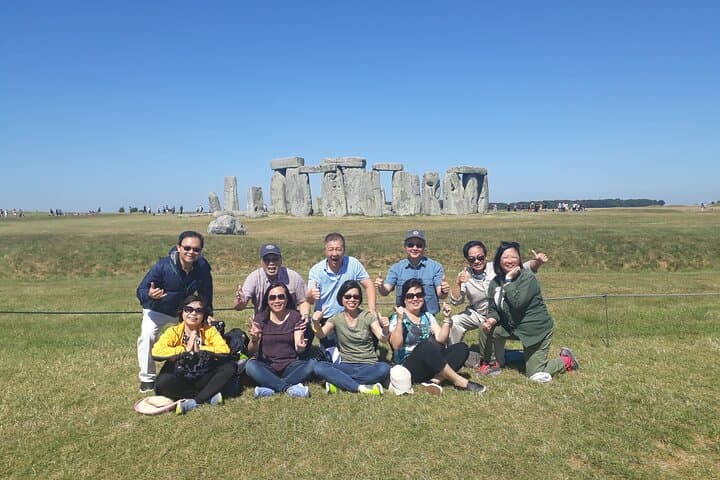
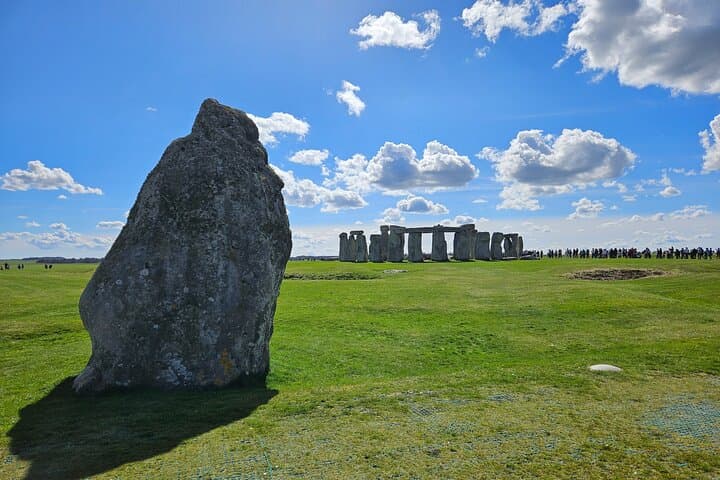
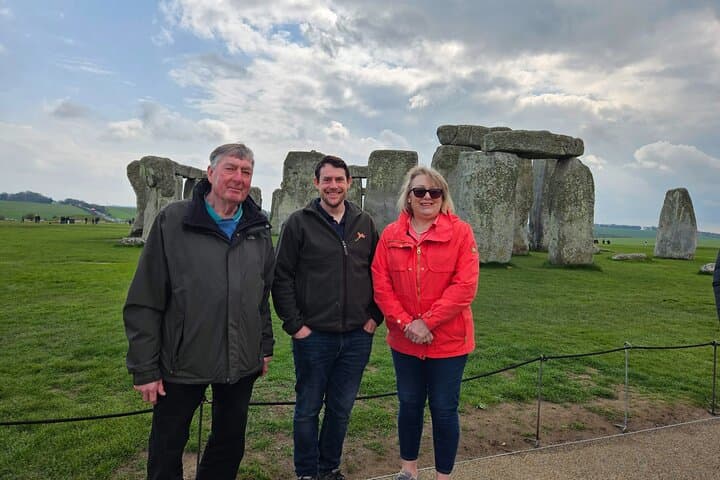
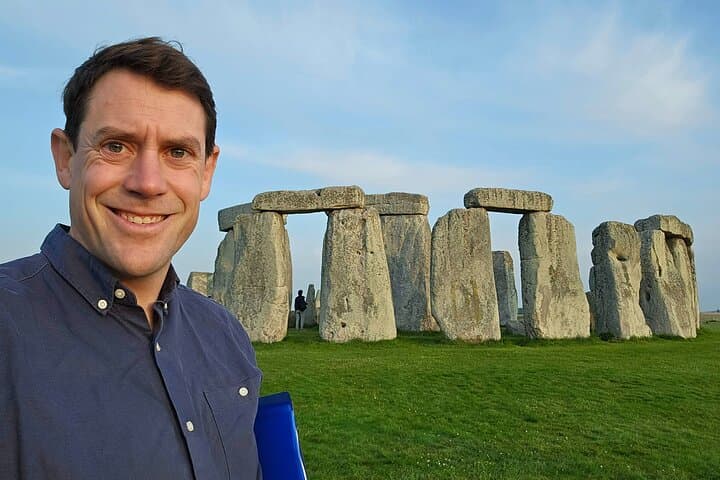
You step from the air-conditioned vehicle into a stretch of chalk downland where wind moves the grass like a slow, deliberate tide. The stones stand ahead—immediate, moss-fleshed and oddly articulated—interrupting the horizon with clean, human geometry. A professional guide meets you at the Visitor Centre and, over the next two hours, reassembles the site’s long, complicated life.
You step from the air-conditioned vehicle into a stretch of chalk downland where wind moves the grass like a slow, deliberate tide. The stones stand ahead—immediate, moss-fleshed and oddly articulated—interrupting the horizon with clean, human geometry. A professional guide meets you at the Visitor Centre and, over the next two hours, reassembles the site’s long, complicated life.
Stonehenge was built in phases between roughly 3000–2000 BCE; timber henges and burial mounds predate the iconic sarsens and bluestones. Geologically, the stones tell two stories: local sarsen sandstone quarried from the Marlborough Downs, and bluestones dragged by ancient hands from the Preseli Hills in Wales. Culturally, the circle functioned as a burial ground, ceremonial focal point, and astronomical marker—scholars still debate which role dominated.
Your guide will move between archaeology, recent discoveries and folklore, pointing out the visitor centre exhibits that contextualize artefacts and landscape. Expect plain paths, short grassy slopes and open exposure to wind and sun; the circle itself is protected, but you can walk the perimeter and photograph from designated viewpoints.
Practical guidance: wear sturdy shoes and a weatherproof layer, bring water and a camera with a zoom for details, and allow time for the Visitor Centre displays before or after your circle visit. If you’re sensitive to crowds, choose a morning departure to catch softer light and fewer visitors. Respect barriers and the site’s fragile turf—these stones have survived millennia but need care to endure another one.