THE ADVENTURE COLLECTIVE® · Independent discovery and booking for outdoor travel

Spend a full day tracing English history from prehistoric Stonehenge to Roman Baths and film-friendly Cotswold lanes. This private tour balances early-access moments at the stones with time to explore Bath’s architecture and Lacock’s picture‑book streets.
Spend a full day tracing English history from prehistoric Stonehenge to Roman Baths and film-friendly Cotswold lanes. This private tour balances early-access moments at the stones with time to explore Bath’s architecture and Lacock’s picture‑book streets.
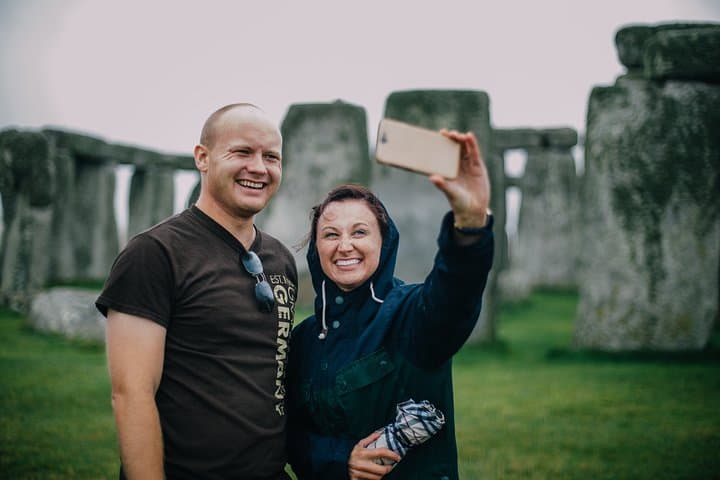
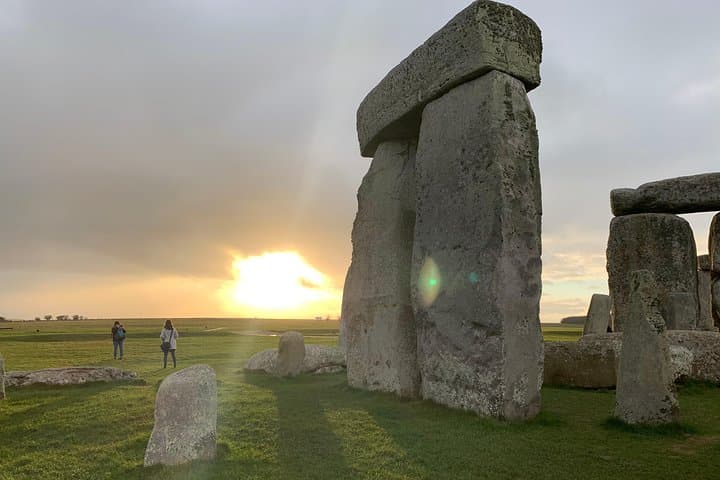
A pale dawn lifts over the A303 as your private vehicle threads across chalk downs toward a ring of stones that have watched the wind for millennia. You step from the van before the big coaches arrive; the sarsens cast long, cool shadows and the air tastes faintly of sea-swept moor and sheep. The stones feel like living thresholds — patient, weathered, and oddly direct — inviting questions rather than immediate answers.
Verified experiences and guided adventures in the surrounding area.
Operated by Prestige Private Tours · Salisbury, Wiltshire
A pale dawn lifts over the A303 as your private vehicle threads across chalk downs toward a ring of stones that have watched the wind for millennia. You step from the van before the big coaches arrive; the sarsens cast long, cool shadows and the air tastes faintly of sea-swept moor and sheep. The stones feel like living thresholds — patient, weathered, and oddly direct — inviting questions rather than immediate answers.
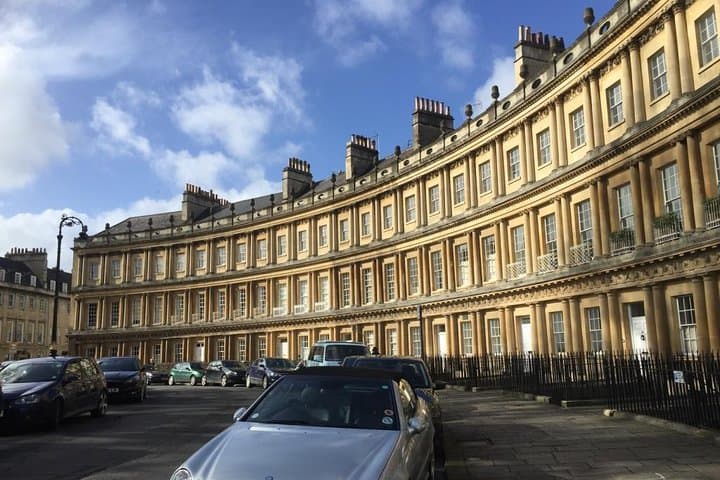
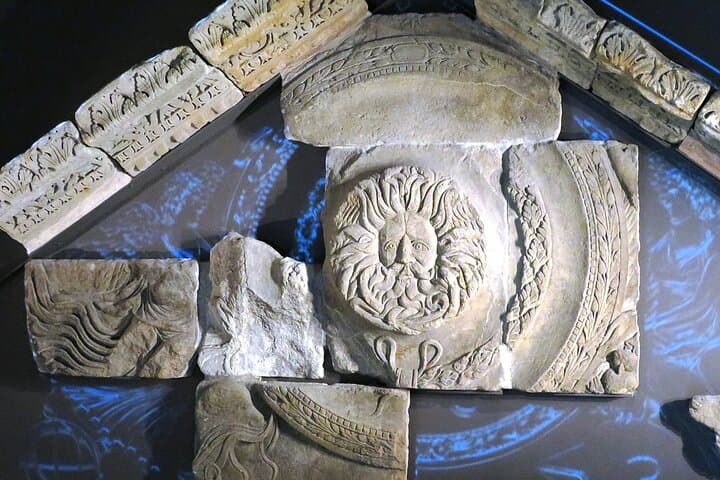
This day unfolds like three short essays on England’s past. Stonehenge speaks prehistoric engineering and celestial intent; its sarsen blocks and distant bluestones tell a geological story of glacial movement and ancient quarrying. Bath follows next: its Roman baths and hot springs layered beneath sweeping Georgian crescents by John Wood Sr. and Jr., a city rebuilt on Roman plumbing and 18th‑century taste. The drive into the northern Cotswolds finishes in Lacock, where a medieval village and the fortunes of the wool trade became film backdrops for modern storytelling.
Practical rhythm matters: the itinerary is long — expect a 10‑hour day with two or three short walks and several photo stops. Stonehenge and the Roman Baths usually require separate timed-entry tickets, so check admissions before you go. Wear sturdy shoes for uneven paths and cobbles, pack a waterproof layer regardless of forecast, and keep a small daypack for water and camera gear. If you want quieter photos, ask your guide about schedule tweaks; private transport makes early access possible. Above all, give these places their due — step lightly, follow paths, and you’ll leave with clearer facts and a sharper impression of why these sites endure.
easy.
10 hours.
Suitable for general fitness: mostly seated travel with short, easy walks of up to 30–45 minutes at each stop
No; this private tour typically does not include entrance fees—buy timed-entry tickets for the Roman Baths and Stonehenge separately when required.
Expect about a 10‑hour day with roughly 1–1.5 hours driving between major stops; most time is spent on short walks and sightseeing.
Yes—walking is light, but uneven surfaces exist; the operator notes the tour is suitable for all fitness levels and infant seats are available.
As a private tour, guides often accommodate reasonable requests—ask about earlier Stonehenge access or extra time in Bath when booking.
Stonehenge is a prehistoric ceremonial monument; Bath grew around Roman hot springs and was reshaped into a Georgian spa city, while the Cotswolds prospered on the medieval wool trade.
Sites are managed by English Heritage and the National Trust; stick to designated paths, follow guide instructions, and avoid any disturbance to archaeological remains or farmland.
Prestige Private Tours operates guided outdoor trips and adventures with an emphasis on safety, stewardship, and memorable experiences.
A pale dawn lifts over the A303 as your private vehicle threads across chalk downs toward a ring of stones that have watched the wind for millennia. You step from the van before the big coaches arrive; the sarsens cast long, cool shadows and the air tastes faintly of sea-swept moor and sheep. The stones feel like living thresholds — patient, weathered, and oddly direct — inviting questions rather than immediate answers.
A pale dawn lifts over the A303 as your private vehicle threads across chalk downs toward a ring of stones that have watched the wind for millennia. You step from the van before the big coaches arrive; the sarsens cast long, cool shadows and the air tastes faintly of sea-swept moor and sheep. The stones feel like living thresholds — patient, weathered, and oddly direct — inviting questions rather than immediate answers.
This day unfolds like three short essays on England’s past. Stonehenge speaks prehistoric engineering and celestial intent; its sarsen blocks and distant bluestones tell a geological story of glacial movement and ancient quarrying. Bath follows next: its Roman baths and hot springs layered beneath sweeping Georgian crescents by John Wood Sr. and Jr., a city rebuilt on Roman plumbing and 18th‑century taste. The drive into the northern Cotswolds finishes in Lacock, where a medieval village and the fortunes of the wool trade became film backdrops for modern storytelling.
Practical rhythm matters: the itinerary is long — expect a 10‑hour day with two or three short walks and several photo stops. Stonehenge and the Roman Baths usually require separate timed-entry tickets, so check admissions before you go. Wear sturdy shoes for uneven paths and cobbles, pack a waterproof layer regardless of forecast, and keep a small daypack for water and camera gear. If you want quieter photos, ask your guide about schedule tweaks; private transport makes early access possible. Above all, give these places their due — step lightly, follow paths, and you’ll leave with clearer facts and a sharper impression of why these sites endure.