THE ADVENTURE COLLECTIVE® · Independent discovery and booking for outdoor travel

Spend a day moving between Wiltshire’s ancient stones and Bath’s Roman baths on a private, bespoke tour from London. This guide covers what you’ll see, how the geology and history connect, and how to plan a smooth 8–12 hour outing.
Spend a day moving between Wiltshire’s ancient stones and Bath’s Roman baths on a private, bespoke tour from London. This guide covers what you’ll see, how the geology and history connect, and how to plan a smooth 8–12 hour outing.
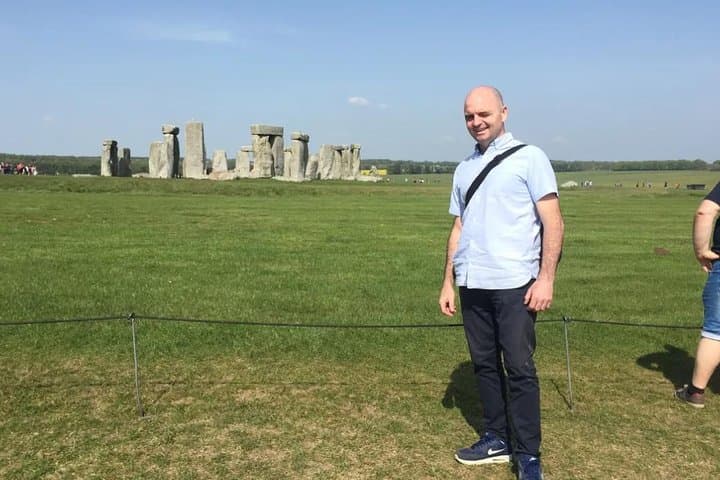
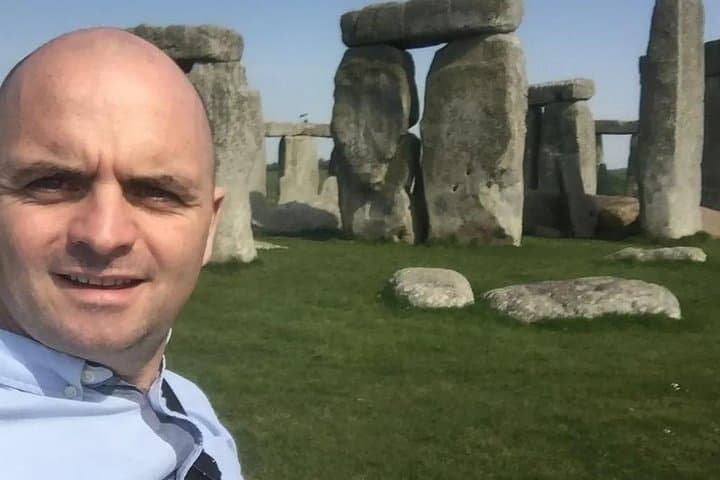
A low sun cuts across chalk downland as the guide turns off the A303 and the silence thickens—Stonehenge sits beyond a ring of fields, stone shadows long in the morning light.
Verified experiences and guided adventures in the surrounding area.
Operated by Explore Our London · Amesbury, Wiltshire
A low sun cuts across chalk downland as the guide turns off the A303 and the silence thickens—Stonehenge sits beyond a ring of fields, stone shadows long in the morning light.
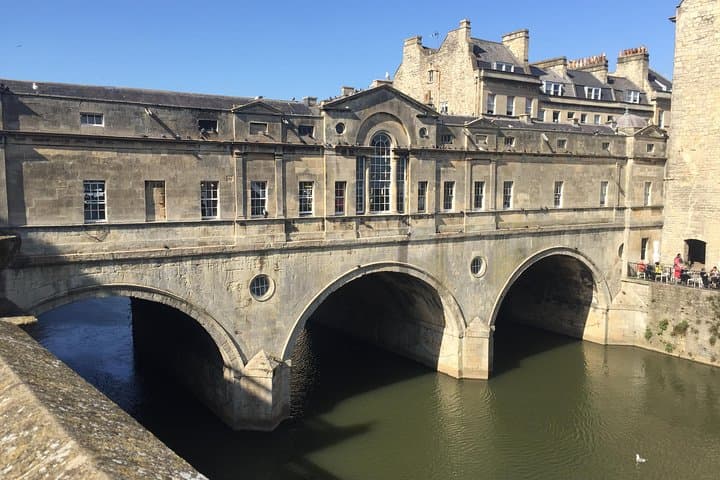
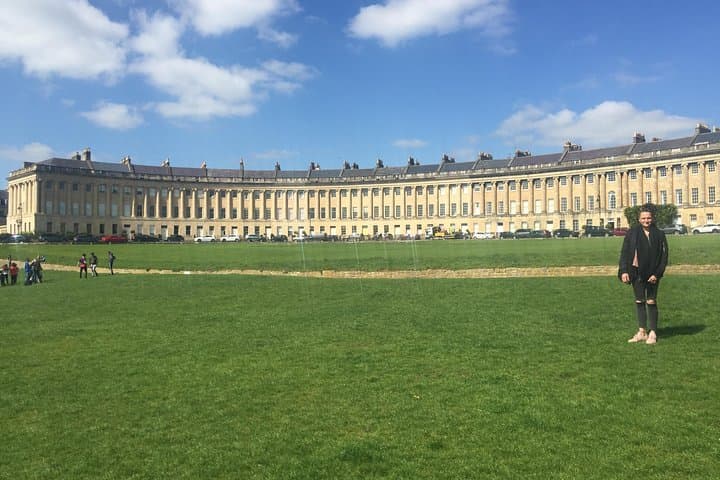
The private tour walks a measured line between spectacle and context: visitors step close to the monument’s arranged sarsens and hear concise explanations of Neolithic funerary landscapes, Bronze Age burial mounds and the later Georgian eyes cast toward Bath. Then the route pivots to Bath, where Georgian crescents rise from thermal springs and Roman baths keep the city’s layered history audible in stone and steam.
Geology and human story overlap here. The Salisbury Plain chalk supports the massive bluestones transported from Wales; Bath’s warm springs are a rare expression of fault-controlled groundwater heated at depth. Cultural notes surface en route—Amesbury’s prehistoric barrows, Bath’s Roman engineering and Georgian spa culture—giving texture to what can otherwise feel like postcard stops.
Practical guidance is direct: the full day runs 8–12 hours with significant time on foot in museums and at open sites; admission to Stonehenge and the Roman Baths is typically separate from transport and guide fees. Wear sturdy shoes for uneven grass and cobbles, layer for wind on the plain, and carry water and a small daypack. Early departures reduce crowds at Stonehenge; late afternoons in Bath favor softer light for architecture. Accessibility is good for much of the itinerary, but confirm mobility needs in advance for museum access and Stonehenge shuttle arrangements.
This private format lets groups set pace and focus—archaeology, architecture or relaxed sightseeing—while keeping logistics simple for a long, rewarding day outside London.
moderate.
8–12 hours.
Good for travelers able to walk several miles across uneven ground and stand through museum exhibits; not strenuous but a full day.
No—this private tour typically includes guide and transport; Stonehenge and Roman Baths tickets are usually paid separately, so confirm at booking.
Driving time is about 1.5–2 hours to Stonehenge depending on traffic; expect a full day when Bath is added to the itinerary.
Many parts of the itinerary are accessible but accessibility at Stonehenge involves a shuttle from the car park—advise the operator of mobility needs when booking.
Yes—this is a private, bespoke tour designed to focus on archaeology, architecture or a relaxed sightseeing pace per group preference.
Stonehenge sits at the center of a millennia-old ceremonial landscape; Bath grew as a Roman spa city harnessing natural thermal springs and later flourished under Georgian urban planning.
Visitor pressure is managed by timed entries and a Stonehenge visitor centre; stay on paths, avoid touching stones and use established facilities to reduce erosion and disturbance.
Explore Our London operates guided outdoor trips and adventures with an emphasis on safety, stewardship, and memorable experiences.
A low sun cuts across chalk downland as the guide turns off the A303 and the silence thickens—Stonehenge sits beyond a ring of fields, stone shadows long in the morning light.
A low sun cuts across chalk downland as the guide turns off the A303 and the silence thickens—Stonehenge sits beyond a ring of fields, stone shadows long in the morning light.
The private tour walks a measured line between spectacle and context: visitors step close to the monument’s arranged sarsens and hear concise explanations of Neolithic funerary landscapes, Bronze Age burial mounds and the later Georgian eyes cast toward Bath. Then the route pivots to Bath, where Georgian crescents rise from thermal springs and Roman baths keep the city’s layered history audible in stone and steam.
Geology and human story overlap here. The Salisbury Plain chalk supports the massive bluestones transported from Wales; Bath’s warm springs are a rare expression of fault-controlled groundwater heated at depth. Cultural notes surface en route—Amesbury’s prehistoric barrows, Bath’s Roman engineering and Georgian spa culture—giving texture to what can otherwise feel like postcard stops.
Practical guidance is direct: the full day runs 8–12 hours with significant time on foot in museums and at open sites; admission to Stonehenge and the Roman Baths is typically separate from transport and guide fees. Wear sturdy shoes for uneven grass and cobbles, layer for wind on the plain, and carry water and a small daypack. Early departures reduce crowds at Stonehenge; late afternoons in Bath favor softer light for architecture. Accessibility is good for much of the itinerary, but confirm mobility needs in advance for museum access and Stonehenge shuttle arrangements.
This private format lets groups set pace and focus—archaeology, architecture or relaxed sightseeing—while keeping logistics simple for a long, rewarding day outside London.