THE ADVENTURE COLLECTIVE® · Independent discovery and booking for outdoor travel

Wander among modern megaliths and learn to read the sky at Stonehenge Aotearoa. This self‑guided observatory tour combines hands‑on astronomy with easy walking and clear horizon views — ideal for families and first‑time stargazers.
Wander among modern megaliths and learn to read the sky at Stonehenge Aotearoa. This self‑guided observatory tour combines hands‑on astronomy with easy walking and clear horizon views — ideal for families and first‑time stargazers.
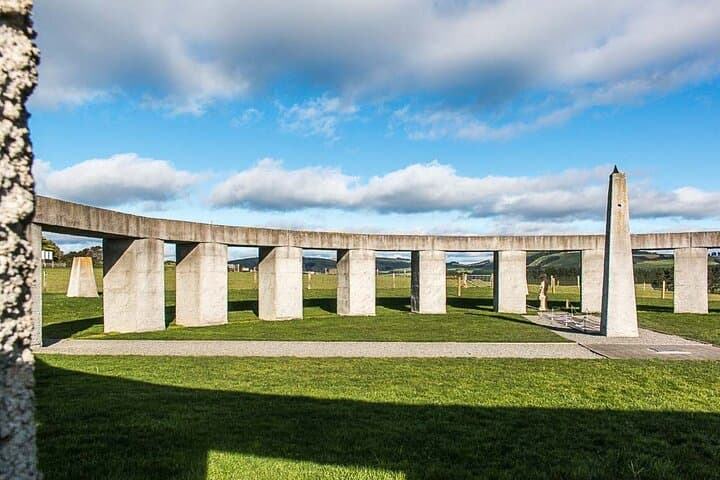
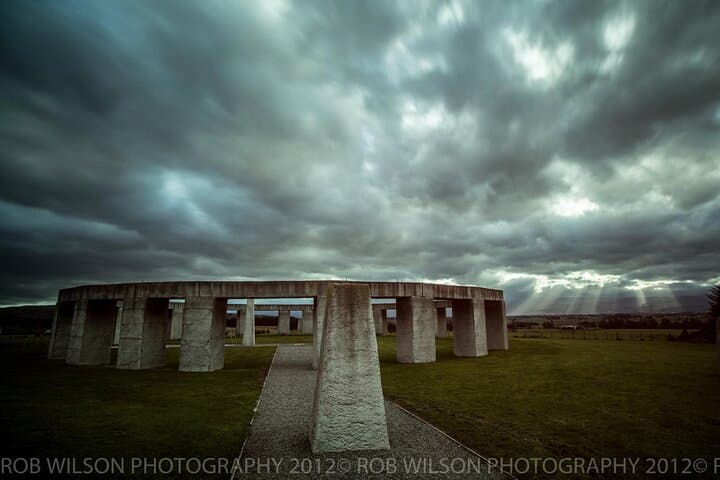
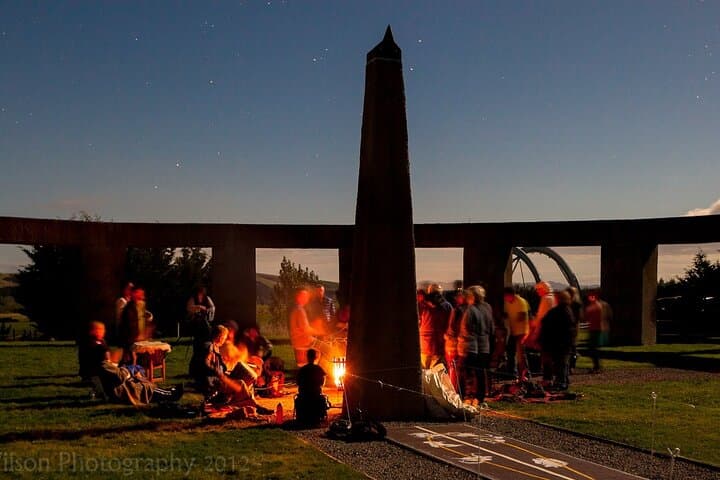
A short lane opens out onto rolling pasture and a ring of upright stones that frame the sky — here, at Stonehenge Aotearoa, the horizon is as much a feature as the stones themselves. Walk between the markers and the air changes: the wind reads the grass, the stones point like a slow clock, and the first stars begin to assert themselves.
Verified experiences and guided adventures in the surrounding area.
Operated by Stonehenge Aotearo · Carterton, Wairarapa
A short lane opens out onto rolling pasture and a ring of upright stones that frame the sky — here, at Stonehenge Aotearoa, the horizon is as much a feature as the stones themselves. Walk between the markers and the air changes: the wind reads the grass, the stones point like a slow clock, and the first stars begin to assert themselves.
Stonehenge Aotearoa is a modern open‑air observatory inspired by ancient stone circles such as England’s Stonehenge and Scotland’s Callanish. Built by New Zealand astronomers as a teaching circle, its alignments illustrate solar and lunar cycles and how traditional cultures tracked time and direction. The geology beneath is typical Wairarapa pastoral land—gently rolling loam that gives clear sightlines for horizon astronomy.
Culturally, the site bridges practical sky lore and public science: interpretive panels translate alignments into seasonal cues used by navigators and farmers. Local insights include nearby vineyards and coastal reserves that make a day trip easy to stretch into a full regional outing.
Practically: the self‑guided visit runs about an hour; a printed or mobile map is included at the visitors centre by the carpark. Paths are well-kept with short grass, some steps and optional grassy routes — good footwear matters. Arrive before dusk to orient the stones in daylight and stay after dark for constellation-reading. Bring a headlamp, warm layers, and respect the markers: do not climb the stones. The gate is open and the site is family-friendly, making this a compact, hands-on introduction to observational astronomy in New Zealand’s open sky.
easy.
1 hour.
Suitable for most fitness levels; minimal walking and short uneven sections.
Plan about 45–60 minutes to read displays, walk the circle and view horizon alignments; longer if you stay for stargazing.
Pathways are generally flat but there are some limited stairs and grassy alternative routes; accessibility is good to the visitors centre and main viewpoints, but check ahead for specific needs.
Yes — evenings are ideal for constellation viewing; bring warm clothing and a headlamp, and follow site rules for after-dark use.
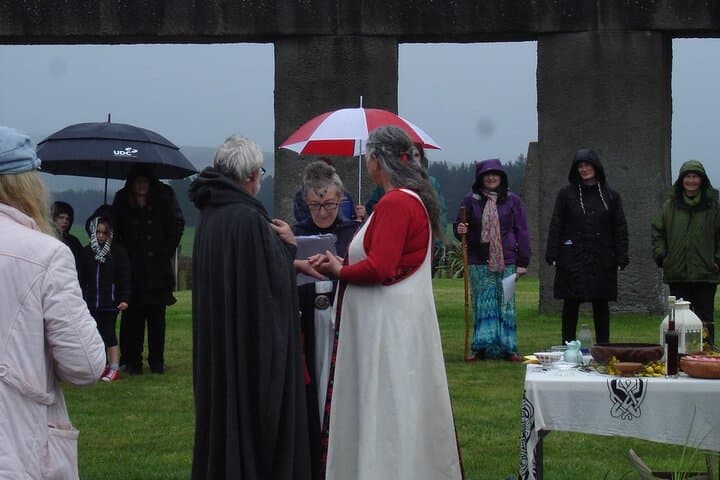
This offering is self-guided; however, the site runs occasional guided events and workshops — check the visitor centre schedule for special programs.
Opened in the early 2000s as a modern educational stone circle, the site was created by New Zealand astronomers to demonstrate ancient observational techniques adapted to southern skies.
The site encourages dark-sky friendly practices and staying on paths to protect grassland and cultural features; visitors are asked not to climb or move stones.
Stonehenge Aotearo operates guided outdoor trips and adventures with an emphasis on safety, stewardship, and memorable experiences.
A short lane opens out onto rolling pasture and a ring of upright stones that frame the sky — here, at Stonehenge Aotearoa, the horizon is as much a feature as the stones themselves. Walk between the markers and the air changes: the wind reads the grass, the stones point like a slow clock, and the first stars begin to assert themselves.
A short lane opens out onto rolling pasture and a ring of upright stones that frame the sky — here, at Stonehenge Aotearoa, the horizon is as much a feature as the stones themselves. Walk between the markers and the air changes: the wind reads the grass, the stones point like a slow clock, and the first stars begin to assert themselves.
Stonehenge Aotearoa is a modern open‑air observatory inspired by ancient stone circles such as England’s Stonehenge and Scotland’s Callanish. Built by New Zealand astronomers as a teaching circle, its alignments illustrate solar and lunar cycles and how traditional cultures tracked time and direction. The geology beneath is typical Wairarapa pastoral land—gently rolling loam that gives clear sightlines for horizon astronomy.
Culturally, the site bridges practical sky lore and public science: interpretive panels translate alignments into seasonal cues used by navigators and farmers. Local insights include nearby vineyards and coastal reserves that make a day trip easy to stretch into a full regional outing.
Practically: the self‑guided visit runs about an hour; a printed or mobile map is included at the visitors centre by the carpark. Paths are well-kept with short grass, some steps and optional grassy routes — good footwear matters. Arrive before dusk to orient the stones in daylight and stay after dark for constellation-reading. Bring a headlamp, warm layers, and respect the markers: do not climb the stones. The gate is open and the site is family-friendly, making this a compact, hands-on introduction to observational astronomy in New Zealand’s open sky.