THE ADVENTURE COLLECTIVE® · Independent discovery and booking for outdoor travel

Spend a day moving from prehistoric stones to medieval spires on a private tour from Southampton. This practical guide covers what to expect at Stonehenge and Salisbury Cathedral, plus timing, gear, and local tips.
Spend a day moving from prehistoric stones to medieval spires on a private tour from Southampton. This practical guide covers what to expect at Stonehenge and Salisbury Cathedral, plus timing, gear, and local tips.
The coach pulls away from the Southampton Cruise Terminal and the English coast slides back: chalk downs rise, fields knit with dry stone walls, and the air carries a faint sea salt that gives way to turf and peat. Arriving at Stonehenge, the stones stand austere against open sky — weathered, bold, and strangely immediate — inviting a quiet circuit along the visitor path and a museum that frames the site's Bronze Age context.
Verified experiences and guided adventures in the surrounding area.
Operated by May Premium Travel Limited · Salisbury, Wiltshire
The coach pulls away from the Southampton Cruise Terminal and the English coast slides back: chalk downs rise, fields knit with dry stone walls, and the air carries a faint sea salt that gives way to turf and peat. Arriving at Stonehenge, the stones stand austere against open sky — weathered, bold, and strangely immediate — inviting a quiet circuit along the visitor path and a museum that frames the site's Bronze Age context.
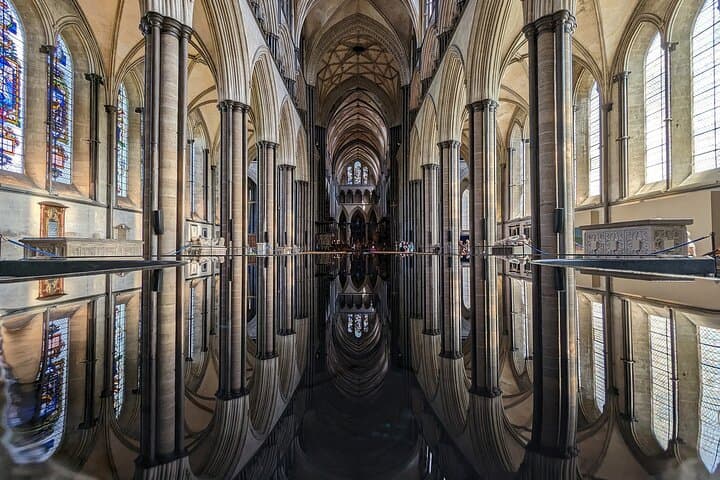
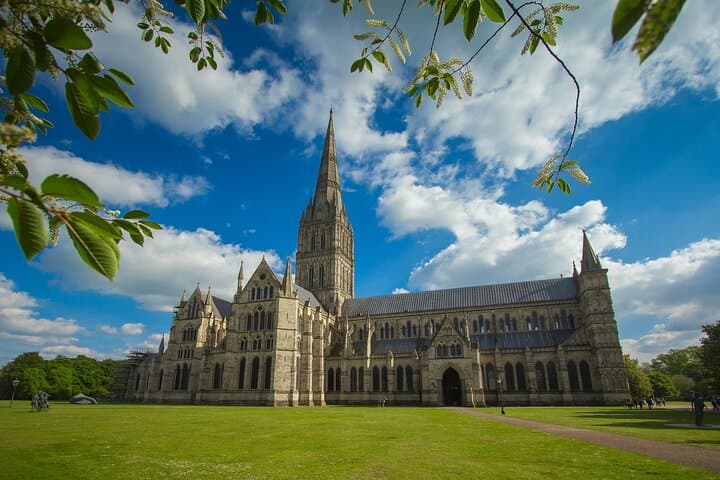
Stonehenge sits on Wessex chalk, its bluestones brought from Wales and sarsens lifted from local ridges; the site is both an engineering puzzle and a calendar carved in stone. Later, Salisbury unfurls a different layer of history — its 13th-century cathedral boasts the tallest spire in Britain and houses one of only four surviving original Magna Cartas. Between the two, you’ll pass rolling countryside that shaped medieval trade routes and sheep-grazing commons that echo rural English life.
Practicalities: this private excursion runs roughly 8–9 hours, with about two hours at Stonehenge (museum included) and 3.5 hours in Salisbury; cathedral admission is included. Wear sturdy walking shoes for uneven paths, and bring waterproof layers—rain can arrive quickly on the plains. Lunch options in Salisbury range from pub fare to café sandwiches; the town centre is compact and walkable.
Timing matters: aim for morning at Stonehenge to avoid peak crowds, then linger in Salisbury’s lanes and historic quarter. Respect fenced areas at Stonehenge, follow waymarked routes around the cathedral close, and leave space for other visitors — these sites have survived millennia because people have treated them carefully.
easy.
8–9 hours.
Suitable for most fitness levels; expect light walking up to a few miles on mostly flat but uneven terrain.
Admission to Stonehenge is not included in this tour; you have time to explore the site and museum independently during the stop.
Yes — admission to Salisbury Cathedral is included in the tour price, allowing access to the cathedral and the Magna Carta exhibit.
The tour is approximately 8–9 hours with about two hours at Stonehenge and roughly 3.5 hours of free time in Salisbury for lunch and local sightseeing.
This excursion departs from Southampton Cruise Terminal and is organized to fit typical cruise timetables; confirm pickup and return times when booking.
Stonehenge dates to the late Neolithic and Bronze Age and reflects complex prehistoric ritual and engineering; Salisbury Cathedral was founded in the 13th century and is home to one of the four original Magna Cartas.
Both sites manage visitor impact through designated paths and timed access—stick to barriers, follow signage, and avoid off-path walking to protect archaeology and fragile turf.
May Premium Travel Limited operates guided outdoor trips and adventures with an emphasis on safety, stewardship, and memorable experiences.
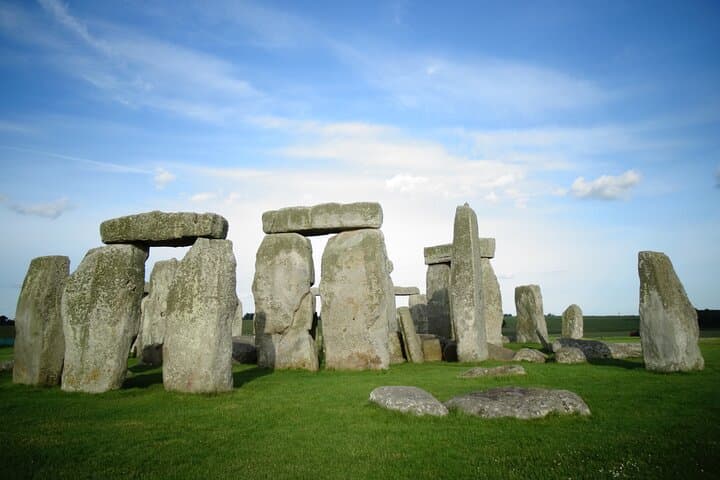
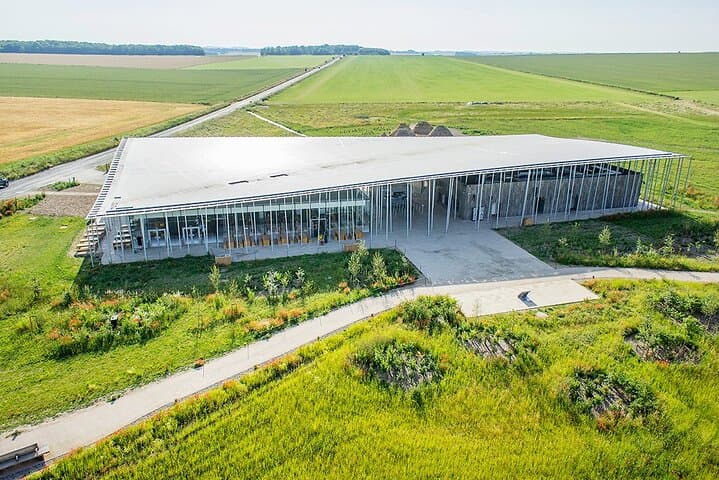
The coach pulls away from the Southampton Cruise Terminal and the English coast slides back: chalk downs rise, fields knit with dry stone walls, and the air carries a faint sea salt that gives way to turf and peat. Arriving at Stonehenge, the stones stand austere against open sky — weathered, bold, and strangely immediate — inviting a quiet circuit along the visitor path and a museum that frames the site's Bronze Age context.
The coach pulls away from the Southampton Cruise Terminal and the English coast slides back: chalk downs rise, fields knit with dry stone walls, and the air carries a faint sea salt that gives way to turf and peat. Arriving at Stonehenge, the stones stand austere against open sky — weathered, bold, and strangely immediate — inviting a quiet circuit along the visitor path and a museum that frames the site's Bronze Age context.
Stonehenge sits on Wessex chalk, its bluestones brought from Wales and sarsens lifted from local ridges; the site is both an engineering puzzle and a calendar carved in stone. Later, Salisbury unfurls a different layer of history — its 13th-century cathedral boasts the tallest spire in Britain and houses one of only four surviving original Magna Cartas. Between the two, you’ll pass rolling countryside that shaped medieval trade routes and sheep-grazing commons that echo rural English life.
Practicalities: this private excursion runs roughly 8–9 hours, with about two hours at Stonehenge (museum included) and 3.5 hours in Salisbury; cathedral admission is included. Wear sturdy walking shoes for uneven paths, and bring waterproof layers—rain can arrive quickly on the plains. Lunch options in Salisbury range from pub fare to café sandwiches; the town centre is compact and walkable.
Timing matters: aim for morning at Stonehenge to avoid peak crowds, then linger in Salisbury’s lanes and historic quarter. Respect fenced areas at Stonehenge, follow waymarked routes around the cathedral close, and leave space for other visitors — these sites have survived millennia because people have treated them carefully.