THE ADVENTURE COLLECTIVE® · Independent discovery and booking for outdoor travel

A full-day private chauffeured trip that pairs the mysterious stone circles of Stonehenge with the Roman Baths and Georgian architecture of Bath. Comfortable transport and a flexible itinerary let you set the pace for this 10–12 hour cultural and landscape tour from London.
A full-day private chauffeured trip that pairs the mysterious stone circles of Stonehenge with the Roman Baths and Georgian architecture of Bath. Comfortable transport and a flexible itinerary let you set the pace for this 10–12 hour cultural and landscape tour from London.
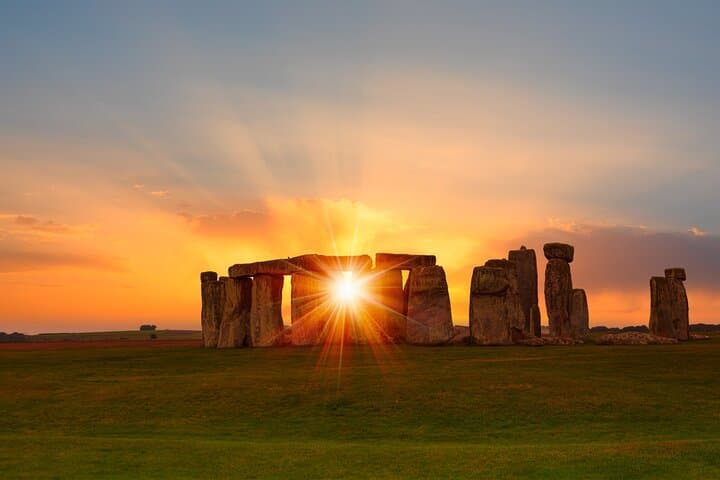
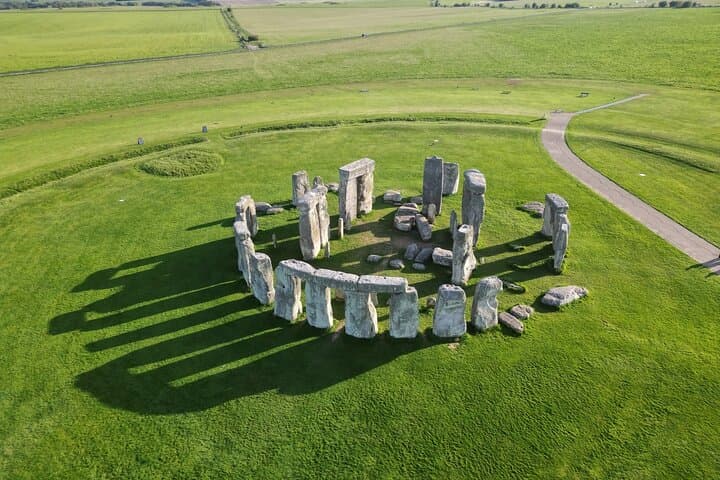
The Mercedes slides out of London before dawn, and the city’s hum gives way to chalk fields and clipped hedgerows. By midmorning the stones of Stonehenge rise from the Wiltshire plain—monoliths-weathered and mute—while the surrounding grassland seems to hold its breath.
Verified experiences and guided adventures in the surrounding area.
Operated by Paul Catchpole · London, England
The Mercedes slides out of London before dawn, and the city’s hum gives way to chalk fields and clipped hedgerows. By midmorning the stones of Stonehenge rise from the Wiltshire plain—monoliths-weathered and mute—while the surrounding grassland seems to hold its breath.
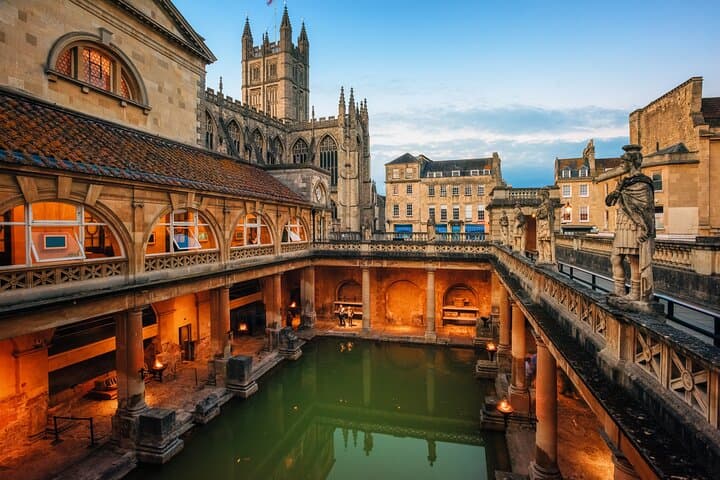
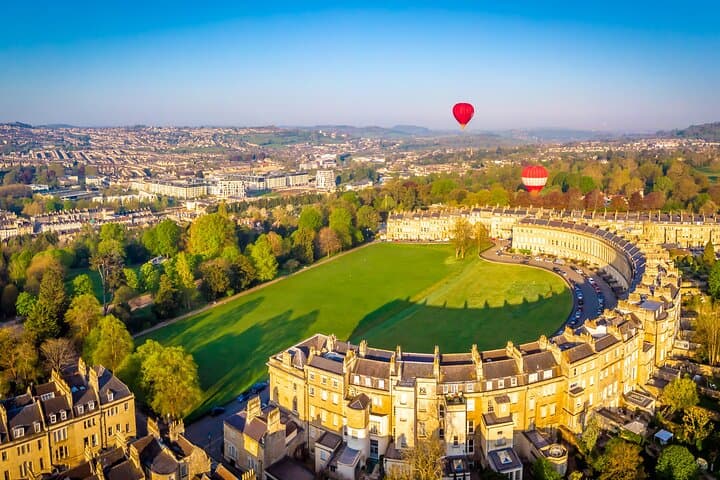
Stonehenge is a Neolithic and Bronze Age complex whose sarsen uprights and lintels date to around 2500 BCE; its bluestone components likely travelled from Wales, carried by human hands or pushed by glacial action. The visitor centre frames that deep prehistory with artifacts and reconstructions. A short drive away, Bath folds Roman engineering into Georgian grandeur: thermal springs that drew Roman worshippers to the goddess Sulis Minerva and later inspired elegant crescents and honey-colored stone façades along the River Avon, which nudges the city’s streets with steady confidence.
Culturally the day pairs quiet archaeology with curated urban history—open-air ruins and museum rooms, short walks and wide viewing platforms. Expect well-maintained paths at both sites, intermittent roadside villages, and the flexibility to linger where you choose because the chauffeur waits.
Practical notes: the full excursion runs about 10–12 hours; admission fees for Stonehenge and the Roman Baths are typically purchased separately, and both sites limit group size and entry windows. Wear comfortable shoes for uneven ground, bring weather layers for exposed plains, and book core admissions in advance to avoid sold-out time slots. Pickup from central London is standard; confirm exact pickup point and mobility needs when you book.
easy.
10–12 hours.
Suitable for most fitness levels; expect short, easy walks with occasional uneven surfaces and steps.
No—admission fees are not included in the tour price; it’s best to buy timed tickets in advance for both sites.
Pickup and drop-off are typically from any London address agreed at booking; confirm the exact pickup point and timing with the operator.
Yes—infant seats are available and the tour is rated easy, but check walking distances and bring a stroller if needed; some areas have steps.
Yes—the private chauffeur offers flexibility within the overall 10–12 hour schedule, though admissions and site rules may limit exact timing.
Stonehenge dates to the late Neolithic/early Bronze Age with phases from c.3000–2000 BCE; Bath grew as a Roman spa in the 1st century AD and later flourished in the Georgian era for its architecture and social life.
Stonehenge and Bath are managed by heritage bodies that limit access to protect fragile archaeology and thermal spring structures—stick to paths, follow signage, and avoid touching vulnerable features.
Paul Catchpole operates guided outdoor trips and adventures with an emphasis on safety, stewardship, and memorable experiences.
The Mercedes slides out of London before dawn, and the city’s hum gives way to chalk fields and clipped hedgerows. By midmorning the stones of Stonehenge rise from the Wiltshire plain—monoliths-weathered and mute—while the surrounding grassland seems to hold its breath.
The Mercedes slides out of London before dawn, and the city’s hum gives way to chalk fields and clipped hedgerows. By midmorning the stones of Stonehenge rise from the Wiltshire plain—monoliths-weathered and mute—while the surrounding grassland seems to hold its breath.
Stonehenge is a Neolithic and Bronze Age complex whose sarsen uprights and lintels date to around 2500 BCE; its bluestone components likely travelled from Wales, carried by human hands or pushed by glacial action. The visitor centre frames that deep prehistory with artifacts and reconstructions. A short drive away, Bath folds Roman engineering into Georgian grandeur: thermal springs that drew Roman worshippers to the goddess Sulis Minerva and later inspired elegant crescents and honey-colored stone façades along the River Avon, which nudges the city’s streets with steady confidence.
Culturally the day pairs quiet archaeology with curated urban history—open-air ruins and museum rooms, short walks and wide viewing platforms. Expect well-maintained paths at both sites, intermittent roadside villages, and the flexibility to linger where you choose because the chauffeur waits.
Practical notes: the full excursion runs about 10–12 hours; admission fees for Stonehenge and the Roman Baths are typically purchased separately, and both sites limit group size and entry windows. Wear comfortable shoes for uneven ground, bring weather layers for exposed plains, and book core admissions in advance to avoid sold-out time slots. Pickup from central London is standard; confirm exact pickup point and mobility needs when you book.