THE ADVENTURE COLLECTIVE® · Independent discovery and booking for outdoor travel

A full-day coach tour from Oxford that pairs Bath’s Roman Baths and Georgian streets with the prehistoric drama of Stonehenge. Ideal for travelers who want expert-guided context and skip-the-line entries to two of southern England’s top sites.
A full-day coach tour from Oxford that pairs Bath’s Roman Baths and Georgian streets with the prehistoric drama of Stonehenge. Ideal for travelers who want expert-guided context and skip-the-line entries to two of southern England’s top sites.
Morning light breaks over Beaumont Street as the coach pulls away from central Oxford, and the city’s dreaming spires shrink into the rear-view. The road heads west through farmed Wiltshire, and by mid-morning you’re walking Bath’s honey-colored streets: Georgian terraces, Bath Abbey’s gothic outline, and the steaming pool at the Roman Baths where hot spring water still rises from below.
Verified experiences and guided adventures in the surrounding area.
Operated by Golden Tours Gray Line London · Amesbury, Wiltshire
Morning light breaks over Beaumont Street as the coach pulls away from central Oxford, and the city’s dreaming spires shrink into the rear-view. The road heads west through farmed Wiltshire, and by mid-morning you’re walking Bath’s honey-colored streets: Georgian terraces, Bath Abbey’s gothic outline, and the steaming pool at the Roman Baths where hot spring water still rises from below.
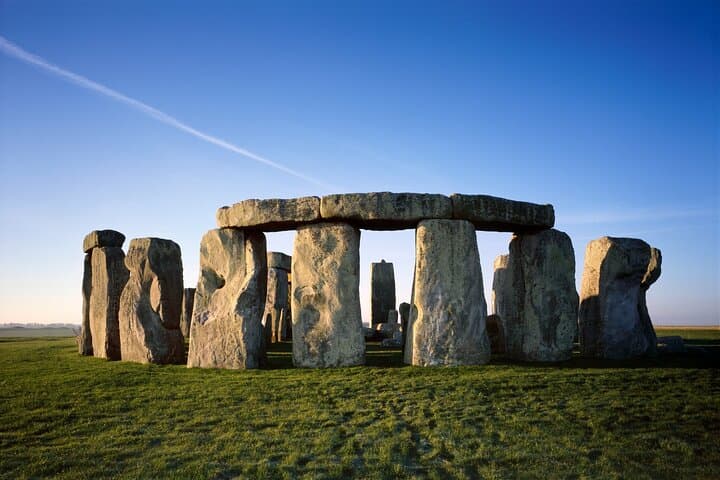
The route moves from Roman engineering to Neolithic mystery. Stonehenge sits on a windswept Salisbury Plain—massive sarsen rings and lintels arranged with geometric precision. The visitor centre frames the stones with archaeology displays, reconstructed Neolithic houses and finds that explain how the monument fits into a broader prehistoric landscape.
History layers fast here: Romans built public baths around a sacred thermal spring in what became a provincial spa; millennia earlier, hunter-gatherers and early farmers raised monumental stone architecture for reasons still debated—astronomy, ritual, or community focus.
Practicalities matter on a one-day itinerary: expect around nine hours away from Oxford with two substantial stops and walking on uneven surfaces. Bring waterproofs and sturdy shoes for exposed sections at Stonehenge, and allow time in Bath for the Roman Baths museum rather than the modern spa pools. The tour includes entry to both sites and an English-speaking guide; keep your e-ticket handy and plan for a full day that balances close-up history with wide-open landscapes.
moderate.
9 hours.
Suitable for travelers with moderate fitness who can stand and walk for multiple short periods and manage uneven ground.
Yes—the tour price includes entry to the Roman Baths and Stonehenge visitor centre and grounds as listed; bring your e-ticket to access both.
Plan for several short to moderate walks: around Bath’s compact center and a grassy circuit near Stonehenge; surfaces include cobbles, paved paths, and uneven turf.
The coach and visitor centres are typically accessible, but outdoor terrain at Stonehenge and some cobbled areas in Bath may limit access—contact the operator about specific needs.
It meets outside the Randolph Hotel on Beaumont Street in Oxford with a scheduled departure in the morning and returns to the same meeting point in the evening.
Stonehenge was mainly constructed around 2500 BC; Bath rose to prominence under Roman rule after AD 60 for its thermal springs.
Both sites limit direct contact—Stonehenge has protected perimeters and a visitor centre to reduce erosion; visitors are asked to stay on paths and follow site rules to protect archaeology.
Golden Tours Gray Line London operates guided outdoor trips and adventures with an emphasis on safety, stewardship, and memorable experiences.
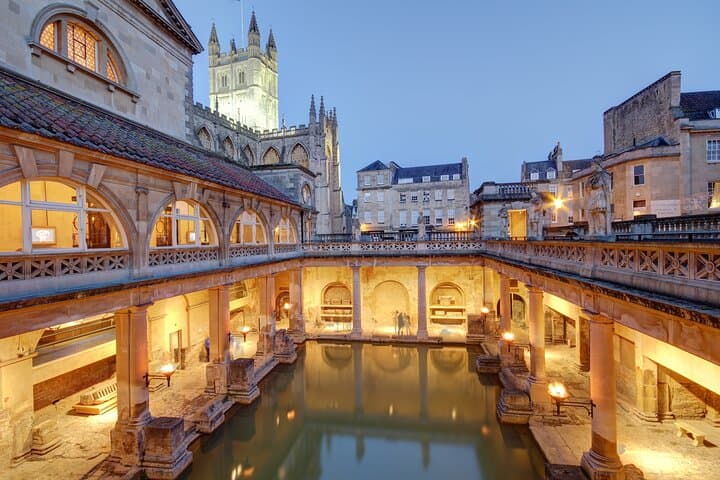
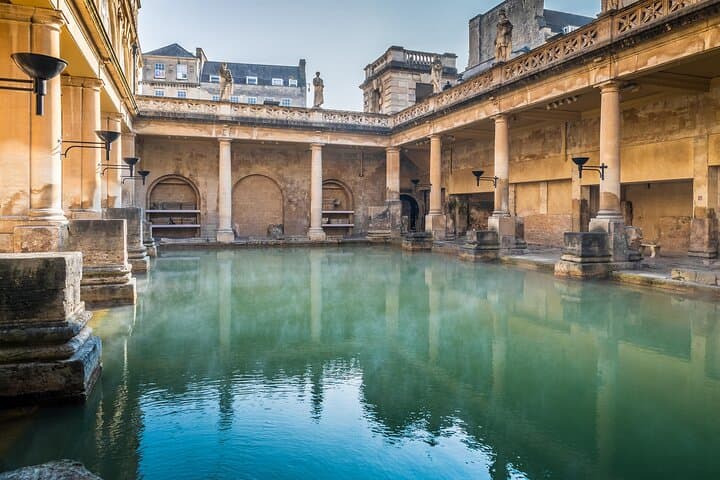
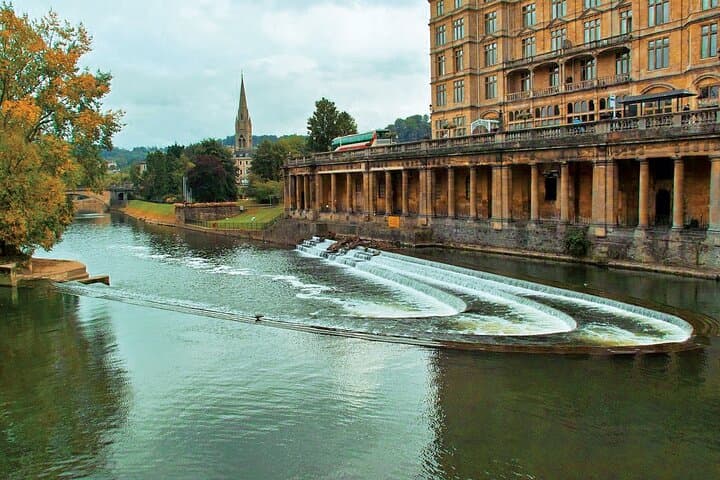
Morning light breaks over Beaumont Street as the coach pulls away from central Oxford, and the city’s dreaming spires shrink into the rear-view. The road heads west through farmed Wiltshire, and by mid-morning you’re walking Bath’s honey-colored streets: Georgian terraces, Bath Abbey’s gothic outline, and the steaming pool at the Roman Baths where hot spring water still rises from below.
Morning light breaks over Beaumont Street as the coach pulls away from central Oxford, and the city’s dreaming spires shrink into the rear-view. The road heads west through farmed Wiltshire, and by mid-morning you’re walking Bath’s honey-colored streets: Georgian terraces, Bath Abbey’s gothic outline, and the steaming pool at the Roman Baths where hot spring water still rises from below.
The route moves from Roman engineering to Neolithic mystery. Stonehenge sits on a windswept Salisbury Plain—massive sarsen rings and lintels arranged with geometric precision. The visitor centre frames the stones with archaeology displays, reconstructed Neolithic houses and finds that explain how the monument fits into a broader prehistoric landscape.
History layers fast here: Romans built public baths around a sacred thermal spring in what became a provincial spa; millennia earlier, hunter-gatherers and early farmers raised monumental stone architecture for reasons still debated—astronomy, ritual, or community focus.
Practicalities matter on a one-day itinerary: expect around nine hours away from Oxford with two substantial stops and walking on uneven surfaces. Bring waterproofs and sturdy shoes for exposed sections at Stonehenge, and allow time in Bath for the Roman Baths museum rather than the modern spa pools. The tour includes entry to both sites and an English-speaking guide; keep your e-ticket handy and plan for a full day that balances close-up history with wide-open landscapes.