THE ADVENTURE COLLECTIVE® · Independent discovery and booking for outdoor travel

A full-day guided trip from London that pairs the prehistoric drama of Stonehenge with Bath's Roman Baths and Georgian streets. Expect a ten-hour loop with guided stops, manageable walking, and strong historical context.
A full-day guided trip from London that pairs the prehistoric drama of Stonehenge with Bath's Roman Baths and Georgian streets. Expect a ten-hour loop with guided stops, manageable walking, and strong historical context.
You step off the coach into low, windswept grass; the stone ring sits like an argument with the sky, each megalith pressing its weight into a horizon that has kept secrets for millennia. Later, in Bath, Georgian terraces unfurl like an arranged stage for the Roman Baths, steamless now but thick with stories. The day balances these contrasts—raw prehistoric landscape and polished 18th-century urban grace.
Verified experiences and guided adventures in the surrounding area.
Operated by European Voyages · Amesbury, Wiltshire
You step off the coach into low, windswept grass; the stone ring sits like an argument with the sky, each megalith pressing its weight into a horizon that has kept secrets for millennia. Later, in Bath, Georgian terraces unfurl like an arranged stage for the Roman Baths, steamless now but thick with stories. The day balances these contrasts—raw prehistoric landscape and polished 18th-century urban grace.
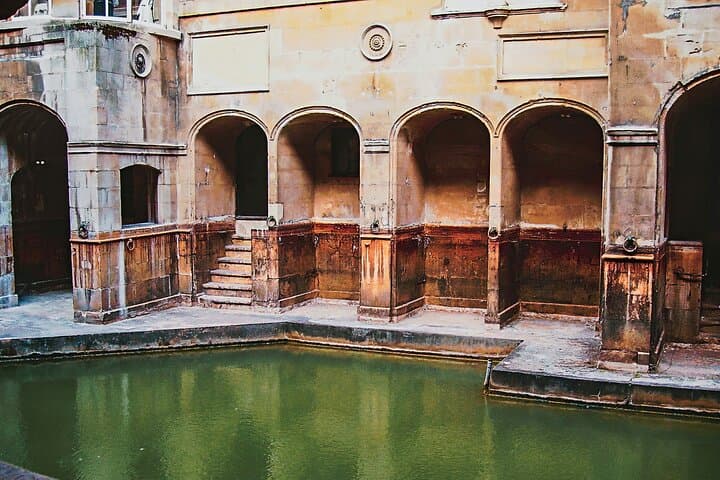
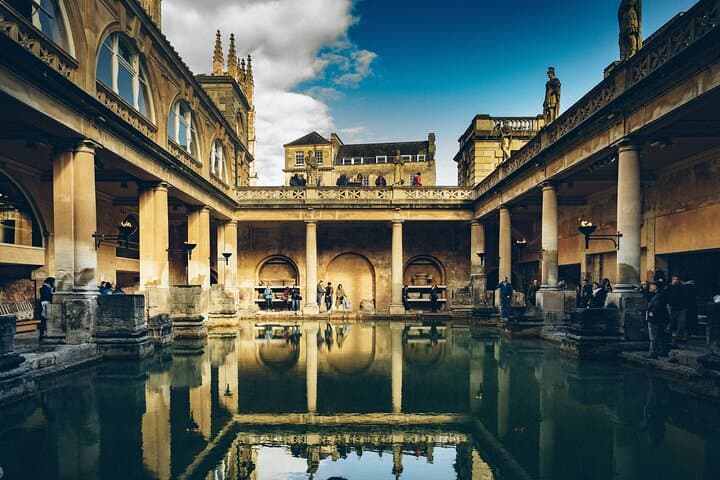
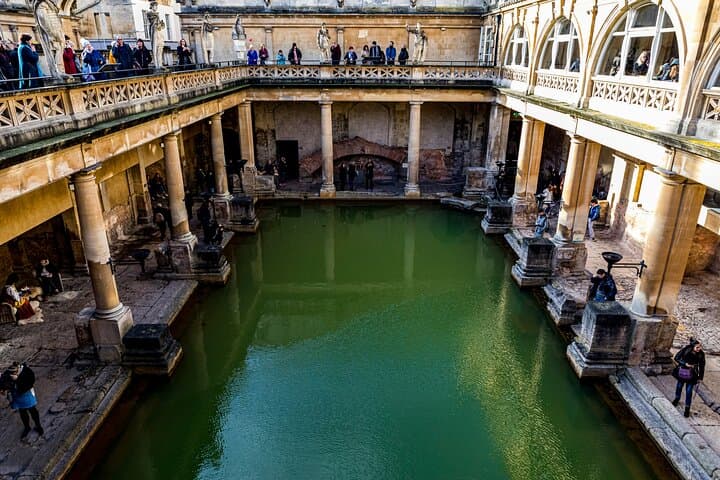
Stonehenge occupies a chalk plain west of Salisbury, a Neolithic construct aligned with solstices and engineered across generations. Geology here is simple: chalk scarp and rolling downland that made moving sarsen stones feasible. Bath, fed by hot springs, grew wealthy under the Romans who built the bathing complex that still reveals imperial plumbing and ritual life; the city later flourished in Georgian stonework and social culture.
Expect about 10 hours on a guided loop from London: roughly 2 hours driving each way plus two one-hour stops for the Roman Baths and Stonehenge visitor center and circle access. Terrain at Stonehenge is flat grass—exposed to wind—while Bath involves paved streets and short steps. Bring comfortable walking shoes and a windproof layer; the sites are lightly managed but can be busy in summer.
Practical tips: aim for an early departure to avoid afternoon coach traffic, book entrance times for Stonehenge in advance, and allow extra time in Bath for a quick museum stop or a riverside coffee. Hydrate on the road, keep valuables secure in town, and respect fenced conservation zones—these places have endured by limits on where visitors tread.
easy.
10 hours.
Suitable for most fitness levels—mostly short walks, some standing; accessible areas provided at both sites
The tour is approximately 10 hours total and most departures are from central London pickup points; check your booking for exact pickup location and time.
Yes—this tour includes entrance tickets to both Stonehenge and the Roman Baths as part of the itinerary.
The tour is family-friendly and considered easy, but Stonehenge’s grass areas are uneven; accessible routes and facilities are available at both visitor centers—notify the operator of special requirements.
Photography is allowed in most outdoor areas; some indoor exhibits may restrict flash—follow onsite signage and any guide instructions.
Stonehenge dates to around 2500 BCE and aligns with solstices; Bath’s hot springs attracted Roman baths and later Georgian development that shaped the city seen today.
Both sites manage visitor access to protect fragile archaeology and landscapes—stay on paths, avoid touching stones, and follow site steward guidance to limit erosion and disturbance.
European Voyages operates guided outdoor trips and adventures with an emphasis on safety, stewardship, and memorable experiences.

You step off the coach into low, windswept grass; the stone ring sits like an argument with the sky, each megalith pressing its weight into a horizon that has kept secrets for millennia. Later, in Bath, Georgian terraces unfurl like an arranged stage for the Roman Baths, steamless now but thick with stories. The day balances these contrasts—raw prehistoric landscape and polished 18th-century urban grace.
You step off the coach into low, windswept grass; the stone ring sits like an argument with the sky, each megalith pressing its weight into a horizon that has kept secrets for millennia. Later, in Bath, Georgian terraces unfurl like an arranged stage for the Roman Baths, steamless now but thick with stories. The day balances these contrasts—raw prehistoric landscape and polished 18th-century urban grace.
Stonehenge occupies a chalk plain west of Salisbury, a Neolithic construct aligned with solstices and engineered across generations. Geology here is simple: chalk scarp and rolling downland that made moving sarsen stones feasible. Bath, fed by hot springs, grew wealthy under the Romans who built the bathing complex that still reveals imperial plumbing and ritual life; the city later flourished in Georgian stonework and social culture.
Expect about 10 hours on a guided loop from London: roughly 2 hours driving each way plus two one-hour stops for the Roman Baths and Stonehenge visitor center and circle access. Terrain at Stonehenge is flat grass—exposed to wind—while Bath involves paved streets and short steps. Bring comfortable walking shoes and a windproof layer; the sites are lightly managed but can be busy in summer.
Practical tips: aim for an early departure to avoid afternoon coach traffic, book entrance times for Stonehenge in advance, and allow extra time in Bath for a quick museum stop or a riverside coffee. Hydrate on the road, keep valuables secure in town, and respect fenced conservation zones—these places have endured by limits on where visitors tread.