THE ADVENTURE COLLECTIVE® · Independent discovery and booking for outdoor travel

Travel from London into the chalk downs to stand at Stonehenge, pause at Runnymede where the Magna Carta was sealed, and wander the streets of ancient Winchester—all on a small-group day tour with a knowledgeable guide.
Travel from London into the chalk downs to stand at Stonehenge, pause at Runnymede where the Magna Carta was sealed, and wander the streets of ancient Winchester—all on a small-group day tour with a knowledgeable guide.
A low-slung Mercedes mini-coach hums out of London before the countryside of Wessex opens—rolling chalk downland, clipped hedgerows, and that sudden, almost theatrical reveal of upright stones on the horizon. At Stonehenge you step from asphalt into a place that plateaus time: weathered sarsens ring a center whose alignments still mark the sun’s passage across millennia.
Verified experiences and guided adventures in the surrounding area.
Operated by Rabbies Trail Burners · Amesbury, Wiltshire
A low-slung Mercedes mini-coach hums out of London before the countryside of Wessex opens—rolling chalk downland, clipped hedgerows, and that sudden, almost theatrical reveal of upright stones on the horizon. At Stonehenge you step from asphalt into a place that plateaus time: weathered sarsens ring a center whose alignments still mark the sun’s passage across millennia.
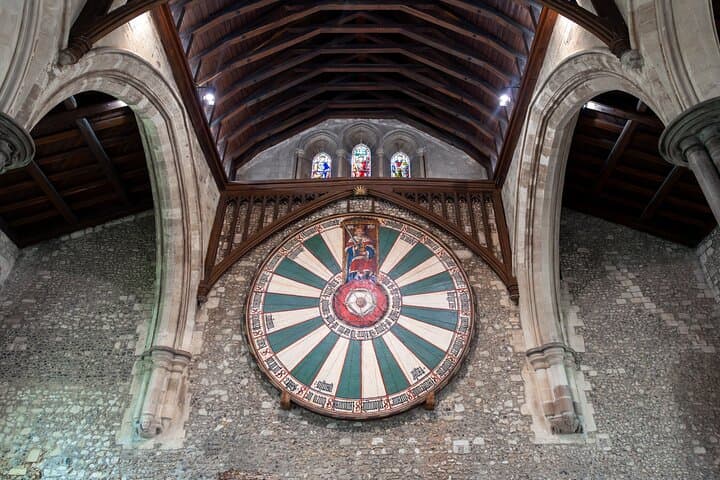
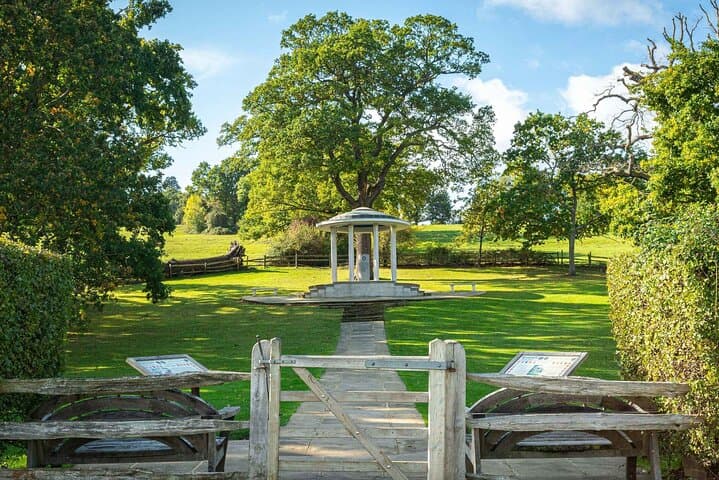
This route threads three different layers of English history. Stonehenge, built in phases from around 3000–2000 BCE, sits on rich chalk geology that preserved barrows and trackways for prehistoric communities. Runnymede’s riverside meadow is quieter but politically seismic: the sealing of the Magna Carta in 1215 shaped modern legal rights. Winchester, once England’s capital, layers Roman towns, Saxon palaces and a Norman cathedral where Jane Austen’s grave draws literary pilgrims.
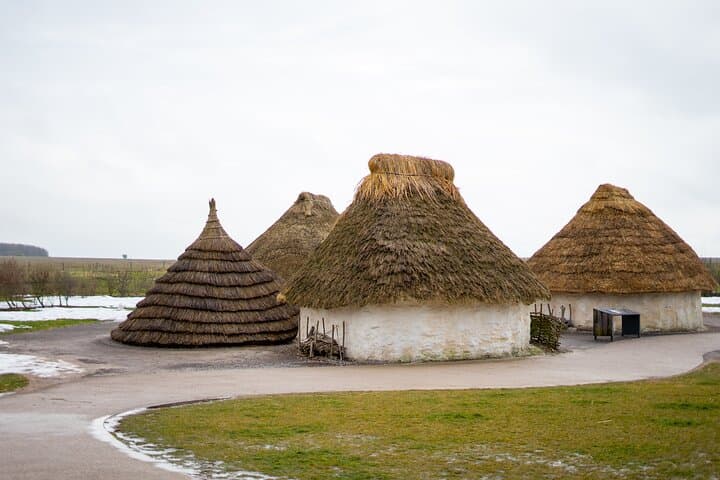
Expect interpretive exhibits at the Stonehenge visitor centre, short meadow walks at Runnymede and 19th-century streets in Winchester. The day tour favors a measured pace—ample time at the stones, a guided narrative on the coach, and free time for lunch and cathedral visits.
Practical guidance: arrive on time for the 16-seat coach, dress for wind and sudden sun on exposed chalk downs, and allow uncomfortable footwear to be a dealbreaker—paths can be muddy after rain. Respect fenced areas around the monument; admission is included, but guided access follows visitor-centre routing. For photographers, mid- to late-afternoon light softens the stone silhouettes; mornings bring fewer crowds. Hydrate, pack a compact rain layer, and bring a map or offline directions for Winchester’s compact center if you plan extra exploring.
easy.
9–10 hours.
Suitable for travelers with basic mobility who can manage short walks and standing for periods
Yes; the tour includes admission to the Stonehenge visitor centre and timed entry to the stone circle area according to the itinerary.
The operator will confirm a central London meeting point in advance—arrive 15 minutes early to check in and store allowed luggage.
Children under 5 are not permitted on this tour; other ages are allowed but check the operator’s policy when booking.
Yes; the itinerary includes free time in Winchester for lunch and independent exploration of the cathedral and city streets.
Stonehenge dates to the late Neolithic and Bronze Age (c.3000–2000 BCE); Runnymede is the riverside site where the Magna Carta was sealed in 1215.
Visitor routes and fenced areas protect fragile archaeology and chalk grassland; stay on designated paths, avoid littering and follow site staff guidance.
Rabbies Trail Burners operates guided outdoor trips and adventures with an emphasis on safety, stewardship, and memorable experiences.
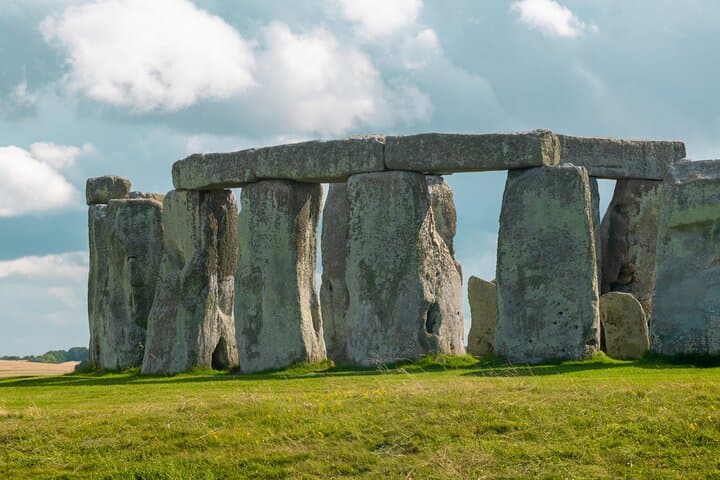
A low-slung Mercedes mini-coach hums out of London before the countryside of Wessex opens—rolling chalk downland, clipped hedgerows, and that sudden, almost theatrical reveal of upright stones on the horizon. At Stonehenge you step from asphalt into a place that plateaus time: weathered sarsens ring a center whose alignments still mark the sun’s passage across millennia.
A low-slung Mercedes mini-coach hums out of London before the countryside of Wessex opens—rolling chalk downland, clipped hedgerows, and that sudden, almost theatrical reveal of upright stones on the horizon. At Stonehenge you step from asphalt into a place that plateaus time: weathered sarsens ring a center whose alignments still mark the sun’s passage across millennia.
This route threads three different layers of English history. Stonehenge, built in phases from around 3000–2000 BCE, sits on rich chalk geology that preserved barrows and trackways for prehistoric communities. Runnymede’s riverside meadow is quieter but politically seismic: the sealing of the Magna Carta in 1215 shaped modern legal rights. Winchester, once England’s capital, layers Roman towns, Saxon palaces and a Norman cathedral where Jane Austen’s grave draws literary pilgrims.
Expect interpretive exhibits at the Stonehenge visitor centre, short meadow walks at Runnymede and 19th-century streets in Winchester. The day tour favors a measured pace—ample time at the stones, a guided narrative on the coach, and free time for lunch and cathedral visits.
Practical guidance: arrive on time for the 16-seat coach, dress for wind and sudden sun on exposed chalk downs, and allow uncomfortable footwear to be a dealbreaker—paths can be muddy after rain. Respect fenced areas around the monument; admission is included, but guided access follows visitor-centre routing. For photographers, mid- to late-afternoon light softens the stone silhouettes; mornings bring fewer crowds. Hydrate, pack a compact rain layer, and bring a map or offline directions for Winchester’s compact center if you plan extra exploring.