THE ADVENTURE COLLECTIVE® · Independent discovery and booking for outdoor travel

Step onto Salisbury Plain and into 5,000 years of human history. This short, timed visit to Stonehenge offers a close study of the stones, clear context at the visitor center, and practical tips for timing, transport, and weather.
Step onto Salisbury Plain and into 5,000 years of human history. This short, timed visit to Stonehenge offers a close study of the stones, clear context at the visitor center, and practical tips for timing, transport, and weather.
A low wind rolls over the chalk of Salisbury Plain as visitors step from the path and the stones rise into view—massive, weathered, and stubbornly mute. Stonehenge does not demand spectacle; it compels attention. Approaching the circle, the textured faces of sarsens and bluestones hold the light differently, and the plain seems to breathe around the monument.
Verified experiences and guided adventures in the surrounding area.
Operated by Levifly UK · Salisbury, Wiltshire
A low wind rolls over the chalk of Salisbury Plain as visitors step from the path and the stones rise into view—massive, weathered, and stubbornly mute. Stonehenge does not demand spectacle; it compels attention. Approaching the circle, the textured faces of sarsens and bluestones hold the light differently, and the plain seems to breathe around the monument.
Built in stages between about 3000 and 1600 BCE, Stonehenge is the late chapter of a long sequence of circular monuments across southern Britain. Geologically the stones are local sarsen and imported bluestone, and astronomically the layout aligns with the midsummer sunrise and midwinter sunset, which explains centuries of pilgrim and scholarly visits. Nearby communities on Salisbury Plain and the Neolithic remains at Avebury and Old Sarum add cultural layers to the visit.
This ticketed admission is a short, focused stop—typically around 30 minutes—giving time to walk the outer path, read interpretive panels, and absorb the view. English Heritage manages access; visitors must stay behind the stones except on rare special-access days. Expect open skies, gusting wind, and firm gravel paths underfoot.
Practical tips: arrive with a timed entry (mobile ticket accepted), layer for unpredictable weather, and allow extra time for the exhibition at the visitor center if you want context. Photography is allowed but climbing or touching the stones is prohibited. Public transport and car parking are nearby; plan for security checks and seasonal crowds—early morning or late afternoon slots reduce people density. Stonehenge rewards quiet attention: stand, listen to the plain, and let the monument keep its secrets.
easy.
30 minutes.
Suitable for all fitness levels; involves short walks on firm paths and some standing.
The on-site visit with a timed ticket is typically 30 minutes, but allow 1–2 hours if you want to explore the visitor center and exhibition.
General admission keeps visitors on a designated path around the monument; touching or climbing the stones is not allowed except on rare special-access events.
Yes—regular buses and tour services run from Salisbury; the visitor center and car park are a short transfer from nearby stops.
Cancellation policies vary; check your booking terms—English Heritage may close in extreme conditions, and refunds depend on the vendor's policy.
Stonehenge was constructed in phases from roughly 3000–1600 BCE and aligns with solstice solar events, reflecting its ritual and astronomical importance.
English Heritage manages visitor access and conservation—stay on paths, follow signage, and avoid disturbing archaeology to protect fragile soils and features.
Levifly UK operates guided outdoor trips and adventures with an emphasis on safety, stewardship, and memorable experiences.
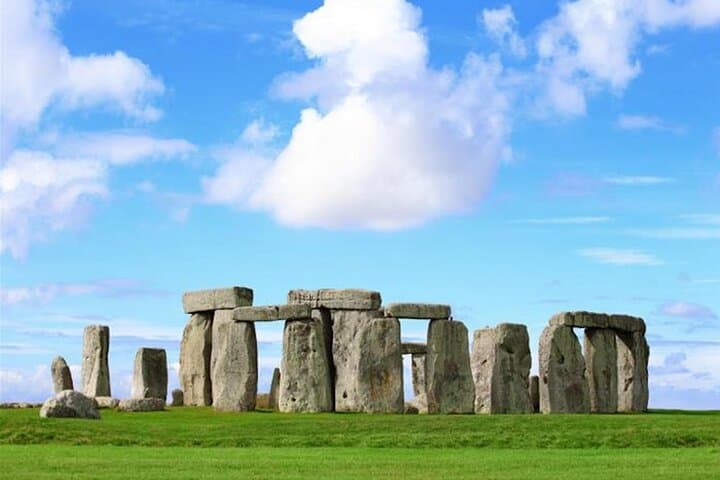
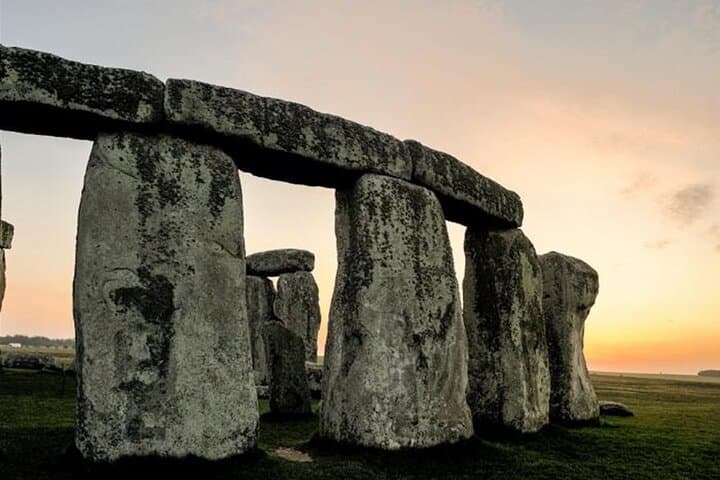
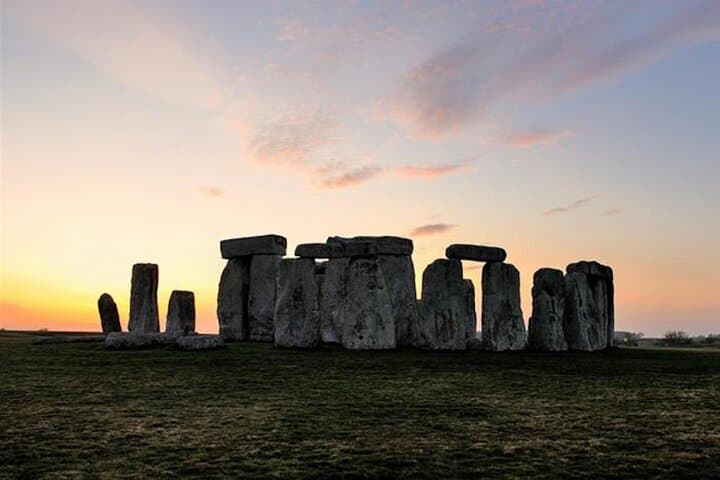
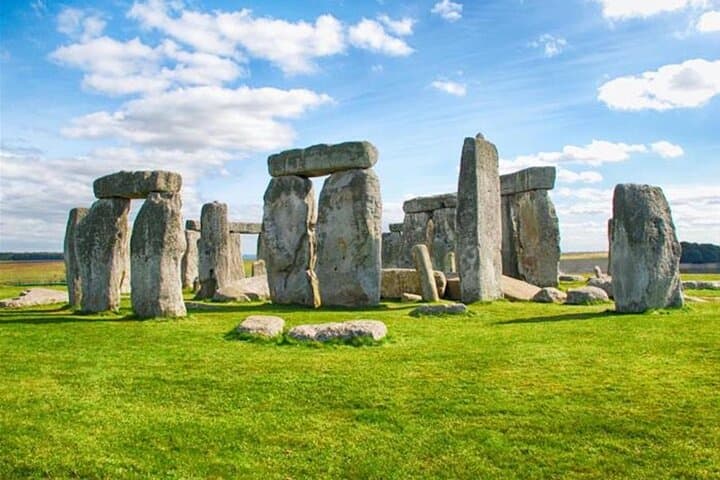
A low wind rolls over the chalk of Salisbury Plain as visitors step from the path and the stones rise into view—massive, weathered, and stubbornly mute. Stonehenge does not demand spectacle; it compels attention. Approaching the circle, the textured faces of sarsens and bluestones hold the light differently, and the plain seems to breathe around the monument.
A low wind rolls over the chalk of Salisbury Plain as visitors step from the path and the stones rise into view—massive, weathered, and stubbornly mute. Stonehenge does not demand spectacle; it compels attention. Approaching the circle, the textured faces of sarsens and bluestones hold the light differently, and the plain seems to breathe around the monument.
Built in stages between about 3000 and 1600 BCE, Stonehenge is the late chapter of a long sequence of circular monuments across southern Britain. Geologically the stones are local sarsen and imported bluestone, and astronomically the layout aligns with the midsummer sunrise and midwinter sunset, which explains centuries of pilgrim and scholarly visits. Nearby communities on Salisbury Plain and the Neolithic remains at Avebury and Old Sarum add cultural layers to the visit.
This ticketed admission is a short, focused stop—typically around 30 minutes—giving time to walk the outer path, read interpretive panels, and absorb the view. English Heritage manages access; visitors must stay behind the stones except on rare special-access days. Expect open skies, gusting wind, and firm gravel paths underfoot.
Practical tips: arrive with a timed entry (mobile ticket accepted), layer for unpredictable weather, and allow extra time for the exhibition at the visitor center if you want context. Photography is allowed but climbing or touching the stones is prohibited. Public transport and car parking are nearby; plan for security checks and seasonal crowds—early morning or late afternoon slots reduce people density. Stonehenge rewards quiet attention: stand, listen to the plain, and let the monument keep its secrets.