THE ADVENTURE COLLECTIVE® · Independent discovery and booking for outdoor travel

Wander Stone Town’s maze of coral-rag streets with a local guide who brings its layered history to life. This 2–3 hour walking experience pairs carved doors and spice markets with sobering visits to the Old Fort and slave market site.
Wander Stone Town’s maze of coral-rag streets with a local guide who brings its layered history to life. This 2–3 hour walking experience pairs carved doors and spice markets with sobering visits to the Old Fort and slave market site.
Step off the waterfront and immediately the city rearranges itself—narrow alleys funnel the heat and conversation, carved wooden doors watch like old guardians, and the scent of cloves and grilled fish rides the sea breeze.
Verified experiences and guided adventures in the surrounding area.
Operated by Funbeach Zanzibar Tours · Zanzibar City, Zanzibar
Step off the waterfront and immediately the city rearranges itself—narrow alleys funnel the heat and conversation, carved wooden doors watch like old guardians, and the scent of cloves and grilled fish rides the sea breeze.
This guided walk through Stone Town (Unguja) follows centuries of trade and migration: Omani clippers, Portuguese garrisons, Indian merchants and African craftsmen all left marks in the coral-rag buildings and the ornate Swahili doors. The tour pauses at the Old Fort and the former slave market museum—grim reminders of the island’s role in the East African slave trade—and moves through Darajani Bazaar where the spice economy still hums.
Geology and architecture are visible at street level: limestone and coral blocks, lime plaster, and narrow windward alleys designed to pull cooling breezes inland. Cultural touchpoints include rooftop cafés with harbor views, Jaws Corner’s lively banter, and the ubiquitous dhow masts threading the horizon.
Practical guidance: the route is 2–3 hours on uneven cobbles—bring supportive shoes and a refillable water bottle. Expect tight spaces and intermittent stairs; modest dress shows respect in this conservative port. Midday heat spikes; morning or late-afternoon departures are most comfortable and best for rooftop sunsets. Local guides like Ally weave factual history with neighborhood stories, point out distinctive doors, and help navigate haggling at markets.
This is a compact, sensory-rich urban walk—equal parts living culture and layered history—best approached with curiosity, sensible footwear, and an appetite for spice-laced street food.
easy.
2–3 hours.
Moderate mobility required: able to walk 2–3 hours on uneven cobbles and climb short flights of stairs.
The tour runs about 2–3 hours depending on pace and group size.
Guides typically visit major sites but entrance fees (e.g., the former slave market museum) may not be included—confirm with your operator.
Stone Town’s narrow, uneven alleys and steps make full accessibility difficult; some sections are not suitable for wheelchairs or large strollers.
Older children who can manage walking and understand sensitive historical topics will be fine; the slave market site can be distressing for young kids.
Stone Town is a UNESCO World Heritage Site shaped by centuries of Indian Ocean trade—Omani rule, Portuguese incursions, and a booming spice and slave trade influenced its architecture and culture.
Coral-rag buildings are vulnerable to rising humidity and foot traffic; support local guides and avoid touching fragile carvings or leaving litter.
Funbeach Zanzibar Tours operates guided outdoor trips and adventures with an emphasis on safety, stewardship, and memorable experiences.
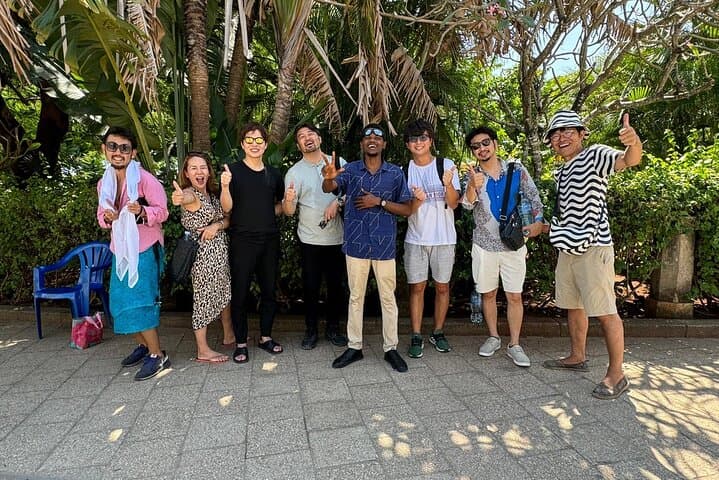

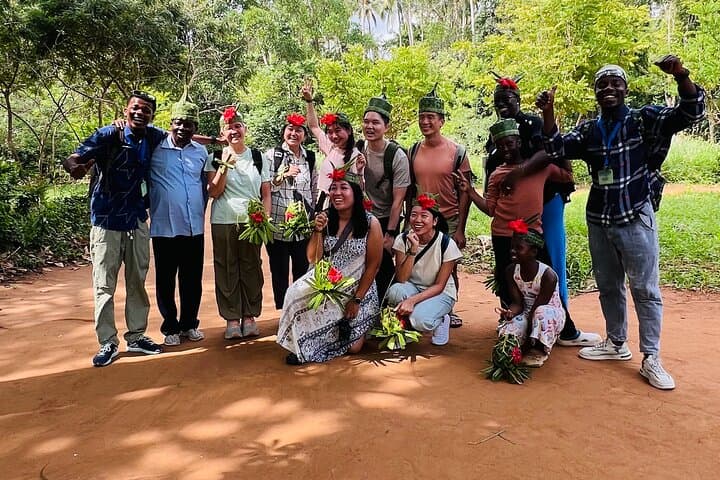
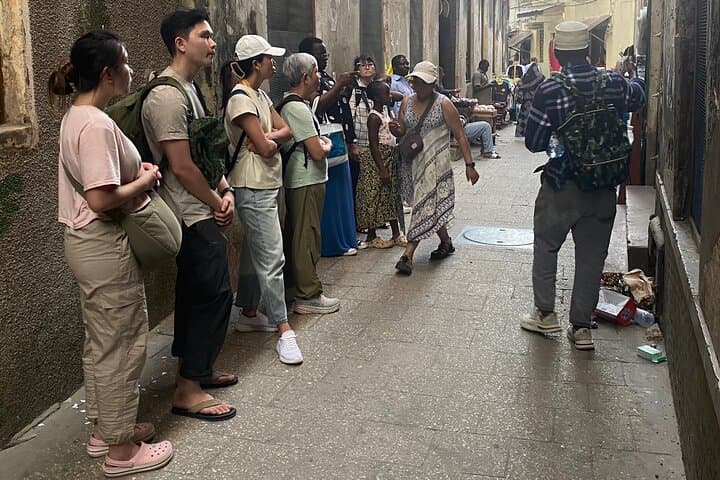
Step off the waterfront and immediately the city rearranges itself—narrow alleys funnel the heat and conversation, carved wooden doors watch like old guardians, and the scent of cloves and grilled fish rides the sea breeze.
Step off the waterfront and immediately the city rearranges itself—narrow alleys funnel the heat and conversation, carved wooden doors watch like old guardians, and the scent of cloves and grilled fish rides the sea breeze.
This guided walk through Stone Town (Unguja) follows centuries of trade and migration: Omani clippers, Portuguese garrisons, Indian merchants and African craftsmen all left marks in the coral-rag buildings and the ornate Swahili doors. The tour pauses at the Old Fort and the former slave market museum—grim reminders of the island’s role in the East African slave trade—and moves through Darajani Bazaar where the spice economy still hums.
Geology and architecture are visible at street level: limestone and coral blocks, lime plaster, and narrow windward alleys designed to pull cooling breezes inland. Cultural touchpoints include rooftop cafés with harbor views, Jaws Corner’s lively banter, and the ubiquitous dhow masts threading the horizon.
Practical guidance: the route is 2–3 hours on uneven cobbles—bring supportive shoes and a refillable water bottle. Expect tight spaces and intermittent stairs; modest dress shows respect in this conservative port. Midday heat spikes; morning or late-afternoon departures are most comfortable and best for rooftop sunsets. Local guides like Ally weave factual history with neighborhood stories, point out distinctive doors, and help navigate haggling at markets.
This is a compact, sensory-rich urban walk—equal parts living culture and layered history—best approached with curiosity, sensible footwear, and an appetite for spice-laced street food.