THE ADVENTURE COLLECTIVE® · Independent discovery and booking for outdoor travel

Wander Stone Town with a private guide and uncover the layered history of Zanzibar’s UNESCO-listed streets—from slave-market memory to spice bazaars and carved Zanzibari doors. This 2.5-hour walk blends culture, architecture, and local life for an intimate city experience.
Wander Stone Town with a private guide and uncover the layered history of Zanzibar’s UNESCO-listed streets—from slave-market memory to spice bazaars and carved Zanzibari doors. This 2.5-hour walk blends culture, architecture, and local life for an intimate city experience.
You step from the humid coast into a labyrinth of limestone alleys where the salt air plays across carved wooden doors and the ocean breeze coaxes the city’s stories into the open.
Verified experiences and guided adventures in the surrounding area.
Operated by Juma Amir Tour Guide Zanzibar · Stone Town, Zanzibar
You step from the humid coast into a labyrinth of limestone alleys where the salt air plays across carved wooden doors and the ocean breeze coaxes the city’s stories into the open.
Stone Town's streets shift like a living map—narrow passages threaded with spice-scented stalls, faded Omani balconies, and rooftops that watch over the Indian Ocean. The tour threads together over 2,000 limestone buildings across 50 hectares, each façade marked by centuries of African, Arab, Indian and European influence. The Anglican Cathedral occupies the site of the old slave market; the House of Wonders catches light on its unfinished cornices; Freddy Mercury’s childhood home stands modestly among merchants’ doors that tell their own genealogies.
Geology here is coastal limestone shaped by coral reefs and tidal currents—buildings quarried from local stone that age with salt and humidity. Cultural life spills from Darajani Market—voices, fresh fish, and piles of cassava—while the Old Fort recalls Omani and colonial contestations that made Zanzibar a crossroads of trade and migration.
Practical guidance: this private 2.5-hour walk is paced for exploration—expect flat, uneven pavements and tight stairways. Bring water, wear closed-toe shoes for cobbles, and dress respectfully; mornings are cooler and the market hums, afternoons grow hot and lively. Local guides translate history into context and will point out quieter rooftop cafes, working artisan shops, and a fish market at dawn. Move deliberately through the maze, listen for the calls of vendors, and allow time to linger at a carved door or a shaded courtyard—Stone Town rewards slow attention.
easy.
2–3 hours.
Suitable for most fitness levels; requires standing and walking on uneven pavement for extended periods
The tour runs approximately 2.5 hours (about 150 minutes) and covers key sites within Stone Town's central area.
Accessibility options are noted as available; however some narrow alleys and thresholds may be challenging—check with the operator when booking.
Some stops like the Palace Museum and other paid sites may require admission—confirm with your guide which tickets are included in your booking.
Tipping is customary for private guides; plan approximately 5–10% of the tour cost or a local-appropriate cash tip based on service.
Stone Town became a UNESCO World Heritage Site in 2000; its architecture reflects centuries of Omani Arab, Persian, Indian and European influence, and sites like the Anglican Cathedral sit on former slave-market grounds.
The city faces pressures from tourism, rising sea levels and coastal erosion; support local artisans, avoid single-use plastics, and follow your guide’s instructions to protect fragile historic fabric.
Juma Amir Tour Guide Zanzibar operates guided outdoor trips and adventures with an emphasis on safety, stewardship, and memorable experiences.
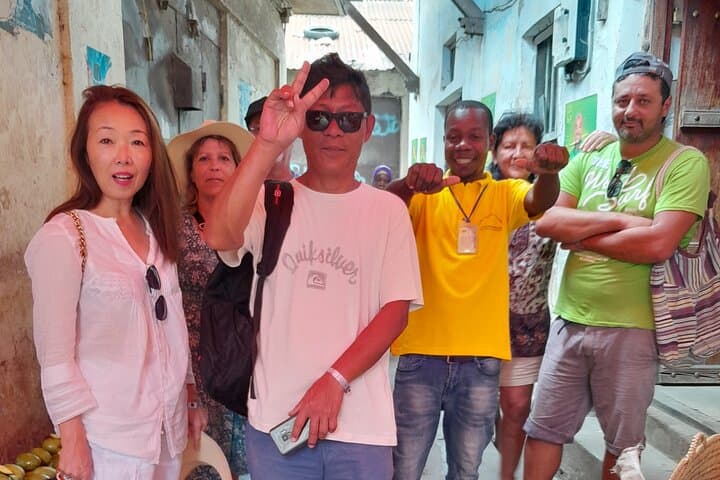

You step from the humid coast into a labyrinth of limestone alleys where the salt air plays across carved wooden doors and the ocean breeze coaxes the city’s stories into the open.
You step from the humid coast into a labyrinth of limestone alleys where the salt air plays across carved wooden doors and the ocean breeze coaxes the city’s stories into the open.
Stone Town's streets shift like a living map—narrow passages threaded with spice-scented stalls, faded Omani balconies, and rooftops that watch over the Indian Ocean. The tour threads together over 2,000 limestone buildings across 50 hectares, each façade marked by centuries of African, Arab, Indian and European influence. The Anglican Cathedral occupies the site of the old slave market; the House of Wonders catches light on its unfinished cornices; Freddy Mercury’s childhood home stands modestly among merchants’ doors that tell their own genealogies.
Geology here is coastal limestone shaped by coral reefs and tidal currents—buildings quarried from local stone that age with salt and humidity. Cultural life spills from Darajani Market—voices, fresh fish, and piles of cassava—while the Old Fort recalls Omani and colonial contestations that made Zanzibar a crossroads of trade and migration.
Practical guidance: this private 2.5-hour walk is paced for exploration—expect flat, uneven pavements and tight stairways. Bring water, wear closed-toe shoes for cobbles, and dress respectfully; mornings are cooler and the market hums, afternoons grow hot and lively. Local guides translate history into context and will point out quieter rooftop cafes, working artisan shops, and a fish market at dawn. Move deliberately through the maze, listen for the calls of vendors, and allow time to linger at a carved door or a shaded courtyard—Stone Town rewards slow attention.