THE ADVENTURE COLLECTIVE® · Independent discovery and booking for outdoor travel

Walk Stone Town’s alleys with a local guide, visit landmark sites from the Old Fort to the House of Wonders, then refuel with an authentic lunch at Lukmaan Restaurant. This 2–3 hour tour pairs history, markets and island flavors.
Walk Stone Town’s alleys with a local guide, visit landmark sites from the Old Fort to the House of Wonders, then refuel with an authentic lunch at Lukmaan Restaurant. This 2–3 hour tour pairs history, markets and island flavors.
The alley opens like a well-worn book: sun-bleached coral stone walls, ornate carved doors leaning toward each other, and the spice-scented wind from the Indian Ocean pulling you deeper into Stone Town.
Verified experiences and guided adventures in the surrounding area.
Operated by My Unique Zanzibar · Stone Town (Zanzibar City), Zanzibar Urban/West Region
The alley opens like a well-worn book: sun-bleached coral stone walls, ornate carved doors leaning toward each other, and the spice-scented wind from the Indian Ocean pulling you deeper into Stone Town.
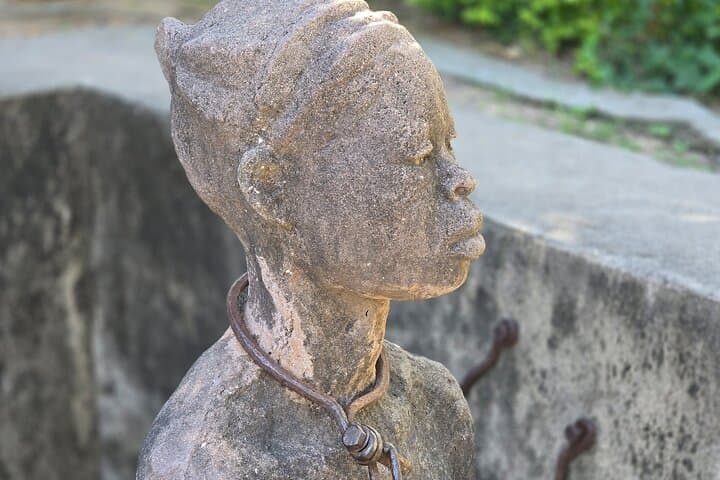
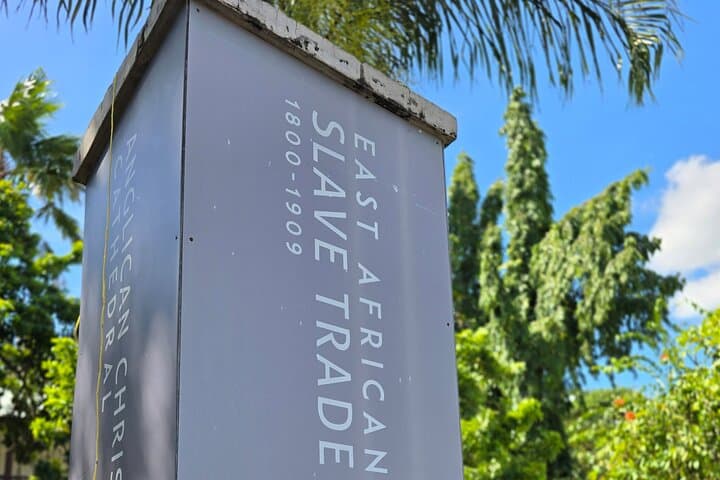
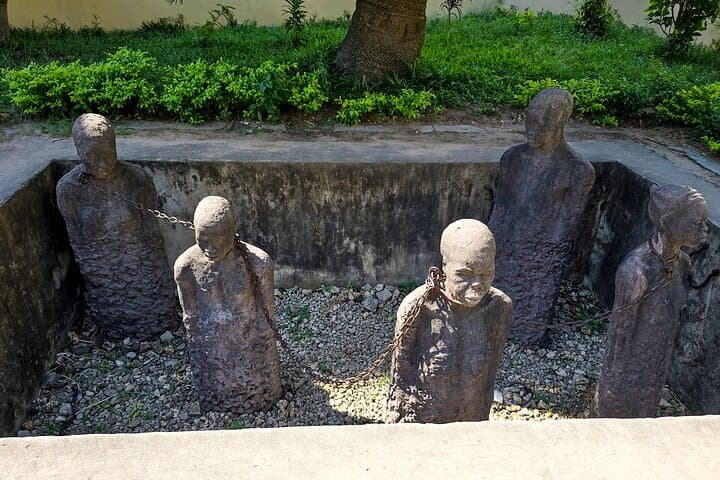
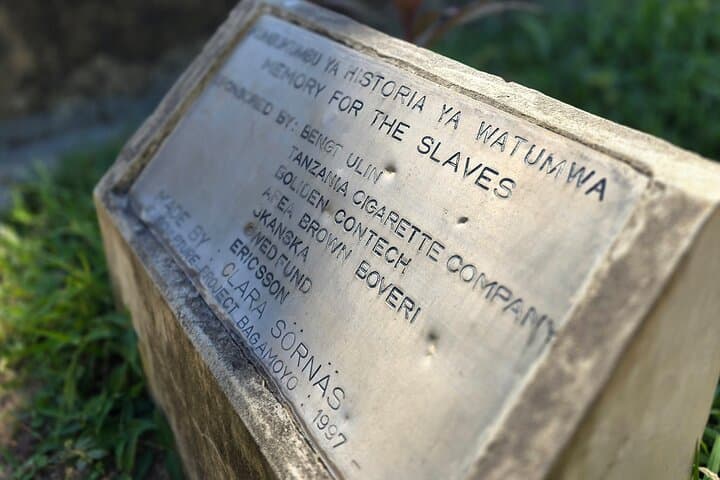
On this 2–3 hour guided circuit you thread narrow lanes that once guided dhows and traders. Guides point out the House of Wonders, the Old Fort and the slate of the former slave market, tracing centuries of Swahili, Arab, Indian and European influence. The town’s limestone fabric tells a geological story of coral and reef uplift; its buildings wear sea-salt and stories in equal measure. Markets hum with Darajani’s fruit vendors and coffee stalls; the sea at the city’s edge keeps time with fishermen’s rhythms.
Cultural notes matter: Zanzibar’s history as an Indian Ocean entrepôt shaped its food and language—expect pilau spices, coconut-rich stews and an openness to bargaining. After the walk, a pragmatic reward: Lukmaan Restaurant serves fresh, local plates that illustrate the island’s culinary layers.
Practical guidance: wear closed-toe shoes for uneven flagstone, carry sun protection and a small bottle of water; the lanes offer shade but the sun finds you on the courtyards. If you plan photos, early morning light softens door details and reduces crowds. Respect religious sites and modest dress codes at mosques. The route is flat but busy—keep valuables secure and allow extra time for slow-moving market traffic.
This experience is urban exploration with seaside character—compact, sensory and rich in context, ideal for travelers who want history and a no-fuss taste of Zanzibari life.
easy.
2–3 hours.
Light walking fitness; able to stand and walk on uneven surfaces for short periods
Most main streets and key sites are accessible but some narrow alleys and historic buildings have steps; operators note wheelchair access is possible on main routes.
Lukmaan offers a range of dishes including vegetarian and seafood options—notify the operator ahead for specific allergies or dietary needs.
Expect 2–3 hours of mostly flat walking with frequent stops; pace is moderate and suitable for most fitness levels.
Photography is generally allowed in public spaces; some museums or religious areas may have restrictions—ask your guide on arrival.
Stone Town (Mji Mkongwe) is a UNESCO World Heritage site that grew as an Indian Ocean trading hub; its architecture reflects Swahili, Arab, Indian and European influences and a difficult history tied to the slave trade.
Tourism pressures and plastic waste are local concerns—support licensed guides, avoid single-use plastics, and choose restaurants that source locally to minimize impact.
My Unique Zanzibar operates guided outdoor trips and adventures with an emphasis on safety, stewardship, and memorable experiences.
The alley opens like a well-worn book: sun-bleached coral stone walls, ornate carved doors leaning toward each other, and the spice-scented wind from the Indian Ocean pulling you deeper into Stone Town.
The alley opens like a well-worn book: sun-bleached coral stone walls, ornate carved doors leaning toward each other, and the spice-scented wind from the Indian Ocean pulling you deeper into Stone Town.
On this 2–3 hour guided circuit you thread narrow lanes that once guided dhows and traders. Guides point out the House of Wonders, the Old Fort and the slate of the former slave market, tracing centuries of Swahili, Arab, Indian and European influence. The town’s limestone fabric tells a geological story of coral and reef uplift; its buildings wear sea-salt and stories in equal measure. Markets hum with Darajani’s fruit vendors and coffee stalls; the sea at the city’s edge keeps time with fishermen’s rhythms.
Cultural notes matter: Zanzibar’s history as an Indian Ocean entrepôt shaped its food and language—expect pilau spices, coconut-rich stews and an openness to bargaining. After the walk, a pragmatic reward: Lukmaan Restaurant serves fresh, local plates that illustrate the island’s culinary layers.
Practical guidance: wear closed-toe shoes for uneven flagstone, carry sun protection and a small bottle of water; the lanes offer shade but the sun finds you on the courtyards. If you plan photos, early morning light softens door details and reduces crowds. Respect religious sites and modest dress codes at mosques. The route is flat but busy—keep valuables secure and allow extra time for slow-moving market traffic.
This experience is urban exploration with seaside character—compact, sensory and rich in context, ideal for travelers who want history and a no-fuss taste of Zanzibari life.