THE ADVENTURE COLLECTIVE® · Independent discovery and booking for outdoor travel

Three hours of narrow alleys, carved doors and oceanfront history—this guided Stone Town walk moves from City Market through slave‑trade sites to the House of Wonders. Practical tips included for timing, clothing and local tastes.
Three hours of narrow alleys, carved doors and oceanfront history—this guided Stone Town walk moves from City Market through slave‑trade sites to the House of Wonders. Practical tips included for timing, clothing and local tastes.
You step off the van and the market smells of spices and frying cassava; sunlight skims the Indian Ocean and the stone facades watch the narrow alleys like old hosts. The three‑hour guided route begins at City Market and threads through slave market ruins and the House of Wonders, pausing at the waterfront where the sea pushes history toward the shore.
Verified experiences and guided adventures in the surrounding area.
Operated by Albatross Tours & Travel Zanzibar · Stone Town, Zanzibar
You step off the van and the market smells of spices and frying cassava; sunlight skims the Indian Ocean and the stone facades watch the narrow alleys like old hosts. The three‑hour guided route begins at City Market and threads through slave market ruins and the House of Wonders, pausing at the waterfront where the sea pushes history toward the shore.
Stone Town’s streets record centuries of trade and power: Omani sultans, British consuls and German merchants all left architectural marks in coral rag stone and carved wooden doors. Geologically the island rises from coral uplift; the buildings themselves are built from coral stone and lime, giving facades a pitted, salt‑polished character. Culturally the town is the living edge of Swahili life—mixing Arabic, African and Indian influences in food, language and craft.
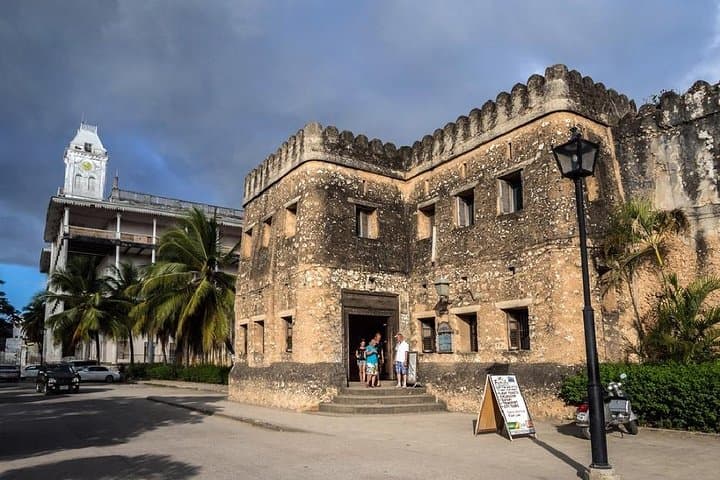
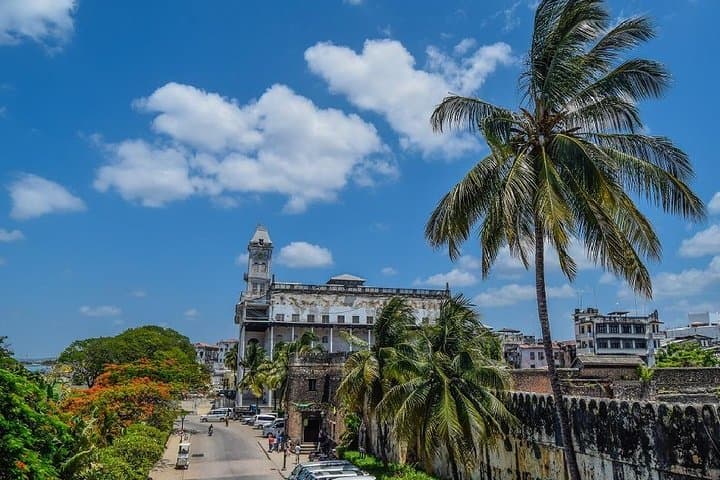
Expect tight lanes, local bazaars selling carved doors and spices, and municipal squares where the House of Wonders and the Old Fort frame public life. The Natural History Museum offers a compact introduction to local birds and plant uses; Maruhubi Palace ruins give perspective on 19th‑century ambitions.
Practical: dress conservatively, wear closed, comfortable shoes, and start early to avoid midday heat. Bring SPF, water and a small amount of local currency for market purchases and tips. If you want sunset vibrancy, schedule the tour to finish near Forodhani Gardens for street food and ocean views. The route is wheelchair accessible in many sections but check pickup options with your operator. With history at every corner, this tour is an efficient, walkable primer on Zanzibar’s layered past.
easy.
2–3 hours.
Suitable for most fitness levels; involves walking on uneven, narrow streets and some short standing periods.
The guided tour is approximately three hours and normally begins and ends at your hotel.
Yes; the tour is rated easy and many sections are wheelchair accessible, but contact the operator about mobility needs and pickup options.
Entrance fees to some sites like the House of Wonders or the National Museum are usually included per the tour listing—confirm at booking.
Conservative, breathable clothing that covers shoulders and knees is advised; comfortable closed shoes are recommended for walking.
Stone Town grew as a Swahili trading port heavily influenced by Omani sultans and the 19th‑century spice and slave trades; many buildings reflect that layered past.
Preservation of coral‑stone buildings and responsible tourism are active priorities—avoid removing architectural fragments and support local craftsmen.
Albatross Tours & Travel Zanzibar operates guided outdoor trips and adventures with an emphasis on safety, stewardship, and memorable experiences.
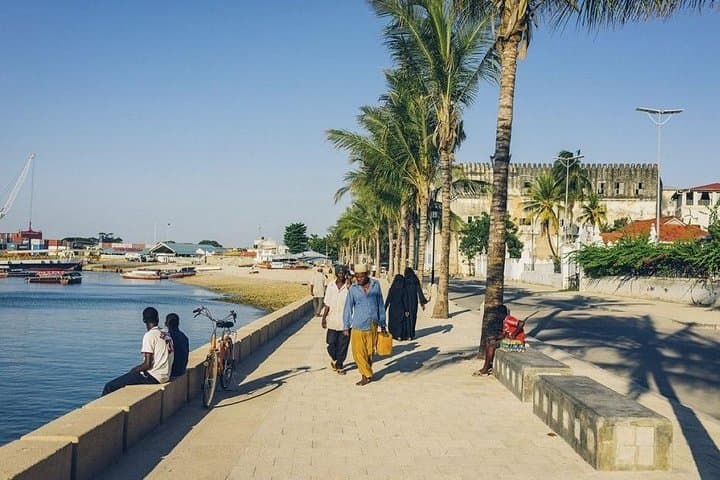
You step off the van and the market smells of spices and frying cassava; sunlight skims the Indian Ocean and the stone facades watch the narrow alleys like old hosts. The three‑hour guided route begins at City Market and threads through slave market ruins and the House of Wonders, pausing at the waterfront where the sea pushes history toward the shore.
You step off the van and the market smells of spices and frying cassava; sunlight skims the Indian Ocean and the stone facades watch the narrow alleys like old hosts. The three‑hour guided route begins at City Market and threads through slave market ruins and the House of Wonders, pausing at the waterfront where the sea pushes history toward the shore.
Stone Town’s streets record centuries of trade and power: Omani sultans, British consuls and German merchants all left architectural marks in coral rag stone and carved wooden doors. Geologically the island rises from coral uplift; the buildings themselves are built from coral stone and lime, giving facades a pitted, salt‑polished character. Culturally the town is the living edge of Swahili life—mixing Arabic, African and Indian influences in food, language and craft.
Expect tight lanes, local bazaars selling carved doors and spices, and municipal squares where the House of Wonders and the Old Fort frame public life. The Natural History Museum offers a compact introduction to local birds and plant uses; Maruhubi Palace ruins give perspective on 19th‑century ambitions.
Practical: dress conservatively, wear closed, comfortable shoes, and start early to avoid midday heat. Bring SPF, water and a small amount of local currency for market purchases and tips. If you want sunset vibrancy, schedule the tour to finish near Forodhani Gardens for street food and ocean views. The route is wheelchair accessible in many sections but check pickup options with your operator. With history at every corner, this tour is an efficient, walkable primer on Zanzibar’s layered past.