THE ADVENTURE COLLECTIVE® · Independent discovery and booking for outdoor travel

Walk Stone Town’s narrow alleys with a local guide to uncover Swahili culture, slave trade history, and 19th‑century landmarks like the House of Wonders. This half‑day tour mixes close‑up architecture, market life, and clear historical context.
Walk Stone Town’s narrow alleys with a local guide to uncover Swahili culture, slave trade history, and 19th‑century landmarks like the House of Wonders. This half‑day tour mixes close‑up architecture, market life, and clear historical context.
You step out into a narrow alley and the Indian Ocean breeze brushes the carved doors as spice smoke threads up from a market stall. Street vendors negotiate over cloves and coconut, while the city’s heavy coral-stone buildings hold the cool of earlier days.
Verified experiences and guided adventures in the surrounding area.
Operated by Exotic Tours & Safaris LTD · Stone Town, Zanzibar
You step out into a narrow alley and the Indian Ocean breeze brushes the carved doors as spice smoke threads up from a market stall. Street vendors negotiate over cloves and coconut, while the city’s heavy coral-stone buildings hold the cool of earlier days.
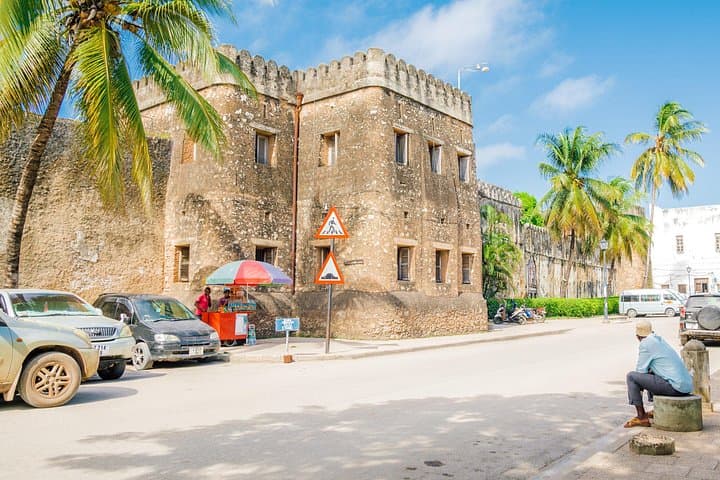
Stone Town is compact but dense with history: former trading hub, crossroads of Swahili culture and a central point in the 19th-century Indian Ocean slave trade. Your guide will lead you through the old slave market site and the Anglican cathedral, then to the House of Wonders (built 1883) and the Palace Museum where tales of Princess Salme (Emily Ruete) and the brief 1896 Anglo–Zanzibar skirmish come alive. Architecturally, the town sits on coral rag and limestone—look for richly carved Omani doors and Moorish arches that mark the city’s layered past.
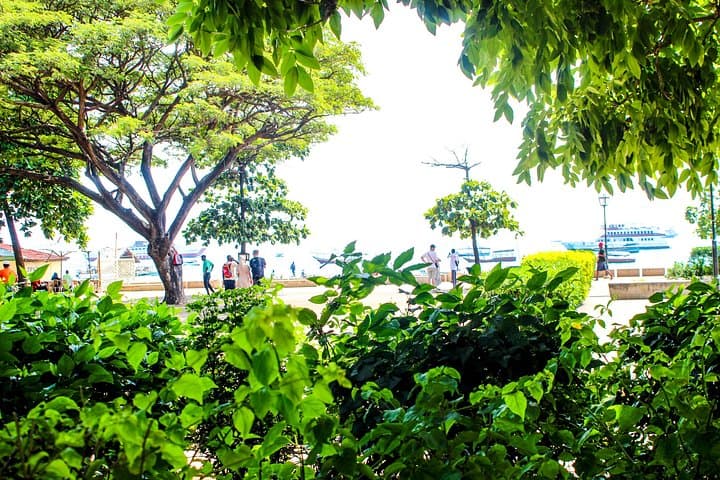
Culturally the pace is conversational: Swahili rhythms, dhows creaking in the harbor, and bazaars that reward bargaining. The itinerary typically covers the main market, the Slave Trade Museum, House of Wonders, and a leisurely walk through the winding lanes—about four hours of steady, low-impact walking.
Practical tips: start early or late to avoid midday heat; wear closed-toe shoes for uneven flagstones; bring water and modest clothing out of respect for local customs. The tour is accessible with assistance in many areas but narrow alleys can be tight. Expect a guide who provides context, points out subtle architectural details, and helps you read the city like a living map rather than a set of postcards.
easy.
3–4 hours.
Suitable for travelers with basic walking fitness who can handle uneven surfaces and several short stair sections
The tour runs about four hours and usually covers the main market, Slave Trade Museum, House of Wonders, Palace Museum, and a walking circuit through Stone Town’s lanes.
Many parts of the tour and the transport provided are wheelchair accessible, but some narrow alleys and older buildings have thresholds or tight spaces—check with the operator for specific needs.
Yes—small vendors and markets work best with Tanzanian shillings; credit cards may not be accepted in bazaars, and tips are commonly given in cash.
Photography is widely accepted in public areas, but always ask permission before photographing people, especially near religious sites or private homes.
Stone Town grew as a Swahili trading center shaped by Omani, Persian and Portuguese influences; it played a central role in the 19th‑century spice and slave trades.
Preservation focuses on maintaining coral rag structures and managing tourist impact; support local guides and small shops to foster sustainable economic benefit.
Exotic Tours & Safaris LTD operates guided outdoor trips and adventures with an emphasis on safety, stewardship, and memorable experiences.
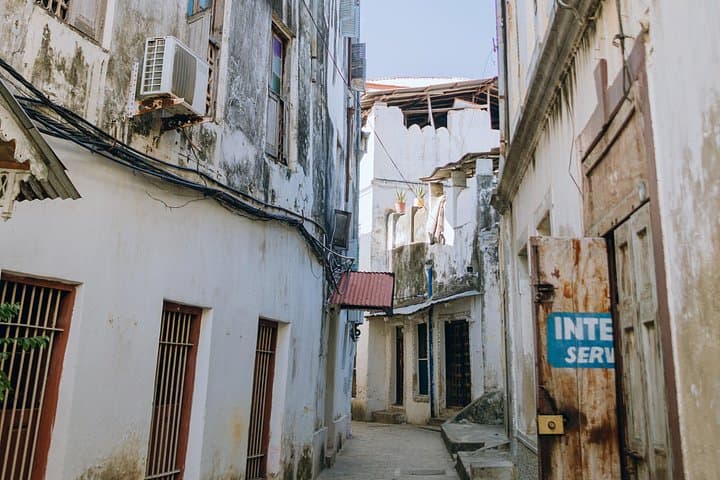
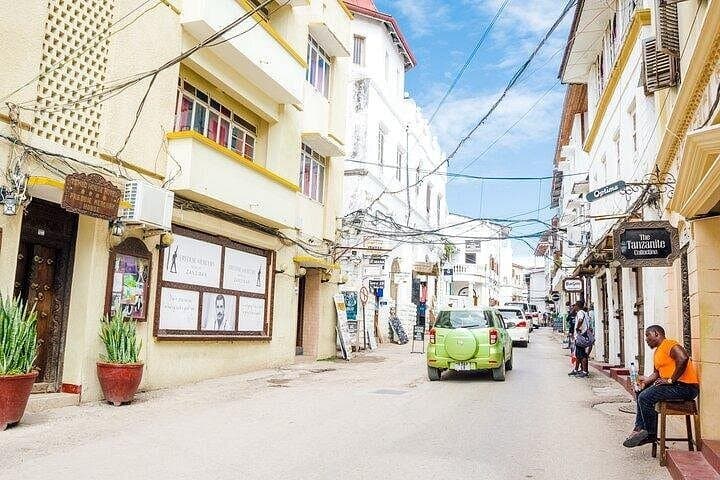
You step out into a narrow alley and the Indian Ocean breeze brushes the carved doors as spice smoke threads up from a market stall. Street vendors negotiate over cloves and coconut, while the city’s heavy coral-stone buildings hold the cool of earlier days.
You step out into a narrow alley and the Indian Ocean breeze brushes the carved doors as spice smoke threads up from a market stall. Street vendors negotiate over cloves and coconut, while the city’s heavy coral-stone buildings hold the cool of earlier days.
Stone Town is compact but dense with history: former trading hub, crossroads of Swahili culture and a central point in the 19th-century Indian Ocean slave trade. Your guide will lead you through the old slave market site and the Anglican cathedral, then to the House of Wonders (built 1883) and the Palace Museum where tales of Princess Salme (Emily Ruete) and the brief 1896 Anglo–Zanzibar skirmish come alive. Architecturally, the town sits on coral rag and limestone—look for richly carved Omani doors and Moorish arches that mark the city’s layered past.
Culturally the pace is conversational: Swahili rhythms, dhows creaking in the harbor, and bazaars that reward bargaining. The itinerary typically covers the main market, the Slave Trade Museum, House of Wonders, and a leisurely walk through the winding lanes—about four hours of steady, low-impact walking.
Practical tips: start early or late to avoid midday heat; wear closed-toe shoes for uneven flagstones; bring water and modest clothing out of respect for local customs. The tour is accessible with assistance in many areas but narrow alleys can be tight. Expect a guide who provides context, points out subtle architectural details, and helps you read the city like a living map rather than a set of postcards.