THE ADVENTURE COLLECTIVE® · Independent discovery and booking for outdoor travel

Walk Stone Town’s winding alleys with a certified local guide who translates architecture into history and everyday life. This private 2–3 hour tour highlights major sights and quiet corners while offering practical tips for navigating the heat, markets, and cultural norms.
Walk Stone Town’s winding alleys with a certified local guide who translates architecture into history and everyday life. This private 2–3 hour tour highlights major sights and quiet corners while offering practical tips for navigating the heat, markets, and cultural norms.
You step off the main road and the alleys of Stone Town close around you like a living map—walls warm from the sun, a breeze off the harbor nudging salt and spice into the air. The guide, born and raised here and certified after nine months of professional training, leads the way through narrow lanes where doorways and carved wooden balconies tell stories as loudly as any plaque.
Verified experiences and guided adventures in the surrounding area.
Operated by Your personal private guide · Stone Town, Zanzibar
You step off the main road and the alleys of Stone Town close around you like a living map—walls warm from the sun, a breeze off the harbor nudging salt and spice into the air. The guide, born and raised here and certified after nine months of professional training, leads the way through narrow lanes where doorways and carved wooden balconies tell stories as loudly as any plaque.
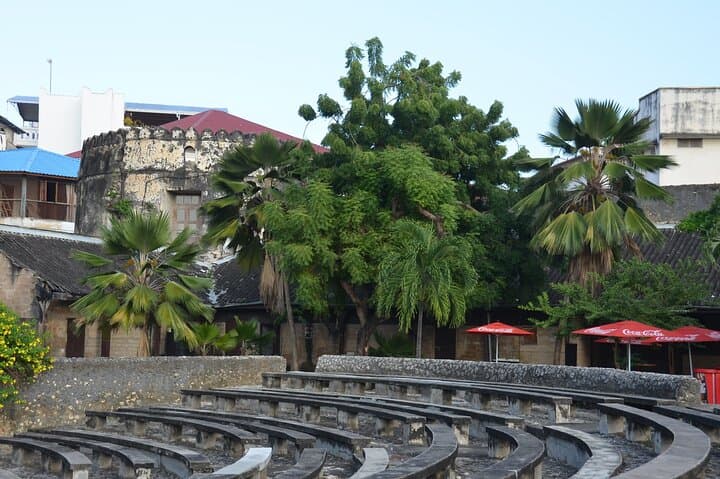
Stone Town’s streets reflect centuries of trade and migration: Omani sultans, Persian merchants, Indian traders and European administrators left layers of architecture and culture. The urban geology is simple—coral rag and lime render—yet the physical fabric holds a complex human history, including the somber legacy of the slave market and the rise of Swahili cosmopolitan life.
Culturally, expect a mix of Muslim tradition and island openness—modest dress is appreciated, and bargaining at small shops is routine. The harbor is active; seabirds wheel while fruit bats claim the dusk. Local insights from a native guide turn common stops—the Sultan’s Palace façade, the old Anglican Cathedral site, and hidden courtyard homes—into personal stories rather than just photo ops.
Practically, the tour runs about 2–3 hours and is private, so it can be tailored to your interests. Wear sturdy shoes for cobbles, bring water and sun protection, and plan for morning or late-afternoon departures to avoid the midday heat. Small cash notes are useful for market purchases and tipping; above all, move at the town’s pace and let the alleys show you what they’ve kept.
easy.
2–3 hours.
Light fitness required—comfortable walking for a couple of hours with short stops; suitable for most visitors.
The private tour runs about 2–3 hours and can be adapted to focus on history, architecture, markets, or quieter neighborhoods based on your interests.
Most standard highlights are viewed from the street; any paid museum or attraction admissions are typically not included—bring small cash.
Yes for most ages, but uneven ground and narrow alleys can be challenging—infants should sit on laps and the operator notes it’s not recommended for travelers with serious spinal or cardiovascular issues.
Tipping is customary; a modest tip of 10% of the tour cost or a few thousand Tanzanian shillings per person is appreciated for good service.
Stone Town grew as a Swahili trading port shaped by Omani Arab rule, Indian merchants and European influence; it was designated a UNESCO World Heritage Site in 2000 due to its unique urban architecture.
Tourism impacts crowding and waste in narrow streets—support licensed local guides, avoid single-use plastics, and respect private homes to reduce your footprint.
Your personal private guide operates guided outdoor trips and adventures with an emphasis on safety, stewardship, and memorable experiences.
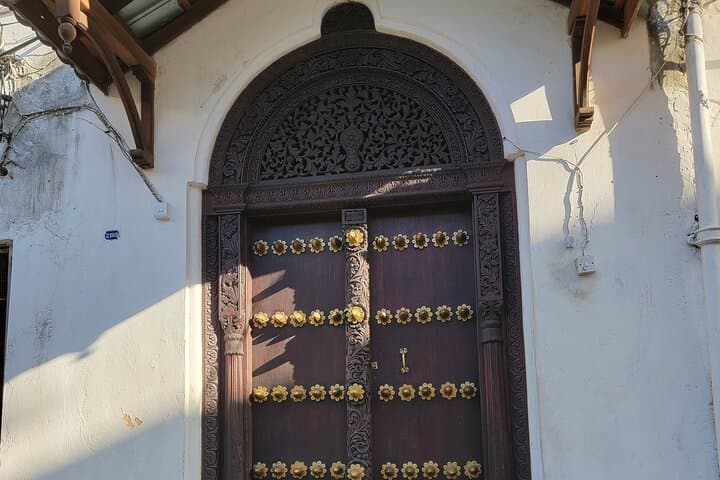

You step off the main road and the alleys of Stone Town close around you like a living map—walls warm from the sun, a breeze off the harbor nudging salt and spice into the air. The guide, born and raised here and certified after nine months of professional training, leads the way through narrow lanes where doorways and carved wooden balconies tell stories as loudly as any plaque.
You step off the main road and the alleys of Stone Town close around you like a living map—walls warm from the sun, a breeze off the harbor nudging salt and spice into the air. The guide, born and raised here and certified after nine months of professional training, leads the way through narrow lanes where doorways and carved wooden balconies tell stories as loudly as any plaque.
Stone Town’s streets reflect centuries of trade and migration: Omani sultans, Persian merchants, Indian traders and European administrators left layers of architecture and culture. The urban geology is simple—coral rag and lime render—yet the physical fabric holds a complex human history, including the somber legacy of the slave market and the rise of Swahili cosmopolitan life.
Culturally, expect a mix of Muslim tradition and island openness—modest dress is appreciated, and bargaining at small shops is routine. The harbor is active; seabirds wheel while fruit bats claim the dusk. Local insights from a native guide turn common stops—the Sultan’s Palace façade, the old Anglican Cathedral site, and hidden courtyard homes—into personal stories rather than just photo ops.
Practically, the tour runs about 2–3 hours and is private, so it can be tailored to your interests. Wear sturdy shoes for cobbles, bring water and sun protection, and plan for morning or late-afternoon departures to avoid the midday heat. Small cash notes are useful for market purchases and tipping; above all, move at the town’s pace and let the alleys show you what they’ve kept.