THE ADVENTURE COLLECTIVE® · Independent discovery and booking for outdoor travel

Walk Stone Town’s compact streets to see carved doors, the Anglican Cathedral built on the former slave market site, and the House of Wonders. This 30–60 minute tour packs Zanzibar’s layered history into an accessible guided route.
Walk Stone Town’s compact streets to see carved doors, the Anglican Cathedral built on the former slave market site, and the House of Wonders. This 30–60 minute tour packs Zanzibar’s layered history into an accessible guided route.
You step from the humid alleys into sunlight and the scent of the ocean — the stone underfoot warmed by the equatorial sun, the wind from the harbor daring you to slow down and look closely.
Verified experiences and guided adventures in the surrounding area.
Operated by Suncoast Zanzibar Tours · Zanzibar City, Zanzibar
You step from the humid alleys into sunlight and the scent of the ocean — the stone underfoot warmed by the equatorial sun, the wind from the harbor daring you to slow down and look closely.
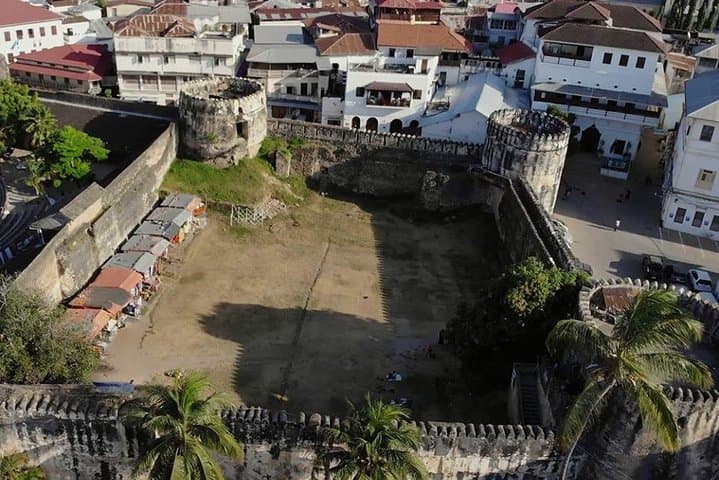
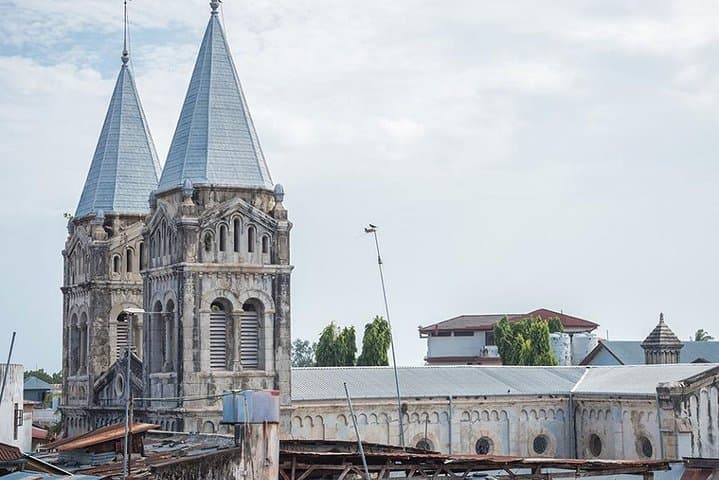
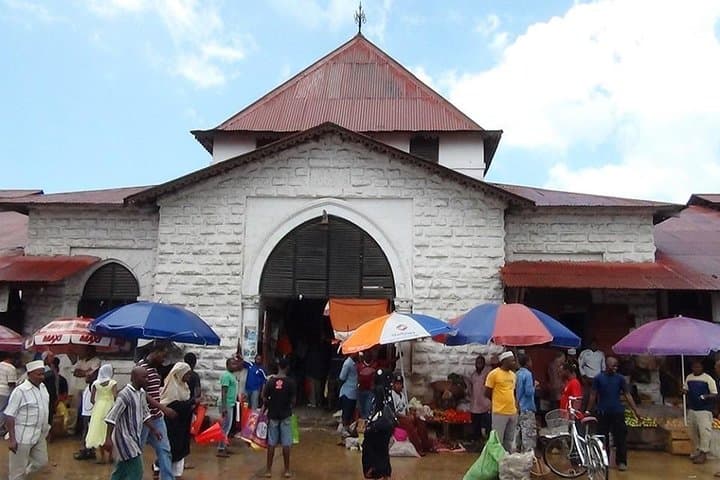
Stone Town’s streets are compact history: carved Omani doors with brass studs, Indian-influenced balconies, and coral-stone facades that tell centuries of trade. The Darajani Market (opened 1904) hums with sellers; the Anglican Cathedral overlooks the site of the former slave market, a stark counterpoint to the ornate Palace Museum and the House of Wonders nearby.
Geologically, Stone Town sits on uplifted coral rag and sand, which builders carved and reinforced with mangrove timber and lime—materials that shape the town’s light and texture. Culturally the island is Swahili at its core, layered with Arab, Persian, Indian, and European influences; even Freddie Mercury’s childhood home reflects the cosmopolitan trade routes that shaped Zanzibar.
Practical guidance: the typical guided route lasts 30–60 minutes and covers paved streets and occasional steps; wear closed-toe walking shoes for uneven thresholds. Morning or late afternoon visits are cooler and catch market life at its peak. Carry cash for small spice stalls and souvenir shops, and bring a small, respectful scarf for visiting religious sites.
Accessibility is generally good for those with moderate mobility, but some alleys narrow and can be busy. Hydrate, keep valuables close, and plan 45–60 minutes to absorb the highlights without rushing — the town rewards slow attention.
easy.
30–60 minutes.
Suitable for most fitness levels; requires short periods of standing and walking on uneven stone surfaces.
The guided Stone Town tour typically lasts between 30 and 60 minutes, depending on pace and private stops.
Most areas on the route are accessible and transportation is wheelchair friendly, but some alleyways have narrow passages—notify the operator ahead for arrangements.
This tour description notes attractions visited but admission is generally not included; check the booking details and bring local currency for fees.
Guides commonly speak English and Swahili; private tours may offer other languages on request—confirm at booking.
Stone Town grew as a Swahili trading port shaped by Omani, Persian, Indian, and European influences; its buildings reflect coral-stone construction and centuries of maritime commerce.
Salt, humidity, and tourism stress the coral-stone fabric—support local guides and heritage projects that fund restoration and limit wear to fragile sites.
Suncoast Zanzibar Tours operates guided outdoor trips and adventures with an emphasis on safety, stewardship, and memorable experiences.

You step from the humid alleys into sunlight and the scent of the ocean — the stone underfoot warmed by the equatorial sun, the wind from the harbor daring you to slow down and look closely.
You step from the humid alleys into sunlight and the scent of the ocean — the stone underfoot warmed by the equatorial sun, the wind from the harbor daring you to slow down and look closely.
Stone Town’s streets are compact history: carved Omani doors with brass studs, Indian-influenced balconies, and coral-stone facades that tell centuries of trade. The Darajani Market (opened 1904) hums with sellers; the Anglican Cathedral overlooks the site of the former slave market, a stark counterpoint to the ornate Palace Museum and the House of Wonders nearby.
Geologically, Stone Town sits on uplifted coral rag and sand, which builders carved and reinforced with mangrove timber and lime—materials that shape the town’s light and texture. Culturally the island is Swahili at its core, layered with Arab, Persian, Indian, and European influences; even Freddie Mercury’s childhood home reflects the cosmopolitan trade routes that shaped Zanzibar.
Practical guidance: the typical guided route lasts 30–60 minutes and covers paved streets and occasional steps; wear closed-toe walking shoes for uneven thresholds. Morning or late afternoon visits are cooler and catch market life at its peak. Carry cash for small spice stalls and souvenir shops, and bring a small, respectful scarf for visiting religious sites.
Accessibility is generally good for those with moderate mobility, but some alleys narrow and can be busy. Hydrate, keep valuables close, and plan 45–60 minutes to absorb the highlights without rushing — the town rewards slow attention.