THE ADVENTURE COLLECTIVE® · Independent discovery and booking for outdoor travel

A focused three‑hour walking tour through Stone Town’s narrow streets, combining market visits, historic sites like the House of Wonders and slave chambers, and local cultural insights. Perfect for first‑time visitors wanting context for Zanzibar’s layered history.
A focused three‑hour walking tour through Stone Town’s narrow streets, combining market visits, historic sites like the House of Wonders and slave chambers, and local cultural insights. Perfect for first‑time visitors wanting context for Zanzibar’s layered history.
The narrow lanes of Stone Town fold inward like a living map — a breeze from the harbor carries the smell of cloves and grilled fish while sunlight cuts through latticed carved doors.
Verified experiences and guided adventures in the surrounding area.
Operated by Coralsites tours & Safaris · Stone Town, Zanzibar
The narrow lanes of Stone Town fold inward like a living map — a breeze from the harbor carries the smell of cloves and grilled fish while sunlight cuts through latticed carved doors.
On this three‑hour walking tour people move deliberately: around the House of Wonders, past the Old Fort, through the Darajani market and the former slave market where the island’s darker history is plainly visible. The city’s geology is limestone and coral rag; buildings, some over three centuries old, show Arab, Persian, Portuguese and British layers in their stone and woodwork.
Stone Town’s culture is maritime and mercantile. Omani sultans established a trading port here; Portuguese and later British influence left fortifications and colonial-era institutions. Visit sites linked to the sultanate, see Freddie Mercury’s childhood house, and hear why the House of Wonders once signaled technological change to the island.
Practical guidance: the tour is urban, mostly flat but on uneven flagstones and narrow alleys — wear sturdy, closed shoes. Bring cash for small purchases at spice and souvenir stalls, and a bottle of water (bottled water is often provided). Meet near Forodhani Garden; the tour runs about 3 hours and is suitable for most fitness levels. Expect busy markets midmorning and late afternoon; if rain is forecast, short showers can make streets slick. Respect mosque and private property signage, and photograph doors and vendors courteously. This compact, interpretive walk is ideal for first-time visitors who want concentrated history, market energy, and the textured details that make Stone Town distinct.
easy.
3 hours.
Light walking ability; able to stand and walk for up to three hours with short breaks.
The tour lasts around 3 hours and covers roughly 2–3 kilometers of walking through Stone Town’s central district on mostly flat but uneven streets.
Yes—this is rated easy and suitable for all fitness levels, though those with limited mobility should note narrow alleys and occasional steps.
Yes—Darajani market and nearby stalls offer spices, carved doors replicas and local crafts; bring small bills for purchases.
Comfortable closed-toe shoes, sun protection, modest clothing for mosque areas, and a water bottle; bring a light rain jacket during rainy seasons.
Stone Town was a 19th-century trading hub shaped by Omani sultans, the East African slave trade, and later European colonial administration, reflected in its architecture and street plan.
Preservation focuses on restoring coral rag buildings while managing tourist impact; support local guides and small vendors to keep economic benefits local and reduce pressure on historic fabric.
Coralsites tours & Safaris operates guided outdoor trips and adventures with an emphasis on safety, stewardship, and memorable experiences.
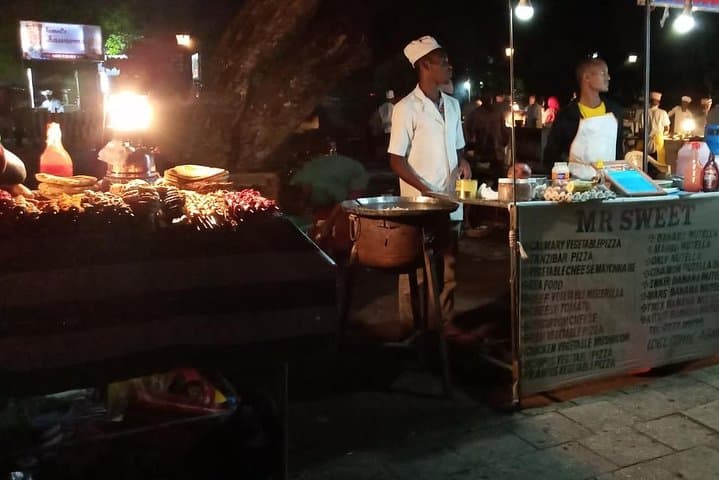
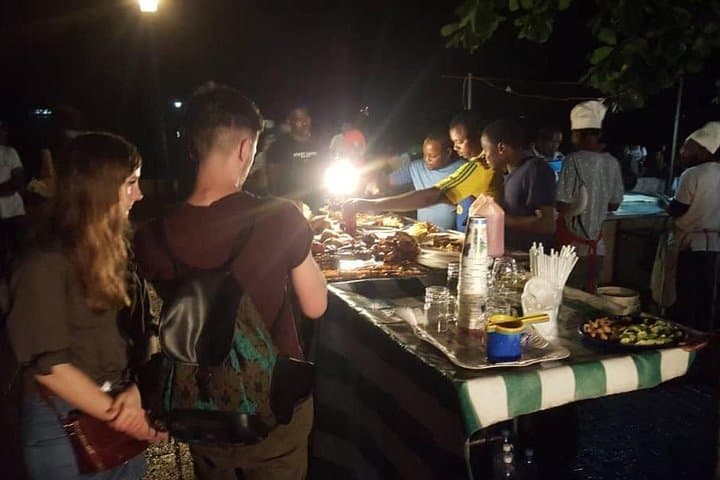

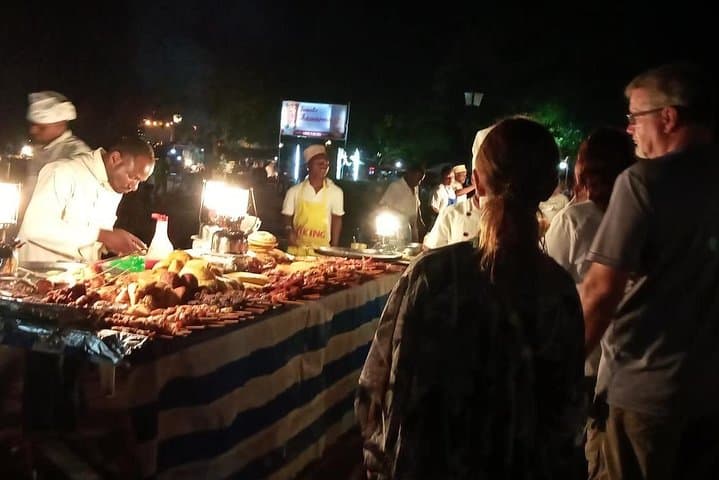
The narrow lanes of Stone Town fold inward like a living map — a breeze from the harbor carries the smell of cloves and grilled fish while sunlight cuts through latticed carved doors.
The narrow lanes of Stone Town fold inward like a living map — a breeze from the harbor carries the smell of cloves and grilled fish while sunlight cuts through latticed carved doors.
On this three‑hour walking tour people move deliberately: around the House of Wonders, past the Old Fort, through the Darajani market and the former slave market where the island’s darker history is plainly visible. The city’s geology is limestone and coral rag; buildings, some over three centuries old, show Arab, Persian, Portuguese and British layers in their stone and woodwork.
Stone Town’s culture is maritime and mercantile. Omani sultans established a trading port here; Portuguese and later British influence left fortifications and colonial-era institutions. Visit sites linked to the sultanate, see Freddie Mercury’s childhood house, and hear why the House of Wonders once signaled technological change to the island.
Practical guidance: the tour is urban, mostly flat but on uneven flagstones and narrow alleys — wear sturdy, closed shoes. Bring cash for small purchases at spice and souvenir stalls, and a bottle of water (bottled water is often provided). Meet near Forodhani Garden; the tour runs about 3 hours and is suitable for most fitness levels. Expect busy markets midmorning and late afternoon; if rain is forecast, short showers can make streets slick. Respect mosque and private property signage, and photograph doors and vendors courteously. This compact, interpretive walk is ideal for first-time visitors who want concentrated history, market energy, and the textured details that make Stone Town distinct.