THE ADVENTURE COLLECTIVE® · Independent discovery and booking for outdoor travel

Walk Stone Town’s alleys with a certified guide on a focused three-hour tour that pairs the House of Wonders, Slave Chambers and Darajani Market. Practical, compact and culturally rich, this route delivers Zanzibar’s key stories in one easy loop.
Walk Stone Town’s alleys with a certified guide on a focused three-hour tour that pairs the House of Wonders, Slave Chambers and Darajani Market. Practical, compact and culturally rich, this route delivers Zanzibar’s key stories in one easy loop.
A narrow lane opens onto sunlight and the smell of spices: the Old Fort stands to one side, a worn coral-stone wall holding centuries of arrivals and departures. On this three-hour Stone Town walking tour, the city’s carved doors and dhow-shadowed waterfront become a readable map—each alley a paragraph in Zanzibar’s layered story.
Verified experiences and guided adventures in the surrounding area.
Operated by Paradise Tours & Safaris · Stone Town, Zanzibar
A narrow lane opens onto sunlight and the smell of spices: the Old Fort stands to one side, a worn coral-stone wall holding centuries of arrivals and departures. On this three-hour Stone Town walking tour, the city’s carved doors and dhow-shadowed waterfront become a readable map—each alley a paragraph in Zanzibar’s layered story.
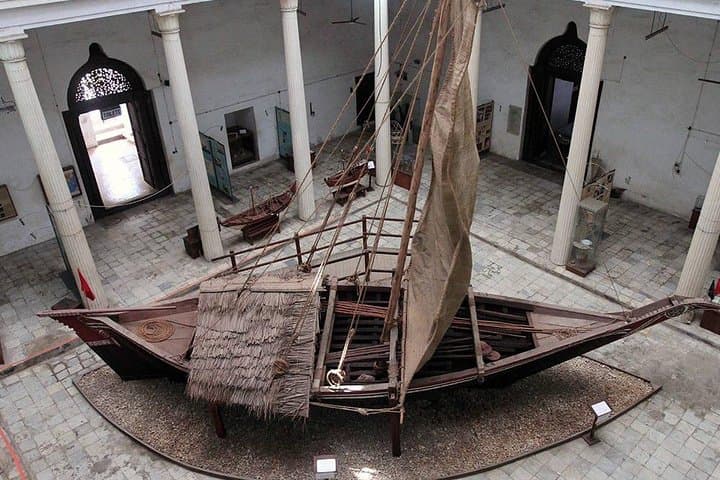
Stone Town grew where Indian Ocean currents met Swahili mariners, Omani sultans and European traders. The tour moves from the Old Fort past the House of Wonders façade to the Anglican Cathedral and the Slave Chambers, where museum exhibits and memorials outline the island’s role in the Indian Ocean slave trade. The Darajani Market is a living counterpoint—fish vendors, spice stalls and the crisscross of daily commerce showing how culture and cuisine evolved here.
Geology is visible in building materials: coralline limestone and mangrove timber shaped by tides and trade. Local artisans still use hand tools to cut intricate doors; Arabic, African and Indian influences meet in language, food and music.
Practical notes: wear sturdy walking shoes for uneven cobbles, carry water and modest clothing for entering cultural sites. The route is compact but busy—mid-morning or late afternoon avoids the hottest sun and the busiest market hours. Bring small bills for purchases and a camera with a respectful approach to photographing people. Guides are typically certified and provide context that transforms walls and alleys into a coherent narrative.
For travelers who want history without a long trek, this private, wheelchair-accessible stroll delivers concentrated insight into Zanzibar’s past and present.
easy.
3 hours.
Suitable for most people who can walk 2–3 km on uneven pavements and climb a few steps.
Yes—tour information indicates wheelchair-accessible options and transportation; confirm accessibility needs at booking.
Admission to the Slave Chambers museum is included on this itinerary; other sites such as the House of Wonders may be exterior-only if under reconstruction.
The tour starts in front of the Old Fort in Stone Town’s historic quarter—arrive a few minutes early to locate your guide among the market stalls.
Tipping is customary for good service; 5–10% of the tour cost or a small cash amount per person is appropriate.
Stone Town was a key hub in the Indian Ocean trade network under Omani rule and later European influence; its architecture and markets reflect Arab, African and South Asian interactions.
Tourism impacts narrow streets and heritage buildings—support certified guides, avoid single-use plastics, and follow site-specific rules to protect fragile structures.
Paradise Tours & Safaris operates guided outdoor trips and adventures with an emphasis on safety, stewardship, and memorable experiences.
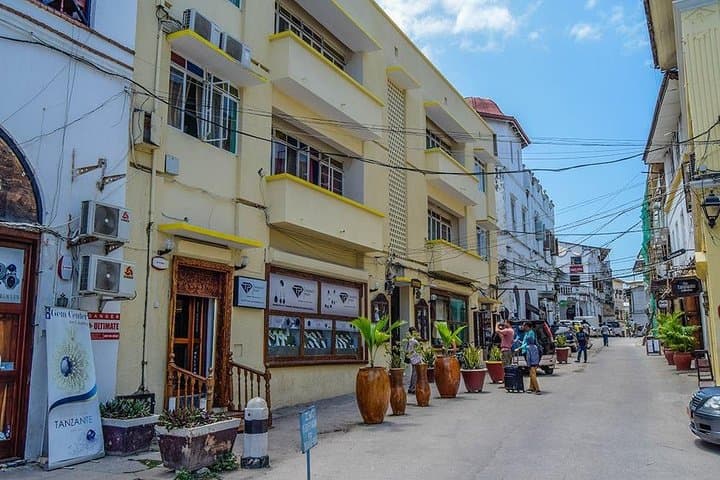
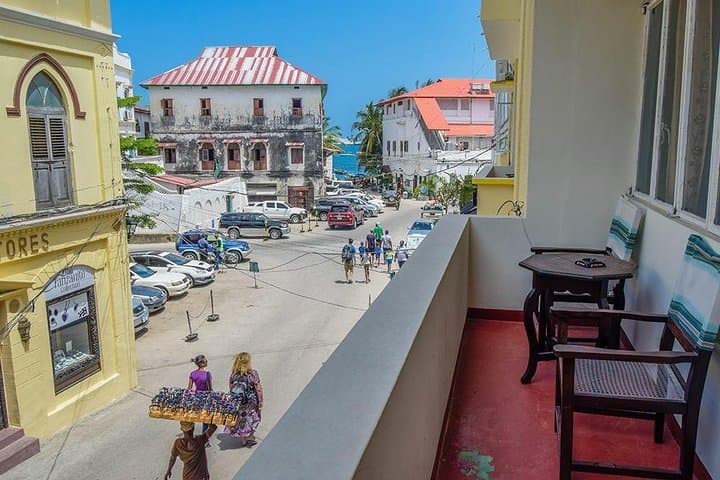

A narrow lane opens onto sunlight and the smell of spices: the Old Fort stands to one side, a worn coral-stone wall holding centuries of arrivals and departures. On this three-hour Stone Town walking tour, the city’s carved doors and dhow-shadowed waterfront become a readable map—each alley a paragraph in Zanzibar’s layered story.
A narrow lane opens onto sunlight and the smell of spices: the Old Fort stands to one side, a worn coral-stone wall holding centuries of arrivals and departures. On this three-hour Stone Town walking tour, the city’s carved doors and dhow-shadowed waterfront become a readable map—each alley a paragraph in Zanzibar’s layered story.
Stone Town grew where Indian Ocean currents met Swahili mariners, Omani sultans and European traders. The tour moves from the Old Fort past the House of Wonders façade to the Anglican Cathedral and the Slave Chambers, where museum exhibits and memorials outline the island’s role in the Indian Ocean slave trade. The Darajani Market is a living counterpoint—fish vendors, spice stalls and the crisscross of daily commerce showing how culture and cuisine evolved here.
Geology is visible in building materials: coralline limestone and mangrove timber shaped by tides and trade. Local artisans still use hand tools to cut intricate doors; Arabic, African and Indian influences meet in language, food and music.
Practical notes: wear sturdy walking shoes for uneven cobbles, carry water and modest clothing for entering cultural sites. The route is compact but busy—mid-morning or late afternoon avoids the hottest sun and the busiest market hours. Bring small bills for purchases and a camera with a respectful approach to photographing people. Guides are typically certified and provide context that transforms walls and alleys into a coherent narrative.
For travelers who want history without a long trek, this private, wheelchair-accessible stroll delivers concentrated insight into Zanzibar’s past and present.