THE ADVENTURE COLLECTIVE® · Independent discovery and booking for outdoor travel

Walk Stone Town’s labyrinthine streets and follow the scent of cloves to Tangawizi Spice Farm. This guided day tour pairs history—Old Dispensary and the former slave market—with a hands-on spice farm visit and a farm lunch.
Walk Stone Town’s labyrinthine streets and follow the scent of cloves to Tangawizi Spice Farm. This guided day tour pairs history—Old Dispensary and the former slave market—with a hands-on spice farm visit and a farm lunch.
You step off the ferry into a humid ribbon of sea-scented air and Stone Town pulls you into its lanes: coral-stone facades, carved wooden doors, and the tide of vendors calling out over the harbor. The walking tour threads through narrow alleys where the wind carries the sharp sweetness of cloves and the salt-bright cry of the ocean; your guide points out a battered plaque, an old Omani doorway, a rooftop that opens to a blue horizon.
Verified experiences and guided adventures in the surrounding area.
Operated by Saving Tour · Stone Town, Zanzibar
You step off the ferry into a humid ribbon of sea-scented air and Stone Town pulls you into its lanes: coral-stone facades, carved wooden doors, and the tide of vendors calling out over the harbor. The walking tour threads through narrow alleys where the wind carries the sharp sweetness of cloves and the salt-bright cry of the ocean; your guide points out a battered plaque, an old Omani doorway, a rooftop that opens to a blue horizon.
Stone Town is a living archive of trade—Omani sultans, Persian traders, Indian merchants and European colonizers left layers of architecture and customs. The former slave market and the Old Dispensary frame difficult chapters of history alongside resilient craft traditions: dhow builders at the waterfront and metalworkers hammering brass. Geologically, the town sits on an ancient coral reef uplifted and cut into blocks; that coral gives the streets their porous texture and the shoreline its shallow lagoons.
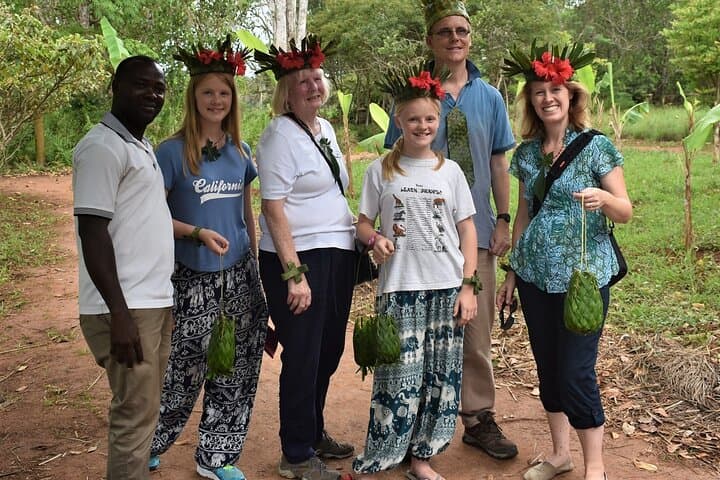
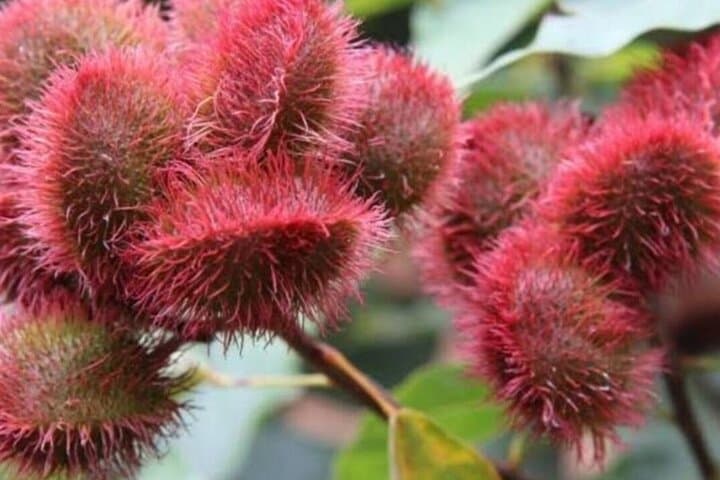
At Tangawizi Spice Farm, plants behave like storytellers: cinnamon ropes the air, clove buds puncture the heat, and the vanilla vine hangs like a slow-writing script. The farm demonstrates spices’ uses in medicine, cooking, and cosmetics, and the farm lunch makes the flavors immediate.
Practical guidance: wear breathable closed-toe shoes for uneven cobbles, carry sun protection and a filled water bottle, and plan for five hours including transport. Mornings are cooler and less crowded; ask your guide about respectful photography around religious sites. Bring small bills for markets and tip drivers and guides. This day tour balances history and hands-on flavor—expect steady walking, cultural context, and a strong appetite for spice.
easy.
5 hours.
Suitable for most fitness levels; involves several hours of walking on uneven ground and short, easily managed climbs.
The tour runs about five hours and typically includes guided Stone Town walking, transport, entry to the spice farm, bottled water, and a farm lunch.
The walk is classified as easy but involves uneven cobblestones and several hours on foot; take frequent breaks and notify the guide of mobility needs.
Yes—most spice farms allow touching, smelling, and tasting of spices and tropical fruit, plus demonstrations of local uses in cooking and medicine.
Travelers should check Tanzania entry requirements and routine vaccinations; yellow fever and malaria precautions may be recommended—consult your doctor prior to travel.
Stone Town grew as a Swahili trading hub shaped by Arab, Persian, Indian and European influences; its narrow lanes reflect centuries of maritime commerce, including the spice and slave trades.
Tourism and agriculture pressure local reefs and forests; support certified spice farms and choose guides who prioritize reef-safe practices and community benefit.
Saving Tour operates guided outdoor trips and adventures with an emphasis on safety, stewardship, and memorable experiences.

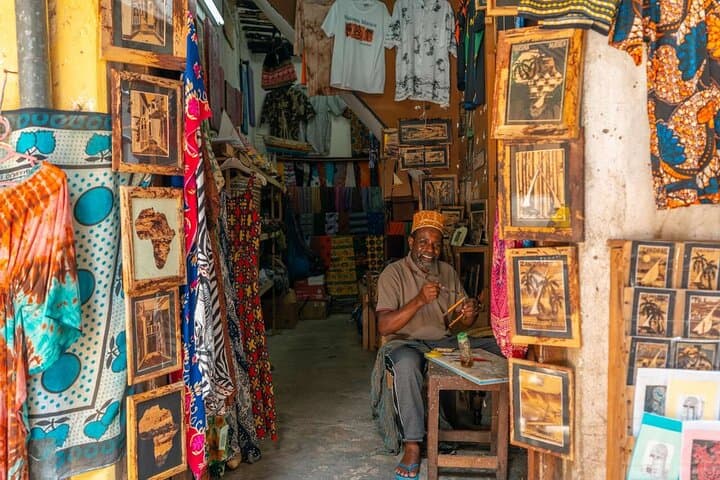
You step off the ferry into a humid ribbon of sea-scented air and Stone Town pulls you into its lanes: coral-stone facades, carved wooden doors, and the tide of vendors calling out over the harbor. The walking tour threads through narrow alleys where the wind carries the sharp sweetness of cloves and the salt-bright cry of the ocean; your guide points out a battered plaque, an old Omani doorway, a rooftop that opens to a blue horizon.
You step off the ferry into a humid ribbon of sea-scented air and Stone Town pulls you into its lanes: coral-stone facades, carved wooden doors, and the tide of vendors calling out over the harbor. The walking tour threads through narrow alleys where the wind carries the sharp sweetness of cloves and the salt-bright cry of the ocean; your guide points out a battered plaque, an old Omani doorway, a rooftop that opens to a blue horizon.
Stone Town is a living archive of trade—Omani sultans, Persian traders, Indian merchants and European colonizers left layers of architecture and customs. The former slave market and the Old Dispensary frame difficult chapters of history alongside resilient craft traditions: dhow builders at the waterfront and metalworkers hammering brass. Geologically, the town sits on an ancient coral reef uplifted and cut into blocks; that coral gives the streets their porous texture and the shoreline its shallow lagoons.
At Tangawizi Spice Farm, plants behave like storytellers: cinnamon ropes the air, clove buds puncture the heat, and the vanilla vine hangs like a slow-writing script. The farm demonstrates spices’ uses in medicine, cooking, and cosmetics, and the farm lunch makes the flavors immediate.
Practical guidance: wear breathable closed-toe shoes for uneven cobbles, carry sun protection and a filled water bottle, and plan for five hours including transport. Mornings are cooler and less crowded; ask your guide about respectful photography around religious sites. Bring small bills for markets and tip drivers and guides. This day tour balances history and hands-on flavor—expect steady walking, cultural context, and a strong appetite for spice.