THE ADVENTURE COLLECTIVE® · Independent discovery and booking for outdoor travel

Walk Stone Towns alleys with a private guide—visit Freddie Mercury House, Old Fort, Darajani Bazaar, and the Old Slave Market on a 2–3 hour cultural tour. Expect cobbled streets, market aromas, and local history woven into every doorway.
Walk Stone Towns alleys with a private guide—visit Freddie Mercury House, Old Fort, Darajani Bazaar, and the Old Slave Market on a 2–3 hour cultural tour. Expect cobbled streets, market aromas, and local history woven into every doorway.
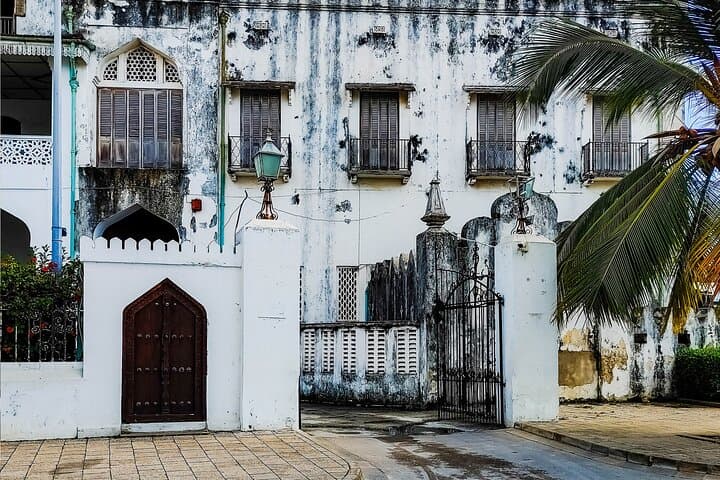
You step from the heat of the main road into a labyrinth of narrow alleys where sunlight slices between coral-stone walls and the smell of cloves rides the sea breeze. Vendors call from shaded doorways, carved wooden doors watch like old guardians, and the Indian Ocean tugs at the edge of the town, reminding you this is an island shaped by trade and tides.
Verified experiences and guided adventures in the surrounding area.
Operated by Manji Tours & Safaris · Stone Town, Zanzibar
You step from the heat of the main road into a labyrinth of narrow alleys where sunlight slices between coral-stone walls and the smell of cloves rides the sea breeze. Vendors call from shaded doorways, carved wooden doors watch like old guardians, and the Indian Ocean tugs at the edge of the town, reminding you this is an island shaped by trade and tides.
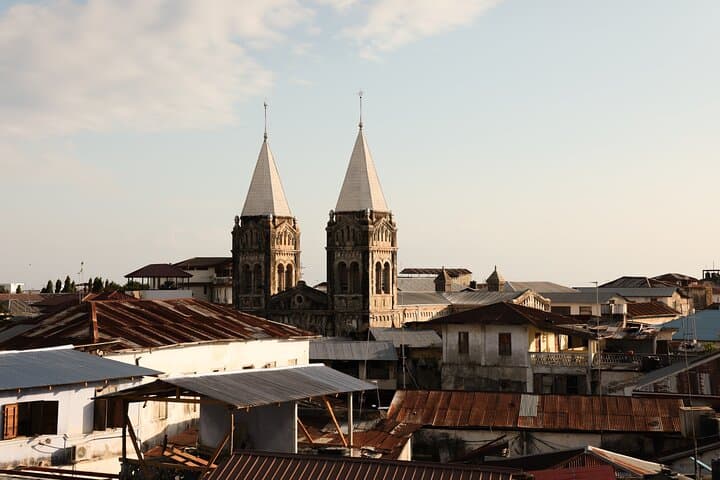
Stone Town grew where coral rag meets sea. Its skyline—minarets, tin roofs, and Arab-style balconies—tells a history of Omani sultans, Swahili merchants, and the spice trade that once routed through these docks. The tour threads past the Freddie Mercury House, the brooding Old Fort, the poignant Old Slave Market site, and the bustling Darajani Bazaar where cardamom and cloves perfume the air. Tippu Tip's house and the People's Palace hint at a complicated colonial and commercial past that shaped Zanzibar's culture and architecture.
Expect three hours of mostly flat walking on uneven cobbles and occasional steps; alleyways can narrow and crowds are common at market stalls. Guides point out carved doors, colonial facades, and the stories behind them; bring small local currency for samples and tips. The Mercury Museum usually charges admission, and evening visits to Forodhani Gardens reward you with grilled seafood and sugarcane juice.
Practical note: mornings or late afternoons are best to avoid high sun and midday crowds. Wear closed-toe shoes with good tread, carry water, and be ready to move slowly through tight spaces. The tour is intimate, private, and paced for curious travelers who want context as much as scenery.
moderate.
2–3 hours.
Moderate fitness for walking on uneven cobblestones and standing during market stops
The private tour runs approximately 2–3 hours depending on pace and group interests.
Admission to the Freddie Mercury Museum is not included in the base tour price; expect a small fee paid on site.
Children can join, but infants should sit on laps and travelers with spinal, cardiovascular, or pregnancy concerns should avoid strenuous walking.
Yes, private tours are flexible—ask your guide to focus more on markets, history, or specific monuments when booking.
Stone Town was a crossroads of Indian Ocean trade, heavily influenced by Omani rule and the spice and slave trades that shaped its economy and architecture.
Visitors are encouraged to use reusable bottles and avoid single-use plastics; many historic buildings are fragile so follow paths and avoid touching delicate wooden doors.
Manji Tours & Safaris operates guided outdoor trips and adventures with an emphasis on safety, stewardship, and memorable experiences.
You step from the heat of the main road into a labyrinth of narrow alleys where sunlight slices between coral-stone walls and the smell of cloves rides the sea breeze. Vendors call from shaded doorways, carved wooden doors watch like old guardians, and the Indian Ocean tugs at the edge of the town, reminding you this is an island shaped by trade and tides.
You step from the heat of the main road into a labyrinth of narrow alleys where sunlight slices between coral-stone walls and the smell of cloves rides the sea breeze. Vendors call from shaded doorways, carved wooden doors watch like old guardians, and the Indian Ocean tugs at the edge of the town, reminding you this is an island shaped by trade and tides.
Stone Town grew where coral rag meets sea. Its skyline—minarets, tin roofs, and Arab-style balconies—tells a history of Omani sultans, Swahili merchants, and the spice trade that once routed through these docks. The tour threads past the Freddie Mercury House, the brooding Old Fort, the poignant Old Slave Market site, and the bustling Darajani Bazaar where cardamom and cloves perfume the air. Tippu Tip's house and the People's Palace hint at a complicated colonial and commercial past that shaped Zanzibar's culture and architecture.
Expect three hours of mostly flat walking on uneven cobbles and occasional steps; alleyways can narrow and crowds are common at market stalls. Guides point out carved doors, colonial facades, and the stories behind them; bring small local currency for samples and tips. The Mercury Museum usually charges admission, and evening visits to Forodhani Gardens reward you with grilled seafood and sugarcane juice.
Practical note: mornings or late afternoons are best to avoid high sun and midday crowds. Wear closed-toe shoes with good tread, carry water, and be ready to move slowly through tight spaces. The tour is intimate, private, and paced for curious travelers who want context as much as scenery.