THE ADVENTURE COLLECTIVE® · Independent discovery and booking for outdoor travel

Explore Stone Town’s historic lanes, ride a short boat to Prison Island to meet century-old tortoises, then smell and taste your way through a working spice farm. This full-day tour mixes cultural history, shallow reef snorkeling, and hands-on farm visits in one compact itinerary.
Explore Stone Town’s historic lanes, ride a short boat to Prison Island to meet century-old tortoises, then smell and taste your way through a working spice farm. This full-day tour mixes cultural history, shallow reef snorkeling, and hands-on farm visits in one compact itinerary.
The day begins where coral-stone alleys open onto the harbor: Stone Town’s carved doors glint in a humid sun as a motorized boat waits to cut across turquoise shallows to Prison Island.
Verified experiences and guided adventures in the surrounding area.
Operated by KHAMIS TAXI DRIVER ZANZIBAR · Stone Town (Zanzibar City), Zanzibar
The day begins where coral-stone alleys open onto the harbor: Stone Town’s carved doors glint in a humid sun as a motorized boat waits to cut across turquoise shallows to Prison Island.
Visitors move from the compact lanes of Unguja’s historic capital — the Darajani market’s spice stalls and Forodhani’s grill smoke — to open water where reef flats dare swimmers and snorkelers to explore a riot of tropical fish.
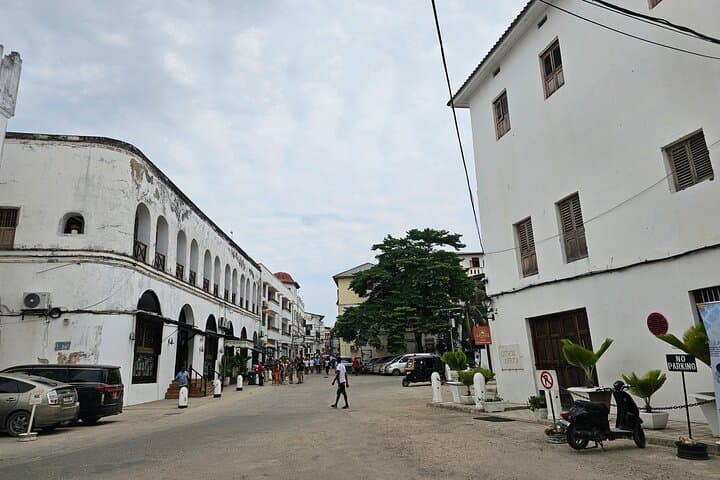
Stone Town’s streets tell layered stories: Omani sultans built the trading port, Swahili culture fused African, Arab and Indian influences, and clove and cinnamon plantations shaped local livelihoods for centuries. Geologically the islands are raised coral and sand — the shoreline’s white beaches and shallow reefs are biologically rich and fragile.
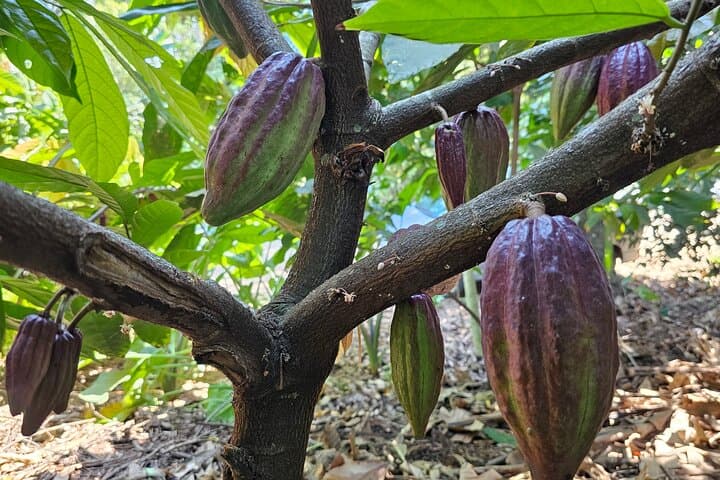
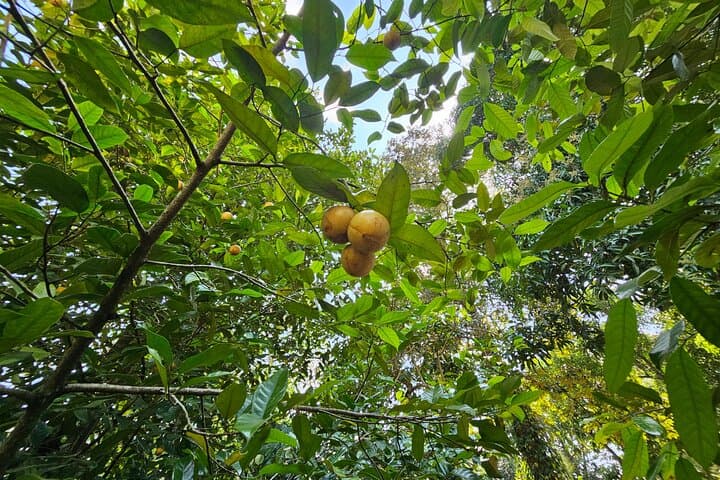
On Prison Island (Changuu), centuries-old quarantine ruins stand beside a grove where Aldabra giant tortoises amble at their own slow pace — an easy wildlife encounter rather than a safari. Inland, Tangawizi spice farms in Kijichi offer hands-on demonstrations: chew a clove, crush cardamom, taste fresh cassava leaves, and learn how these crops fueled Zanzibar’s global role.
Practical notes: the full-day itinerary runs roughly eight hours with short boat hops (20–30 minutes each), moderate walking on uneven stone and sandy trails, and optional snorkeling. Bring reef-safe sunscreen, a hat, a reusable water bottle, and small bills for purchases. Respect local dress in Stone Town (shoulders covered) and allow extra time for slow market browsing — the tour is as much about flavor and history as it is about coastal scenery.
easy.
8 hours.
Light fitness; must be able to board a small boat and walk on uneven cobbles and sandy trails for short periods.
The motorized boat ride from Stone Town to Prison Island typically takes about 20–30 minutes depending on sea conditions.
Some operators provide basic snorkel gear but bringing a personal mask improves fit—confirm with your tour provider before departure.
This tour includes bottled water and all fees and taxes; meals are not always included so check the tour details or bring snacks and cash for local food.
The tour is generally family-friendly and marked wheelchair accessible, but there is some boarding onto boats and walking on sand and stone—notify the operator of special needs when booking.
Stone Town served as the commercial and administrative center of the Omani Sultanate and played a major role in Indian Ocean trade, especially cloves and spices.
Reef and mangrove habitats are sensitive—use reef-safe sunscreen, avoid touching coral, and support local guides who practice low-impact tourism.
KHAMIS TAXI DRIVER ZANZIBAR operates guided outdoor trips and adventures with an emphasis on safety, stewardship, and memorable experiences.
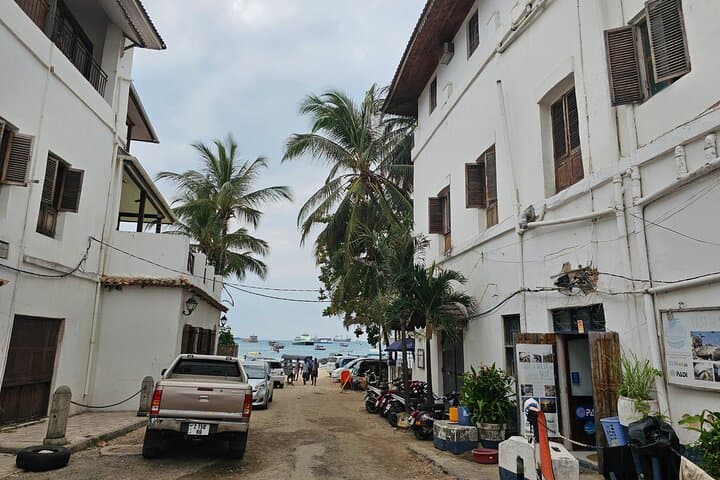
The day begins where coral-stone alleys open onto the harbor: Stone Town’s carved doors glint in a humid sun as a motorized boat waits to cut across turquoise shallows to Prison Island.
The day begins where coral-stone alleys open onto the harbor: Stone Town’s carved doors glint in a humid sun as a motorized boat waits to cut across turquoise shallows to Prison Island.
Visitors move from the compact lanes of Unguja’s historic capital — the Darajani market’s spice stalls and Forodhani’s grill smoke — to open water where reef flats dare swimmers and snorkelers to explore a riot of tropical fish.
Stone Town’s streets tell layered stories: Omani sultans built the trading port, Swahili culture fused African, Arab and Indian influences, and clove and cinnamon plantations shaped local livelihoods for centuries. Geologically the islands are raised coral and sand — the shoreline’s white beaches and shallow reefs are biologically rich and fragile.
On Prison Island (Changuu), centuries-old quarantine ruins stand beside a grove where Aldabra giant tortoises amble at their own slow pace — an easy wildlife encounter rather than a safari. Inland, Tangawizi spice farms in Kijichi offer hands-on demonstrations: chew a clove, crush cardamom, taste fresh cassava leaves, and learn how these crops fueled Zanzibar’s global role.
Practical notes: the full-day itinerary runs roughly eight hours with short boat hops (20–30 minutes each), moderate walking on uneven stone and sandy trails, and optional snorkeling. Bring reef-safe sunscreen, a hat, a reusable water bottle, and small bills for purchases. Respect local dress in Stone Town (shoulders covered) and allow extra time for slow market browsing — the tour is as much about flavor and history as it is about coastal scenery.