THE ADVENTURE COLLECTIVE® · Independent discovery and booking for outdoor travel

Explore Stone Town’s historic alleys and take a private boat to Prison Island to meet Aldabra tortoises and snorkel reef edges. This 5–6 hour private tour mixes cultural history with light coastal wildlife viewing.
Explore Stone Town’s historic alleys and take a private boat to Prison Island to meet Aldabra tortoises and snorkel reef edges. This 5–6 hour private tour mixes cultural history with light coastal wildlife viewing.
You step off the dhow into a web of narrow lanes where spices, laundry lines and the sea-salted air shape the city’s rhythm. Stone Town’s coral-stone facades loom above you; wood-carved balconies crowd a skyline that has watched traders, sultans and sailors for centuries.
Verified experiences and guided adventures in the surrounding area.
Operated by Lazuli Tours · Stone Town, Zanzibar Urban/West
You step off the dhow into a web of narrow lanes where spices, laundry lines and the sea-salted air shape the city’s rhythm. Stone Town’s coral-stone facades loom above you; wood-carved balconies crowd a skyline that has watched traders, sultans and sailors for centuries.
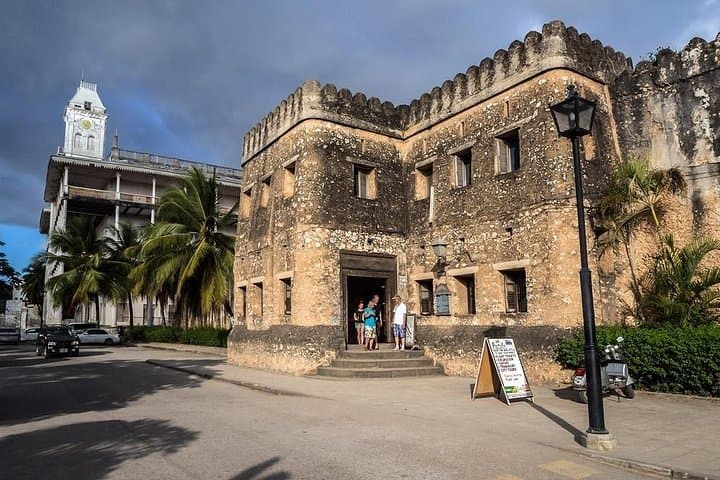
The morning typically begins with a guided walk through Stone Town’s historic core — the Old Fort, House of Wonders and the Anglican Cathedral — sites that map Swahili, Omani and European layers of influence. The limestone and coral that make the town’s buildings are local geology turned into architecture, sunbaked and worn into graceful arches. A short private boat ride then takes you to Prison Island (Changuu), where shell-white beaches, ruined colonial structures and a troop of Aldabra giant tortoises share a small, wind-scoured landscape.
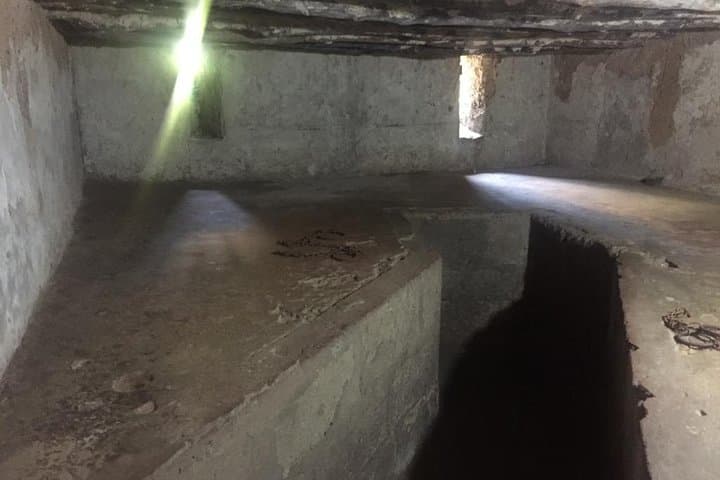
Culturally, the day balances solemn history — the former slave chambers and trading stories — with lighter moments: local markets, street-side chai and watching fishermen haul nets. Geology and ocean meet at the tide line; reef flats frame the island and invite quick snorkel looks at reef fish.
Practical notes: this is a full 5–6 hour outing with easy walking on uneven stone and sandy paths. Bring sun protection and modest clothing for religious and local sites, wear sturdy walking shoes and consider reef shoes for island edges. Cash is useful for optional entrance fees, souvenirs, or a waterfront lunch in Stone Town.
Timings pair best with cooler mornings and late afternoons to avoid midday heat; bottled water is often provided, but carry a refill bottle. Treat wildlife respectfully — tortoises are a highlight, not props — and leave no trace on coral or beaches.
easy.
5–6 hours.
Light fitness; able to walk 2–4 miles total over uneven stone, sand and short stair sections
Not always; this tour includes private boat transport but island entry or conservation fees may be charged locally — bring small cash.
Yes; the tour is rated easy, but infants are required to sit on an adult’s lap on boats — confirm child policies when booking.
Most itineraries allow short snorkeling or beach time near the island; bring swimwear and reef shoes if you plan to enter the water.
Bottled water and transport are included, but lunches are typically not — plan to eat in Stone Town or bring snacks.
Stone Town grew as an East African trading hub under Omani sultans and later European influence; sites like the slave chambers and House of Wonders reflect layered histories.
Prison Island’s tortoise population is protected and reefs nearby are sensitive; use reef-safe sunscreen, avoid touching coral and support local conservation fees when asked.
Lazuli Tours operates guided outdoor trips and adventures with an emphasis on safety, stewardship, and memorable experiences.
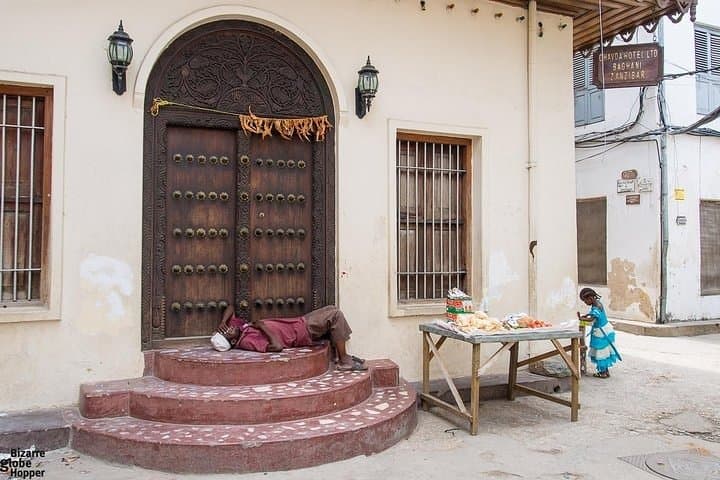

You step off the dhow into a web of narrow lanes where spices, laundry lines and the sea-salted air shape the city’s rhythm. Stone Town’s coral-stone facades loom above you; wood-carved balconies crowd a skyline that has watched traders, sultans and sailors for centuries.
You step off the dhow into a web of narrow lanes where spices, laundry lines and the sea-salted air shape the city’s rhythm. Stone Town’s coral-stone facades loom above you; wood-carved balconies crowd a skyline that has watched traders, sultans and sailors for centuries.
The morning typically begins with a guided walk through Stone Town’s historic core — the Old Fort, House of Wonders and the Anglican Cathedral — sites that map Swahili, Omani and European layers of influence. The limestone and coral that make the town’s buildings are local geology turned into architecture, sunbaked and worn into graceful arches. A short private boat ride then takes you to Prison Island (Changuu), where shell-white beaches, ruined colonial structures and a troop of Aldabra giant tortoises share a small, wind-scoured landscape.
Culturally, the day balances solemn history — the former slave chambers and trading stories — with lighter moments: local markets, street-side chai and watching fishermen haul nets. Geology and ocean meet at the tide line; reef flats frame the island and invite quick snorkel looks at reef fish.
Practical notes: this is a full 5–6 hour outing with easy walking on uneven stone and sandy paths. Bring sun protection and modest clothing for religious and local sites, wear sturdy walking shoes and consider reef shoes for island edges. Cash is useful for optional entrance fees, souvenirs, or a waterfront lunch in Stone Town.
Timings pair best with cooler mornings and late afternoons to avoid midday heat; bottled water is often provided, but carry a refill bottle. Treat wildlife respectfully — tortoises are a highlight, not props — and leave no trace on coral or beaches.