THE ADVENTURE COLLECTIVE® · Independent discovery and booking for outdoor travel

Walk Stone Town’s compact, storied streets and then head north to a working spice farm where cloves, cinnamon and pepper reveal Zanzibar’s trade history. Expect 6–7 hours of cultural sites, market life and hands-on spice demonstrations.
Walk Stone Town’s compact, storied streets and then head north to a working spice farm where cloves, cinnamon and pepper reveal Zanzibar’s trade history. Expect 6–7 hours of cultural sites, market life and hands-on spice demonstrations.
A morning in Stone Town begins with narrow alleys that unfold like pages from a merchant’s ledger — coral-stone walls hold the damp of the night while the sea air pushes through wooden doors. The guide moves with purpose: pointing out carved Omani doors, a scattering of colonial-era buildings, and the clock tower that marks the town’s layered past.
Verified experiences and guided adventures in the surrounding area.
Operated by Kassim kindness official tour guide · Stone Town, Zanzibar
A morning in Stone Town begins with narrow alleys that unfold like pages from a merchant’s ledger — coral-stone walls hold the damp of the night while the sea air pushes through wooden doors. The guide moves with purpose: pointing out carved Omani doors, a scattering of colonial-era buildings, and the clock tower that marks the town’s layered past.
Stone Town grew where the Indian Ocean met African trade routes. Omani sultans, Persian merchants and Swahili traders left architecture and customs concentrated in a compact old city. The House of Wonders and the Old Fort are physical chapters; the small plaque noting Freddie Mercury’s birthplace is a cultural aside that sparks conversation about migration and identity.
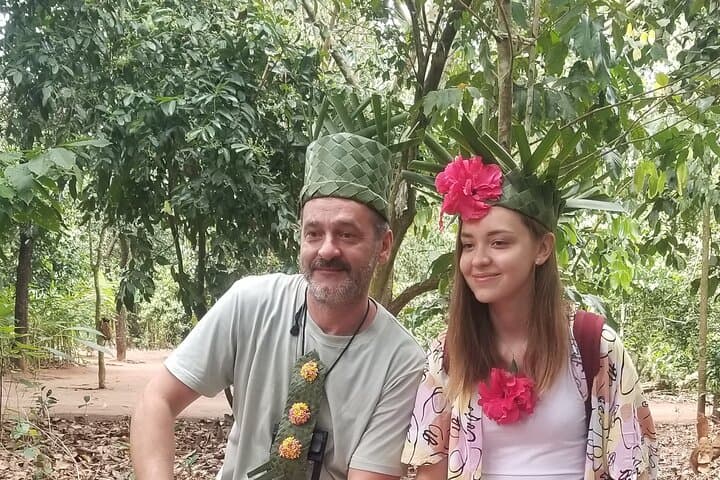
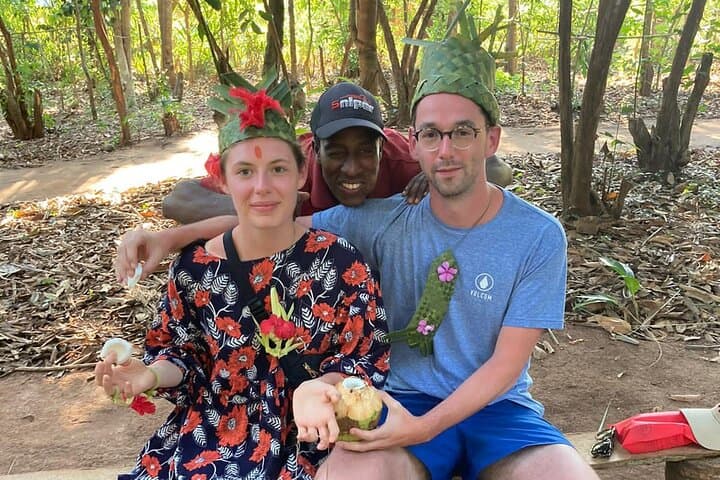
From the city you’ll travel north to a working spice farm where pepper vines, cinnamon bark and clove trees claim the air. Spices here are living geology and botany — roots, barks and leaves that tell how soil and tropical rain shape flavor. Local hosts demonstrate how spices are prepared in everyday cooking and offer tastings that connect sight, smell and taste to place.
Practical details: expect 6–7 hours total including transport, modest walking on uneven stone streets, and time outdoors at the farm with shade but tropical sun. Bring sunscreen, a refillable water bottle and a small amount of cash for market snacks or tips. Start early to avoid peak heat and to see Stone Town when vendors are setting up and the sea is still cool against the quay.
easy.
6–7 hours.
Suitable for most fitness levels; involves multiple short walks and standing periods
The full experience lasts about 6–7 hours, including transport between Stone Town and the spice farm.
Some historical sites are visited externally or with included admissions; check booking details for specific inclusions.
Guides typically note ingredients used in demonstrations; mention dietary needs at booking so hosts can adapt tastings where possible.
Yes — the pace is gentle and suitable for most ages, though mobility issues with cobblestones or long standing should be considered.
Stone Town was a major Swahili trading port influenced by Omani sultans and European colonial powers; its buildings reflect Arab, Persian and European periods tied to spice and slave trade routes.
Many coral-rag buildings are fragile; support guides who follow preservation rules and avoid contributing to single-use plastic waste at markets.
Kassim kindness official tour guide operates guided outdoor trips and adventures with an emphasis on safety, stewardship, and memorable experiences.


A morning in Stone Town begins with narrow alleys that unfold like pages from a merchant’s ledger — coral-stone walls hold the damp of the night while the sea air pushes through wooden doors. The guide moves with purpose: pointing out carved Omani doors, a scattering of colonial-era buildings, and the clock tower that marks the town’s layered past.
A morning in Stone Town begins with narrow alleys that unfold like pages from a merchant’s ledger — coral-stone walls hold the damp of the night while the sea air pushes through wooden doors. The guide moves with purpose: pointing out carved Omani doors, a scattering of colonial-era buildings, and the clock tower that marks the town’s layered past.
Stone Town grew where the Indian Ocean met African trade routes. Omani sultans, Persian merchants and Swahili traders left architecture and customs concentrated in a compact old city. The House of Wonders and the Old Fort are physical chapters; the small plaque noting Freddie Mercury’s birthplace is a cultural aside that sparks conversation about migration and identity.
From the city you’ll travel north to a working spice farm where pepper vines, cinnamon bark and clove trees claim the air. Spices here are living geology and botany — roots, barks and leaves that tell how soil and tropical rain shape flavor. Local hosts demonstrate how spices are prepared in everyday cooking and offer tastings that connect sight, smell and taste to place.
Practical details: expect 6–7 hours total including transport, modest walking on uneven stone streets, and time outdoors at the farm with shade but tropical sun. Bring sunscreen, a refillable water bottle and a small amount of cash for market snacks or tips. Start early to avoid peak heat and to see Stone Town when vendors are setting up and the sea is still cool against the quay.